

The Enduring Reign of Convenience
For decades, the Indian coffee experience was largely defined by speed and simplicity. Instant coffee, with its promise of a hot beverage in minutes, became a staple in kitchens nationwide. A Coffee Board study highlighted that instant coffee accounts
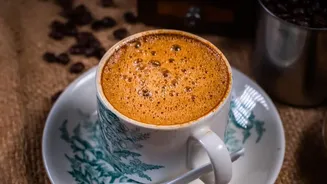
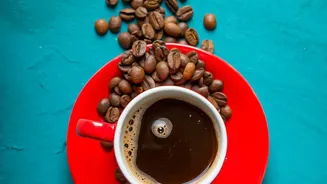
for about 65% of total consumption, a testament to its deep-rooted appeal. This preference is built on affordability and hassle-free preparation. In a country with fast-paced urban lifestyles, the ability to make a consistent cup without any special equipment is a powerful advantage. This segment is not just surviving; it's thriving. The Indian instant coffee market is projected to grow steadily, reaching an estimated USD 800.8 million by 2034. The rise of sachet packaging has pushed it further into mass-market territory, making it accessible to all. For many, coffee is a functional beverage, a caffeine-delivery system to start the day, and in this role, convenience is king.
The Aspirational Rise of Craft
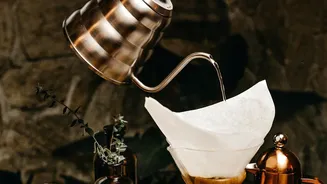
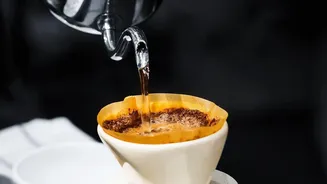
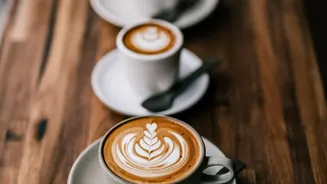
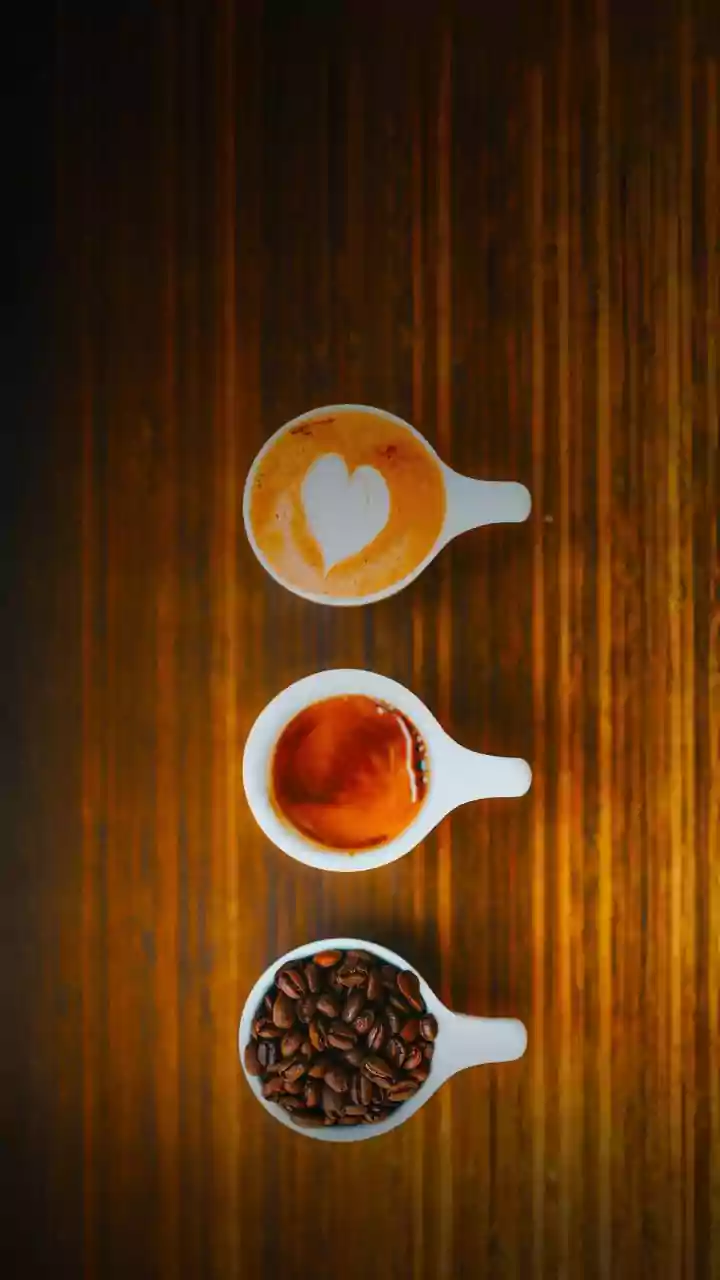
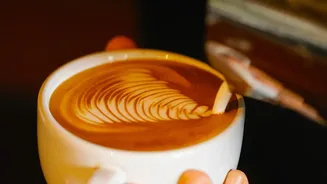
On the other side of the spectrum is the 'third wave' coffee movement, a global trend that has firmly taken root in India. This movement treats coffee as an artisanal product, like fine wine, with an emphasis on origin, processing methods, and flavour notes. The Indian specialty coffee market, valued at over USD 3 billion in 2025, is forecast to more than double by 2031. This explosive growth is driven by a new generation of consumers who see coffee as an experience, not just a product. They are curious about the journey from bean to cup, from the estates in Coorg and Chikmagalur to the local roastery. Café chains like Third Wave Coffee and Blue Tokai have been instrumental, expanding rapidly across metros and even Tier-II cities, educating palates and introducing terms like 'pour-over' and 'single-origin' to a wider audience. This isn't just about drinking coffee; it's about appreciating the craft.
A Ritual in the Kitchen: The Home Brewing Boom
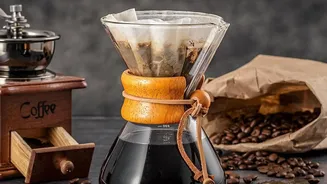
The divide between convenience and craft is beginning to blur, largely within our own homes. The recent boom in home brewing is perhaps the most significant shift in India's coffee culture. Consumers who discover a taste for specialty coffee in cafes are increasingly looking to replicate that experience at home. This has fueled a market for everything from French presses and AeroPresses to burr grinders and gooseneck kettles. Direct-to-consumer (D2C) brands like Sleepy Owl and Rage Coffee have made high-quality, freshly roasted beans more accessible than ever through online platforms. This trend signifies a deeper engagement with the beverage. It's about personalising the experience, finding the perfect grind size, and mastering a brewing technique. The home has become a coffee laboratory, a space where individuals can find their own perfect balance between the ritual of craft and the comfort of home.
It's All Down to Personal Taste
Ultimately, the choice between a quick instant coffee and a meticulously brewed pour-over is not a judgment on quality but a reflection of personal context. One person might need a fast, functional cup on a busy weekday morning, and then spend a leisurely Sunday afternoon perfecting their French press technique. The 'divide' is less of a conflict and more of a spectrum of options. Coffee consumption has become part of a lifestyle statement for many, especially younger consumers. The choice can be about time, budget, mood, or simply the desire for a particular flavour profile. The modern Indian coffee market celebrates this diversity. Whether it's a sachet of instant coffee, a pod machine, a bag of artisanal beans, or a ready-to-drink cold brew, the expanding landscape ensures there is a coffee for every taste and every moment.