




The Science of a Simple Soak
Soaking urad dal is about much more than just softening it for the grinder. It’s a transformative process. Firstly, it rehydrates the lentils, making them swell and soften for a smooth, lump-free batter. Secondly, it kicks off crucial biological processes.
Soaking helps to break down compounds like phytic acid and oligosaccharides, which are naturally present in lentils. These 'anti-nutrients' can interfere with mineral absorption and are often responsible for causing gas and bloating. By soaking the dal and discarding the water, you make the final dish easier to digest and its nutrients more available to your body. Finally, soaking encourages the growth of beneficial lactic acid bacteria on the surface of the dal, which is essential for the fermentation process that gives idli and dosa batter its characteristic tangy flavour and airy texture.
Finding the Sweet Spot: Ideal Soaking Times
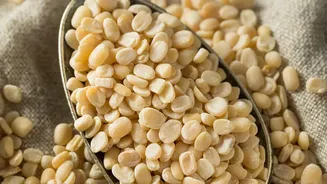
The ideal soaking time for urad dal is a topic of much debate in Indian kitchens, but most experts and traditional recipes agree on a window of 4 to 8 hours. For split urad dal, which is most commonly used for idli and dosa, a 4-to-6-hour soak is generally sufficient. This duration provides the perfect balance, allowing the dal to hydrate fully and kick-start fermentation without going too far. Whole urad dal, with its black skin intact, is denser and benefits from a longer soak, typically 6 to 8 hours or even overnight. The climate also plays a role; in hotter, more humid weather, soaking time can be reduced, while in colder climates, a longer soak is often necessary to achieve the same results. The test of a perfectly soaked dal is simple: press a grain between your thumb and forefinger. It should crush easily without any hard resistance in the center.
The Problem with Under-Soaking
Being impatient and cutting the soaking time short can have noticeable consequences on your final dish. If urad dal is not soaked long enough, it won’t absorb enough water. This makes it incredibly difficult to grind into a smooth, fine paste, often resulting in a gritty or coarse batter. This gritty texture will carry through to the cooked product, leading to hard idlis and dosas that lack that desirable melt-in-the-mouth quality. Furthermore, an under-soaked dal means the fermentation process gets a poor start. The batter won't aerate properly, resulting in flat, dense idlis and dosas that fail to rise and become crisp. Essentially, you miss out on the fluffy, airy magic that a well-prepared batter provides.
When Good Dal Goes Bad: The Dangers of Over-Soaking
While it might seem that longer is always better, it is possible to over-soak urad dal. If left for too long, especially at room temperature (beyond 10-12 hours), the dal can begin to over-ferment. You might notice a distinctly sour or even slightly alcoholic smell, and the soaking water may appear bubbly or frothy. This is a sign that unwanted bacteria have taken over. Grinding this over-soaked dal will often yield a sticky, slimy batter that is difficult to work with. The resulting dishes may have an unpleasantly sour taste and a dense, flat texture. The natural structure of the dal begins to break down too much, affecting its ability to create a stable, airy foam when ground. For food safety, if the dal has a strong, unpleasant smell after soaking at room temperature for an extended period, it's best to discard it.
Tips for Perfect Preparation
To get the best results every time, follow a few simple guidelines. Always rinse the urad dal thoroughly in a few changes of water before soaking to remove any dust or impurities. For grinding, especially in a mixer-grinder which can generate heat, using ice-cold water can help keep the batter cool. This prevents the grinder from heating up and damaging the delicate proteins in the dal, which are essential for a fluffy texture. Many recipes also call for soaking rice and dal separately, as they have different grinding requirements. Urad dal needs to be ground into a very smooth, fluffy, and voluminous paste to incorporate air, while rice is often ground to a slightly coarser texture. Combining them only after they are individually ground ensures the perfect final batter consistency.