






The Sound of Sunday Silence
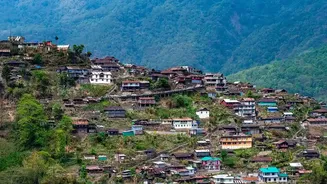
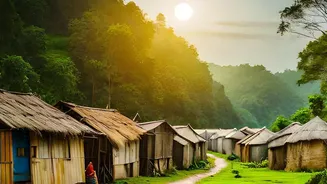
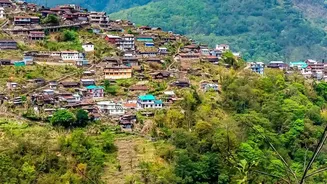
For six days a week, Mawlynnong is a bustling hub of eco-tourism. Visitors stroll down its spotless lanes, admiring the bamboo dustbins and manicured flower beds that earned the village its famous title in 2003. Tourists flock to see the living root bridges
and climb the bamboo Sky View platform for panoramic views. But since January 2026, a different atmosphere descends on Sunday. The main gate is closed, and the usual hum of tourist activity is replaced by a quiet calm. This change was a deliberate choice made by the Dorbar Shnong, the traditional village council, to reclaim the day for the community.
A Deliberate Decision for Faith and Family
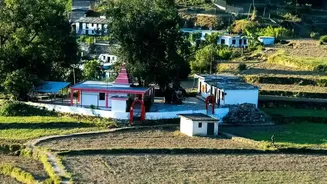
The decision to ban day-trippers was not made lightly in a village where tourism has become a key part of the economy. For years, the community had discussed the growing pressure of managing a constant flow of visitors, which on a peak Saturday can reach up to 1,000 people in a village of just over 100 households. For the predominantly Christian residents, Sundays are a sacred day for church services, family gatherings, and rest. The influx of tourists often disrupted this rhythm. The council's decision ensures that villagers can attend church without interruption and that the day is preserved for community life, away from the demands of tourism.
Beyond Just Being Clean
Mawlynnong’s fame is built on a collective commitment to cleanliness that is deeply ingrained in the Khasi culture and passed down through generations. This new rule reflects that same community-driven spirit. It’s a statement that the village’s identity is more than just its award-winning sanitation. It’s about preserving a way of life. The Sunday closure is not seen as an anti-tourist measure, but a pro-community one. Officials have noted that it also prevents inconvenience for visitors who would arrive to find most shops and restaurants closed anyway. Tourists staying overnight in the village's homestays are still welcome, placing the focus on more immersive, less fleeting forms of travel.
A Sustainable Model for Overtourism
While turning away a full day of tourist revenue seems counterintuitive, Mawlynnong is playing the long game. The village is providing a powerful example of sustainable tourism management. By prioritizing the well-being of its residents, the community protects the very authenticity and tranquility that attract visitors in the first place. The move has been praised as a model for other tourism hotspots in India and around the world that are grappling with the negative impacts of overtourism, such as noise pollution and strain on local resources. It demonstrates that it is possible for a community to take control of its own narrative and set boundaries that ensure tourism remains a benefit, not a burden.