







What are Bioflex and E85?
At its core, a Bioflex or Flex-Fuel Vehicle (FFV) is a car with a modified internal combustion engine designed to run on more than one type of fuel. In India, this primarily means vehicles that can run on standard petrol as well as higher blends of ethanol.
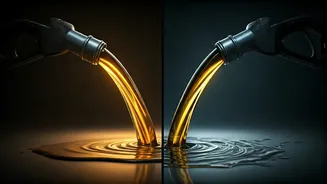
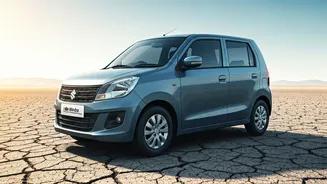
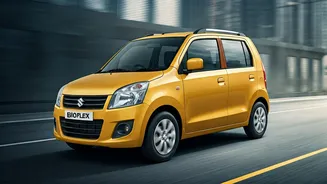
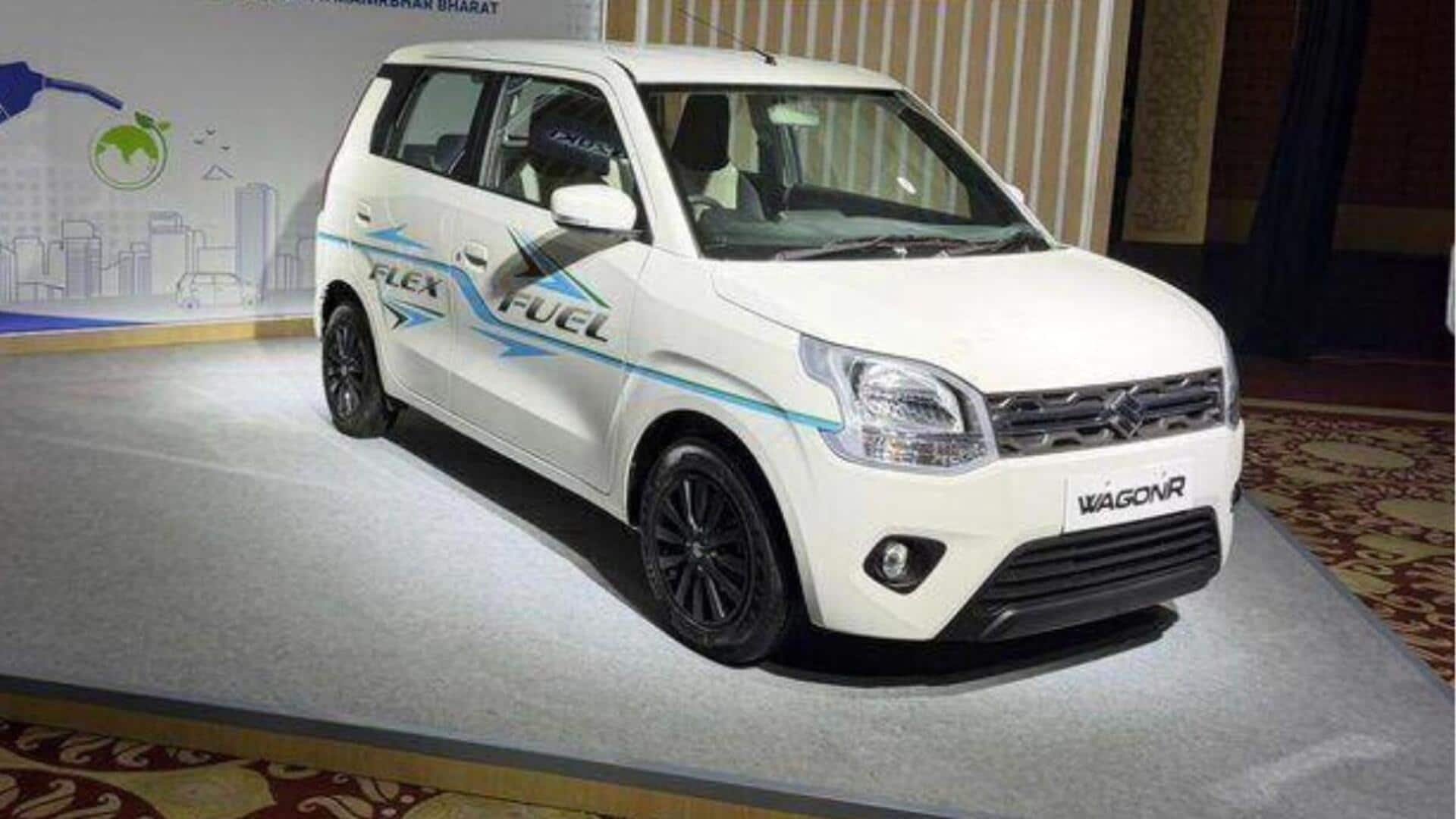
The fuel at the heart of this discussion is E85, a mixture of up to 85% ethanol and 15% petrol. The Indian government is promoting this technology with ambitious goals: to reduce the nation's hefty oil import bill, lower carbon emissions, and provide a boost to the agricultural sector, particularly sugarcane farmers who are the primary producers of ethanol. Automakers like Maruti Suzuki and Toyota have already showcased FFV prototypes, with some models, like the Maruti Wagon R Bioflex, recently launched for commercial buyers.
The Fuel Economy Problem
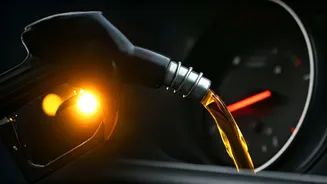
The main concern for consumers revolves around fuel economy, or 'mileage'. The science is straightforward: ethanol has a lower energy density than petrol. Specifically, it contains about 25-30% less energy per litre. This means that for every litre of fuel burned, an engine running on E85 will produce less power, and the vehicle will travel a shorter distance compared to when it runs on petrol. Real-world tests and estimates from various sources suggest that drivers can expect a drop in fuel efficiency of anywhere from 20% to over 40% when using E85. This drop is not a sign of a faulty engine; it's an inherent property of the fuel itself. So, while the car is capable of running on E85, your trips to the fuel station will become more frequent.
The Critical Cost-per-Kilometre Calculation
The sticker price of E85 at the pump is undeniably attractive. In a recent launch in Delhi, E85 was priced at around ₹82 per litre, a full ₹20 cheaper than the prevailing ₹102 per litre for regular E20 petrol. A 20% discount seems like a great deal, but it doesn't tell the whole story. The true measure of fuel cost is not the price per litre, but the cost per kilometre. A recent test on a flex-fuel motorcycle found that while E85 was cheaper to buy, the running cost was higher—about ₹2.82 per kilometre on E85 compared to ₹2.00 per kilometre on petrol, due to a significant 43% drop in mileage. Experts and market watchers in Brazil, a country with a mature flex-fuel market, follow a general '70 percent rule': ethanol is only cost-effective if its price is 70% or less than that of petrol. At its current pricing in India, E85 is about 80% of the petrol price, meaning the running costs could end up being higher despite the lower pump price.
Infrastructure and Availability Hurdles
Beyond the cost mathematics, there is a classic chicken-and-egg problem. Why would consumers buy a Bioflex car if E85 fuel is not widely available? And why would fuel companies invest in stocking E85 if there are very few cars to use it? Currently, E85 availability is extremely limited, with a handful of outlets in cities like Delhi and parts of Maharashtra. While the government has ambitious plans to expand this network to around 5,000 stations by 2027, this is a significant undertaking. For now, the lack of widespread infrastructure remains a major barrier to adoption, limiting the appeal of FFVs to those who live and drive within the few areas where the fuel is sold.
The Bigger Picture for India
Despite the challenges for individual consumers, the national strategy behind promoting Bioflex vehicles is compelling. India imports over 85% of its crude oil, making its economy vulnerable to volatile global prices and geopolitical events. Shifting a portion of its transport fuel needs to domestically produced ethanol enhances energy security and saves valuable foreign exchange. Furthermore, it supports the rural economy and aligns with India's climate goals to reduce greenhouse gas emissions. For automakers, developing FFVs allows them to adapt existing manufacturing infrastructure rather than making a complete and costly switch to entirely new technologies like electric vehicles. However, this transition isn't free; estimates suggest the auto industry may need to invest up to ₹50,000 crore in engineering, testing, and manufacturing upgrades.