








An Astonishing Sales Revival
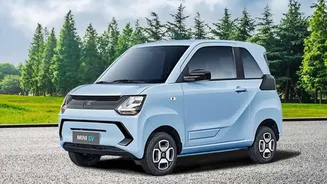
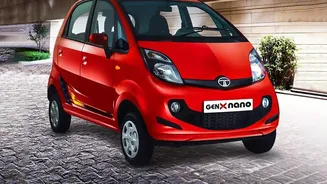
On the surface, the numbers are stunning. After a prolonged slump, Maruti Suzuki's mini-car segment, which includes the iconic Alto and the micro-SUV styled S-Presso, has seen a remarkable comeback. In April 2026, combined sales for these models jumped
by a massive 154% compared to the previous year, with 16,066 units sold. More recent data from the April-August 2026 period shows sales for these entry-level cars, which fall under a lower GST bracket, have soared by 96%. This resurgence follows a period where many analysts were concerned about the viability of the small car market, hit hard by rising ownership costs and stricter regulations that pushed them out of reach for many. This sudden and sharp reversal has understandably caught the industry's attention.
The First-Time Buyer Effect
The secret to this growth isn't a sudden, widespread economic boom. Instead, it’s a fundamental shift in the buyer mix. The most significant factor is the return of the first-time car buyer. According to Maruti Suzuki, first-time buyers accounted for 51% of their total sales in the final quarter of fiscal year 2026, a notable increase from 48% in the preceding quarter. For years, the market was dominated by repeat customers or households buying a second or third car, often upgrading to larger, feature-rich SUVs. The entry-level segment was languishing. Now, this trend is reversing. Price-sensitive households, particularly in rural and semi-urban areas, are re-entering the market, marking a crucial expansion of the ownership base.
What's Driving This Shift?
Several factors are converging to bring new buyers into showrooms. A key catalyst has been the GST 2.0 reforms, which reduced the tax on smaller cars from a higher slab to 18%. This has directly improved affordability, making the upfront cost of an Alto or S-Presso more manageable for those on a tight budget. This policy change, combined with aggressive financing schemes from manufacturers, has effectively lowered the barrier to entry for many who previously only considered two-wheelers. Furthermore, after a long period of SUV dominance, the sheer cost of larger vehicles, coupled with high interest rates, has made some buyers reconsider their options. The affordable running costs of small, fuel-efficient cars, especially with stable petrol prices and available CNG variants, add to their practical appeal.
Why This Isn't a Guaranteed Boom
While the return of first-time buyers is a healthy sign, it's crucial to interpret these numbers with caution. The headline-grabbing percentage growth is calculated on a very low base from the previous year, when the entry-level segment was at a near standstill. This makes the jump appear more dramatic than it might be in terms of absolute volume. The market is not yet back to its peak small-car sales era. The story is less about a massive, industry-wide sales explosion and more about a rebalancing. While Alto and S-Presso sales are up, the broader market is still heavily skewed towards SUVs, which continue to outpace overall growth. The current trend is a welcome revival, but its sustainability depends on continued economic stability, manageable inflation, and consistent support for affordability.
A Barometer for the Broader Economy
Ultimately, the health of the entry-level car segment is a powerful indicator of the broader economy's grassroots health. The ability of a family to transition from a two-wheeler to their first car is a significant milestone that reflects growing disposable income and consumer confidence. Maruti Suzuki's management sees the surge in first-time buyers as a clear signal that government support and economic policies aimed at the lower end of the market are beginning to show results. This trend suggests that the dream of personal mobility is becoming accessible to a wider section of the population again. While the SUV craze will continue to define the premium end of the market, the quiet revival of India’s most affordable cars tells a more profound story about who is participating in the country’s growth.