







The Mighty Mushroom: A B Vitamin Powerhouse
Mushrooms are nutritional standouts, largely thanks to their impressive B vitamin content. Unlike most produce, common varieties like cremini and shiitake are packed with B vitamins such as riboflavin (B2), niacin (B3), and pantothenic acid (B5). These
vitamins are crucial for helping your body convert food into usable energy, which fights fatigue and keeps your metabolism humming. They also play a vital role in maintaining a healthy nervous system and ensuring your skin remains healthy. For instance, niacin supports digestion and skin health, while riboflavin is essential for cellular function and forming red blood cells. Mushrooms provide a package deal, offering several of these essential B vitamins in a single, low-calorie serving.
Zucchini's Bright Profile: Vitamin C and Potassium
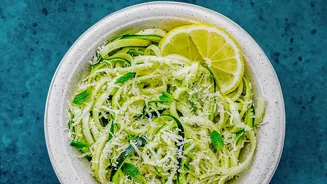
While mushrooms focus on B vitamins, zucchini shines in other areas, primarily as an excellent source of vitamin C and potassium. Just one medium zucchini can provide a significant portion of your daily vitamin C needs, an essential antioxidant that helps protect your cells from damage, supports your immune system, and aids in collagen production for healthy skin. Don't peel it, though—much of the vitamin C is found in the skin. Zucchini is also rich in potassium, a mineral that is critical for regulating blood pressure, maintaining proper fluid balance, and ensuring healthy muscle and nerve function. The combination of fibre and potassium makes zucchini a heart-healthy choice.
Fungus vs. Plant: The Biological Divide
The fundamental reason for these stark nutritional differences lies in biology: mushrooms are not plants. They belong to a completely separate kingdom—fungi. Plants, like zucchini, are autotrophs, meaning they create their own food through photosynthesis using sunlight, water, and carbon dioxide. This process influences the types of nutrients they produce. Fungi, however, are heterotrophs. They lack chlorophyll and cannot photosynthesise. Instead, they absorb nutrients from their environment, such as decaying organic matter, by secreting enzymes. This entirely different method of survival and metabolism leads to a unique nutritional composition, including the creation of B vitamins and other compounds not typically found in the plant kingdom in such concentrations.
Why Your Plate Needs Both
This comparison isn't about crowning a winner. Instead, it's a perfect illustration of why dietary diversity is so critical for good health. Relying on only a few types of vegetables, even healthy ones, can lead to nutritional gaps. The B vitamins in mushrooms are essential for energy production, while the vitamin C in zucchini is a cornerstone of immune health. They offer complementary benefits that work together. By eating both, you cover more of your micronutrient bases. Think of your diet as a team; you need players with different skills to be successful. Mushrooms and zucchini are star players in their respective roles, and your body benefits most when both are on the roster.
Simple Ways to Enjoy Mushrooms and Zucchini
Incorporating both of these nutritional powerhouses into your weekly meals is simple and delicious. For a quick and hearty sabzi, sauté sliced mushrooms and chopped zucchini with onions, tomatoes, and your favourite Indian spices like turmeric and cumin. The earthy flavour of mushrooms pairs beautifully with the mild, slightly sweet taste of zucchini. You can also thread them onto skewers with paneer or chicken for a flavourful kebab on the grill. Another easy option is to add both to pasta sauces, stir-fries, or even an egg bhurji. Finely grated zucchini can be added to batters for dosa or parathas for a hidden nutrient boost, while mushrooms can be blended into thick, savoury gravies to add depth and umami flavour.