







Our Health Starts at the Market
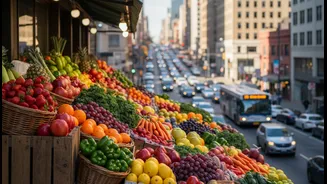
The foundation of a healthy meal isn't laid in the kitchen, but in the markets that supply it. The concept of a 'food environment'—the physical and economic access people have to different kinds of food—is central to public health. A household's proximity
to a vendor selling fresh vegetables, fruits, and pulses can have a more significant impact on nutrition than a recipe book. When nutritious ingredients are out of reach, either geographically or financially, diets inevitably suffer. This isn't just about individual choice; it’s about community design. A neighbourhood rich with fresh food vendors offers its residents a fundamentally different set of health outcomes than one dominated by stores selling only packaged and processed goods.
The Double Burden of Malnutrition
India faces a complex nutritional challenge known as the 'double burden of malnutrition': the coexistence of undernutrition and rising rates of overweight and obesity. This paradox is deeply connected to food access. In some urban areas, the problem is 'food deserts,' where fresh, healthy food is scarce and residents rely on convenience stores. In others, it's 'food swamps,' areas saturated with fast-food chains and sellers of unhealthy snacks. These environments make it easier and cheaper to consume high-calorie, low-nutrient foods. Studies show that while underweight issues persist, particularly in rural areas, obesity is rapidly increasing in cities, creating a dual public health crisis. A recent study noted a nearly threefold increase in overweight and obesity among urban children in just two years, highlighting the urgent nature of the problem.
The Lifeline of Local Markets
Traditional local markets, from the daily sabzi mandi to the weekly haat, are the backbone of nutritional access for a vast portion of India's population. These markets do more than just sell food; they are hubs of affordability, variety, and cultural continuity. They provide a platform for small and marginal farmers to sell their produce directly, keeping costs lower for consumers and supporting local economies. Research has shown that market access is directly linked to dietary diversity. The ability to purchase non-staple foods like dairy, pulses, and fresh vegetables from a nearby market significantly improves the quality of a household's diet. In a country where diets can be heavily reliant on cereals, these markets provide the crucial diversity needed for balanced nutrition.
Bridging the Gaps in Access
Improving access to nutritious food requires a multi-pronged approach. Government initiatives like the Public Distribution System (PDS) have been crucial for food security by supplying subsidised grains. However, ensuring nutritional security means going beyond staples. This is where infrastructure and policy play a key role. Urban planning must integrate spaces for fresh food markets to prevent the formation of food deserts. Supporting Farmer Producer Organisations (FPOs) can help streamline the supply chain, bringing fresh produce to urban centres more efficiently and ensuring better prices for farmers. Furthermore, mobile vending, allowing vegetable and fruit sellers to reach underserved neighbourhoods, and the promotion of community or kitchen gardens are effective strategies to bring nutrition closer to home.