



The Daily Duty of a Conditioner
Let's start with the familiar favourite. A daily conditioner is an essential part of any hair care routine, and for good reason. Its primary job is to work on the surface of your hair. After shampooing, which cleanses the hair but can lift its outer layer,
or cuticle, a conditioner steps in to smooth it back down. This makes your hair feel softer, reduces friction between the strands, and makes it much easier to detangle, preventing breakage from brushing and combing. Think of it as a daily moisturiser for your hair; it provides a lightweight, protective coating that keeps things manageable and adds a bit of shine. However, because it's designed for frequent use, its formula is lighter and its effects are more immediate than long-term.
How Hair Masks Go Deeper
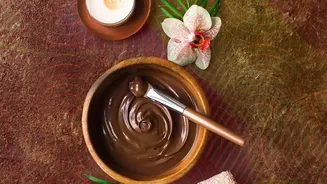
If a conditioner is a daily moisturiser, a hair mask is a weekly deep-treatment facial. Unlike conditioners that work mostly on the surface, hair masks are formulated with a higher concentration of powerful, nourishing ingredients. Their thicker, richer consistency is designed to be left on the hair for a longer period—typically anywhere from five minutes to half an hour. This extended time allows the mask to penetrate deeper into the hair shaft, past the outer cuticle, to deliver intense hydration and repair from within. While a conditioner provides damage control, a mask is all about damage repair. It targets underlying issues like dryness, brittleness, and weakness caused by heat styling, chemical treatments, or environmental stressors like pollution.
The Powerhouse Ingredients Inside
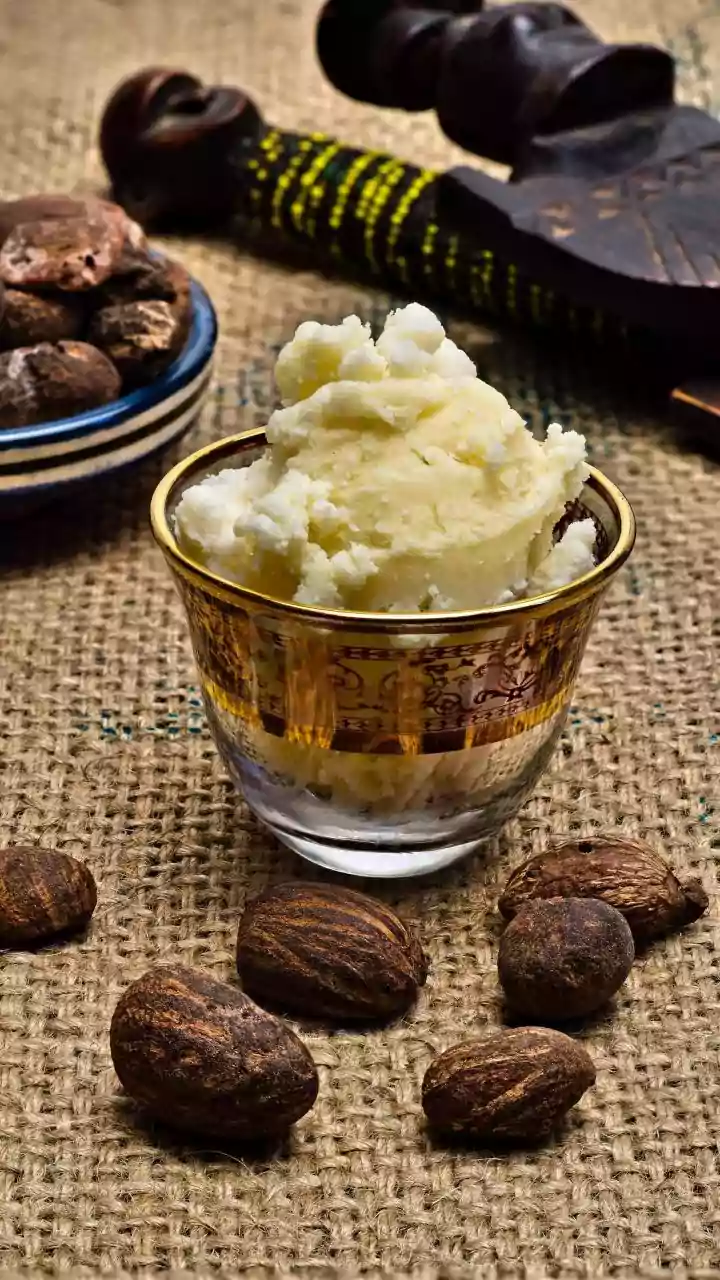
What gives hair masks their restorative power is their potent blend of ingredients. They are often packed with natural oils, butters, proteins, and vitamins that you won't find in such high concentrations in a regular conditioner. Ingredients like argan oil, shea butter, and coconut oil provide deep hydration and restore softness and shine. For hair that is weak or prone to breakage, masks containing proteins like keratin are a game-changer. Keratin is the natural protein that makes up most of our hair structure, and using a mask rich in it helps to rebuild and strengthen each strand, improving elasticity and reducing split ends. Other ingredients like hyaluronic acid offer intense moisture, while biotin and collagen can help hair appear thicker and more voluminous.
Choosing the Right Mask for Your Hair
With so many options available, finding the right mask starts with identifying your primary hair concern. For dry, dull, or brittle hair, seek out hydrating masks packed with moisturising ingredients. If your hair is damaged from colouring or heat styling, a strengthening or bond-repairing mask with keratin or other proteins is your best bet. Those with fine hair should opt for lightweight formulas that won't weigh strands down, while those with thick, coarse, or curly hair can handle richer, heavier creams for deep nourishment. Even oily hair can benefit. A clarifying mask with ingredients like clay or charcoal, used less frequently and focused on the mid-lengths and ends, can help rebalance the hair without causing greasiness.
The Ritual for Remarkable Results
To get the most out of your hair mask, application is key. For most people, a weekly masking session is a good starting point. Damaged or very dry hair might benefit from using one two to three times a week, while fine or oily hair types may only need it once every couple of weeks. Always apply your mask to clean, damp hair after shampooing. Squeeze out the excess water before applying the product, focusing on the mid-lengths and ends where hair is typically the most damaged. Leave it on for the time specified on the packaging—rushing this step will prevent the ingredients from fully penetrating the hair. After the time is up, rinse thoroughly. Some people like to follow with a light layer of conditioner to seal the cuticle, but for many, the mask provides more than enough conditioning on its own.