





A Familiar Classic Reimagined
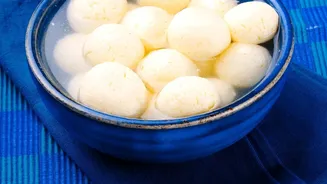
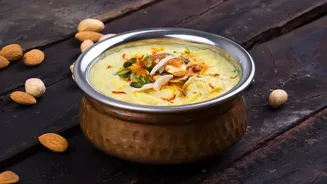
Rasmalai is a dessert that needs little introduction. Originating from the Bengal region, its name translates to “juice” and “cream,” which perfectly describes the experience of biting into soft, spongy cheese discs soaked in a sweet, thickened milk.
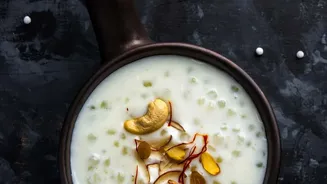
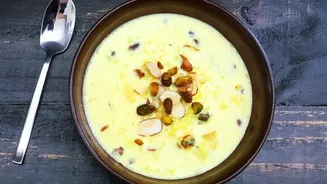
It is a royal treat, beloved across the country for its delicate texture and rich flavour. Now, a creative variation has emerged, swapping the traditional cheese 'chenna' for something equally delightful: sabudana, or tapioca pearls. This version, often popular during fasting periods like Navratri, offers a different kind of softness—a chewy, tender bite that provides a fascinating contrast to the creamy milk base, creating a dessert that is both innovative and deeply comforting.
The Aromatic Anchor of Tradition
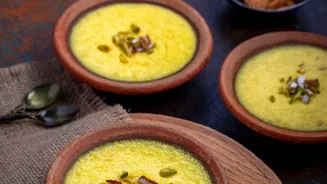
What makes this new creation feel so instantly familiar are two of the most iconic spices in the Indian dessert pantry: saffron (kesar) and cardamom (elaichi). These flavours are the soul of traditional Rasmalai. Saffron imparts a beautiful golden hue and a subtle, luxurious aroma to the milk, while green cardamom adds its signature sweet, floral notes. In Sabudana Rasmalai, these spices play the same crucial role, ensuring that every spoonful delivers the classic taste you know and love. They act as an aromatic bridge, connecting the novel texture of the sabudana patties to the timeless, creamy richness of the 'ras' or flavoured milk. This grounding in traditional flavour is what makes the dish an instant success rather than a strange departure.
The Challenge of the Pearl
While the flavours are straightforward, the success of Sabudana Rasmalai hinges entirely on the texture of the tapioca pearls. Sabudana is notoriously tricky. Made from starch, it can easily become a sticky, lumpy mess if not handled correctly. Overcook it, and the pearls turn gooey; undercook them, and you are left with an unpleasantly hard centre. Many recipes involve shaping the cooked sabudana into small patties or balls that must hold their shape when simmered in the hot milk. If the sabudana mixture is too wet, the patties will disintegrate. If it is too dry or not processed correctly, they can become tough and fail to absorb the creamy milk. This brings us to the most critical step in the entire process.
The Key Qualification: A Perfect Soak
The single most important qualification for perfect Sabudana Rasmalai is mastering the soak. Before any cooking begins, the sabudana pearls must be properly hydrated. This is not just about submerging them in water; it is about achieving the perfect bloom. The goal is to soak the pearls for several hours, or even overnight, in just enough water to cover them. When properly soaked, each pearl will be soft, fluffy, and easily crushed between your fingers with no hard, white centre remaining. It is crucial to drain away any excess water thoroughly before proceeding. This step ensures the sabudana cooks evenly and quickly, turning translucent without releasing excess starch that would make the dish gluey. An improper soak is the primary reason for hard, chewy patties or a lumpy final texture. Get this right, and you are more than halfway to dessert perfection.
Bringing It All Together
Once your sabudana is perfectly soaked, the rest of the process is about gentle care. The pearls are often cooked or ground into a paste with a binder like milk powder to help them form cohesive patties. These patties are then gently simmered in a rich rabri—full-fat milk that has been patiently reduced and infused with saffron, cardamom, and sugar. It is vital to cook on a low to medium flame and avoid aggressive stirring, which can cause the delicate patties to break. The patties will swell slightly as they absorb the fragrant milk, becoming plump and flavourful. After a final garnish of chopped pistachios and almonds, the dessert should be chilled for a few hours to allow the flavours to meld completely.