




The Forbidden Hill of Kings
Long before the arrival of the British, Fort Canning Hill was known as Bukit Larangan, or the 'Forbidden Hill'. Local tradition held that it was the sacred resting place of the ancient Malay kings who ruled the 14th-century port settlement of Singapura.
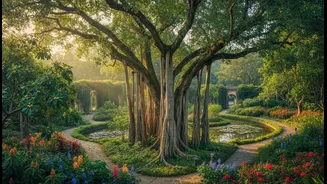
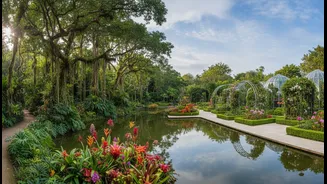
Archaeological digs have unearthed artefacts from this era, confirming its status as a centre of power and royalty. Today, visitors can find echoes of this regal past in the Sang Nila Utama Garden. Named after the kingdom's legendary founder, this space reimagines a 14th-century palace garden with Javanese-style split gates and serene reflective pools, offering a glimpse into a time when monarchs resided on this very summit.
Raffles' Botanical Vision
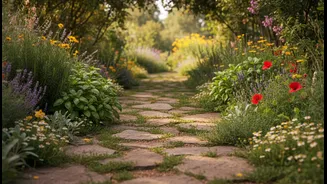
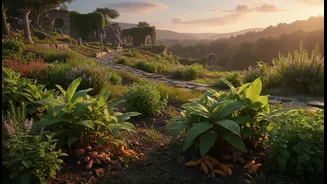
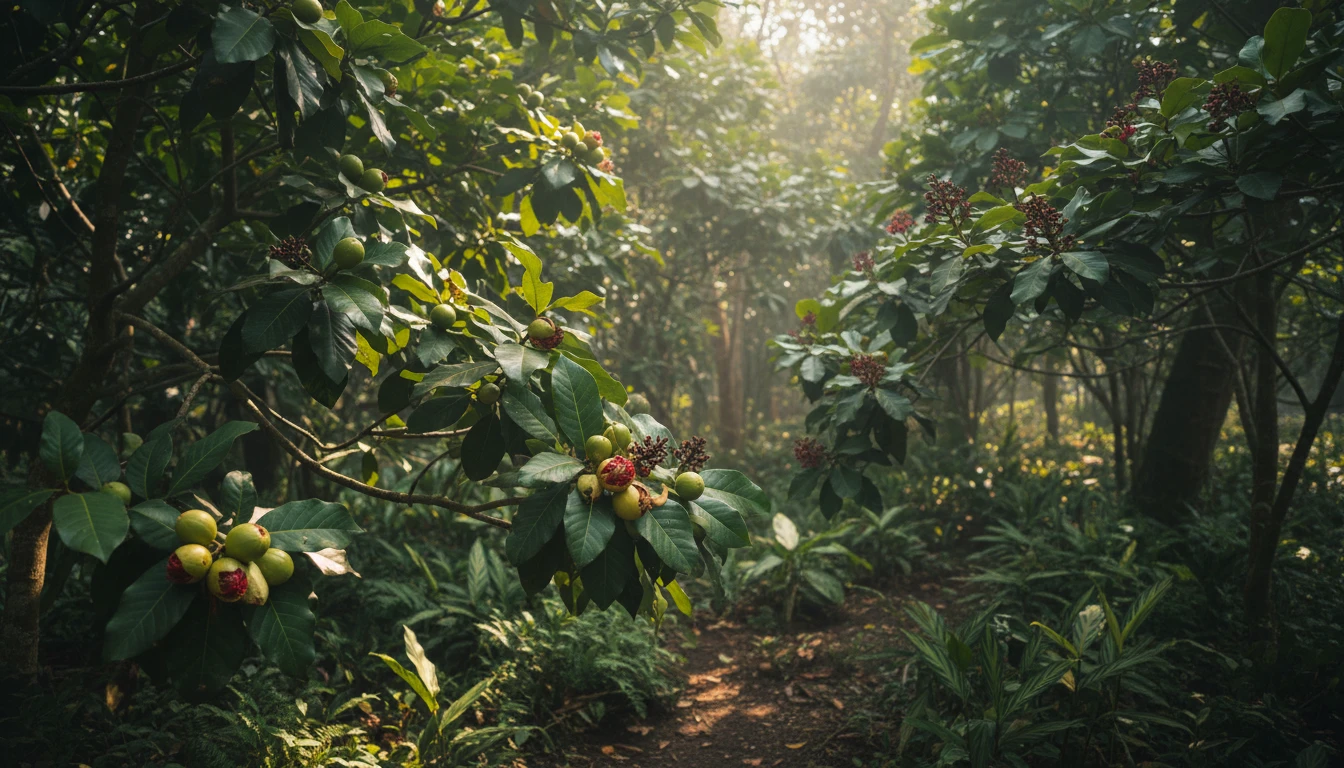
The hill's story took a dramatic turn with the arrival of Sir Stamford Raffles in 1819. He built his residence on the summit and, an avid naturalist, established Singapore's first botanical and experimental garden on its slopes in 1822. This wasn't a garden for leisure, but an economic engine. Spanning nearly 20 hectares, its purpose was to cultivate valuable crops like nutmeg and cloves. While the original garden was eventually abandoned in 1829, its legacy is honoured in the park's current Spice Garden. Here, visitors can wander among over 180 plant varieties and learn about the spice trade that was once as valuable as gold and central to Singapore's early economy.
From Garden to Fortress
By the mid-19th century, the hill's strategic height was repurposed for military defence. Raffles' home was demolished to make way for a fort, completed in 1861 and named Fort Canning after Viscount Charles John Canning, the Viceroy of India. Though the fort itself never saw major combat and was largely demolished in the early 1900s, its military role was far from over. Beneath the soil, a new command centre was constructed in the 1930s: an underground bunker known as the Battlebox. This bomb-proof facility became the nerve centre for the British-led Malaya Command during the Second World War.
The Fateful Surrender and Modern Revival
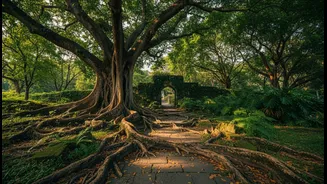
The Battlebox is infamous as the site where one of the most pivotal decisions in Singapore’s history was made. It was within these cramped, subterranean rooms that Lieutenant-General Arthur E. Percival made the momentous decision to surrender Singapore to the invading Japanese forces on 15 February 1942. Today, the Battlebox is a museum that brings this harrowing chapter to life. Above ground, the park has transformed into a vibrant civic space. The Gothic Gates of an old Christian cemetery stand near sprawling lawns used for concerts and festivals, while heritage trees tower over restored gardens. It seamlessly blends recreation with reflection, allowing visitors to jog past cannons and picnic on grounds that witnessed the fall of an empire.