



Mumbai's Lifeline: Cutting Chai
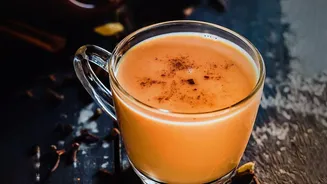
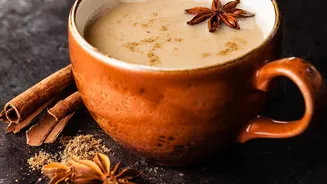
In the fast-paced life of Mumbai, time and money are luxuries. Enter cutting chai, the city's answer to a quick, affordable energy boost. The name 'cutting' refers to a half-portion of strong, milky masala chai, served in small glasses. It's potent, intensely
flavoured with ginger and cardamom, and always served scorching hot. This brew is a function of urbanization, catering to workers who needed a quick, economical refreshment. Found at countless roadside stalls or 'tapris', cutting chai is not just a drink but a social connector—a brief, shared ritual that fuels the city that never sleeps.
Hyderabad's Persian Legacy: Irani Chai
Introduced to Hyderabad by Persian immigrants in the 19th century, Irani chai is a creamy, mellow love story in a cup. Unlike typical chai where everything is boiled together, the process here is distinct. A strong, bitter tea decoction is brewed separately from the milk, which is slow-boiled for hours with sugar until it thickens into a rich, creamy consistency. To serve, the rich milk is poured into a cup, followed by the dark tea decoction, resulting in a velvety, less spicy, and soothing beverage that has become a defining feature of the city's historic Irani cafes.
Kashmir's Pink Treasure: Noon Chai
From the picturesque valleys of Kashmir comes a tea as unique as its landscape: Noon Chai. Known for its striking pink hue and savoury taste, this is not your typical sweet chai. It's made from special green tea leaves, milk, and a pinch of baking soda, which reacts with the tea to create its signature colour. The key ingredient, however, is salt, or 'noon' in the Kashmiri language. Traditionally prepared in a samovar, this creamy, salty tea provides warmth and essential electrolytes, making it perfectly suited for the region's cold climate. It is often garnished with chopped almonds and pistachios.
Kolkata's Zesty Kick: Lebu Cha
Kolkata's street food culture is perfectly encapsulated in a glass of Lebu Cha. A world away from milky, spiced chai, this is a light, tangy, and invigorating black tea. 'Lebu' means lemon, and this drink is a zesty concoction of strong black tea, fresh lemon juice, and a special 'moshla' or spice mix. This typically includes black salt and roasted cumin powder, with some vendors even adding a slice of green chilli for a subtle, spicy kick. Served in small glasses or earthen cups, it's a refreshing pick-me-up that cuts through the city's humidity and awakens the senses.
Kerala's Coastal Brew: Sulaimani Chai
Along the Malabar Coast of Kerala, with its history of Arab trade, another milk-free chai reigns supreme: the Sulaimani. This golden-hued, aromatic black tea is a beloved digestive, often served after heavy meals like biryani. It's brewed by simmering black tea with spices like cardamom, cloves, and sometimes cinnamon. Just before serving, a squeeze of fresh lemon juice is added, brightening the flavour and giving the tea its characteristic amber colour. Sweetened with sugar or jaggery and occasionally garnished with a mint leaf, Sulaimani is a light, fragrant, and deeply refreshing brew.
The Parsi Touch: Phudina Ni Choi
The Parsi community, with its unique cultural blend of Iranian and Indian influences, has its own beloved take on tea, often called 'choi'. The quintessential Parsi version is a fragrant brew infused with fresh mint leaves ('phudina') and lemongrass ('leeli chai'). This simple addition transforms a standard milky tea into something exceptionally aromatic and refreshing. While spices like ginger and cardamom can also be included, the defining characteristic is the fresh, herbal lift from the mint and lemongrass, making it a staple in Parsi households and a soothing start to any day.