






Beyond Giza: The Pyramids of Saqqara and Dahshur
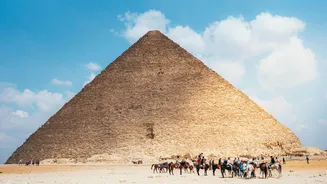
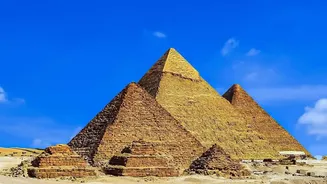
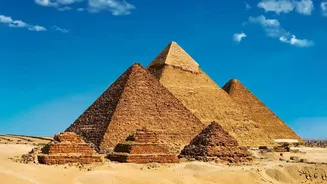
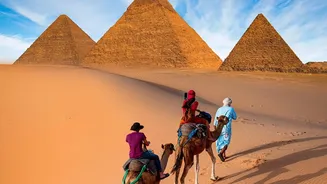
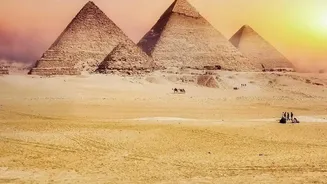
No trip to Egypt is complete without standing in the shadow of the Great Pyramids of Giza and the Sphinx. Their scale is breathtaking, a non-negotiable part of any itinerary. However, the experience can be intense, with large crowds and persistent vendors.
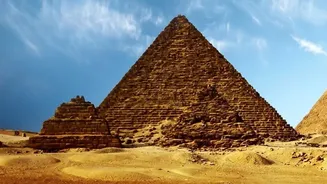
For a deeper, more peaceful understanding of how these masterpieces came to be, travel a short distance south to Saqqara and Dahshur. Saqqara is home to the Step Pyramid of Djoser, the world's oldest major stone structure, offering a look at the architectural evolution that led to Giza. Further on, Dahshur presents the unique Bent Pyramid and the Red Pyramid. Here, you can often explore the ancient structures in relative solitude, appreciating the sheer ingenuity of their builders without the constant hustle. This pairing allows you to see not just the finished product at Giza, but the fascinating trial-and-error process that got them there.
From Karnak's Grandeur to Dendera's Color
The temple complexes of Karnak and Luxor are staggering in their size and complexity. Walking through Karnak's Great Hypostyle Hall, with its forest of colossal columns, feels like stepping into another world. Yet, centuries of exposure have faded many of their original colors. To see a temple as the ancients did, take a day trip north to Dendera and Abydos. The Temple of Hathor at Dendera is one of the best-preserved temples in all of Egypt. Its main hall features a ceiling painted a brilliant blue, covered with detailed astronomical scenes that have retained their vibrancy for millennia. Nearby, the Temple of Seti I at Abydos contains some of the most intricate and beautifully carved reliefs, including the famous Abydos King List. This journey offers a stunning contrast: the overwhelming scale of Luxor and Karnak followed by the breathtaking color and detail of Dendera.
Life Beyond the Pharaohs: The Valley of the Nobles
The Valley of the Kings is a highlight for good reason—it’s the final resting place of pharaohs like Tutankhamun and Ramesses VI. The tombs are designed to guide royalty through the underworld. But what about the people who ran the kingdom? For that story, visit the nearby Valley of the Nobles. These tombs belong to high-ranking officials, scribes, and priests. While smaller and less grand than their royal counterparts, the artwork inside is often better preserved and tells a different story. Instead of focusing solely on gods and the afterlife, these paintings depict vibrant scenes of daily life: harvesting grain, fishing, and celebratory banquets. It’s a fascinating, personal glimpse into the society that supported the pharaohs, and you'll often explore these intricate tombs with few other visitors around.
On the Nile: Feluccas and Elephantine Island
Aswan, with its beautiful setting on the Nile, is often the starting or ending point for multi-day river cruises. While these large ships offer comfort, a more traditional and serene experience can be found on a felucca, a classic single-masted sailboat. A short felucca trip, or even just a ferry ride, can take you to Elephantine Island. This island, located in the middle of the Nile opposite the bustling city, offers a peaceful escape. Here you can wander through colorful Nubian villages, explore the ruins of the Temple of Khnum, and see a 3,000-year-old Nilometer used to measure the river's flood levels. It’s a welcome change of pace that connects you to the timeless rhythm of Nile river life, away from the crowds of the larger tour boats.