



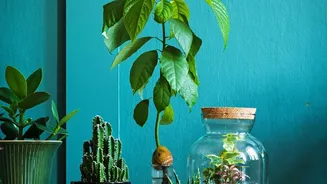
Start With the Right Plants
The foundation of your indoor jungle is choosing the right plants. For Indian homes, a mix of hardy, low-maintenance varieties and a few statement-makers works best. Start with resilient choices like the Snake Plant and the ZZ Plant; both are known for
their air-purifying qualities and tolerance for low light and infrequent watering, making them perfect for beginners. The beloved Money Plant (Pothos) is incredibly versatile, with trailing vines that can cascade from shelves or be trained to climb. For a bolder, tropical feel, consider a large Areca Palm to fill a corner with its feathery fronds, or a Monstera with its iconic, split leaves.
Play With Height and Layers
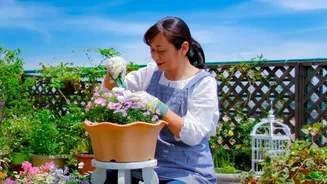
A key principle of creating a 'greenery' feel is to vary the height of your plants to mimic a natural landscape. Don’t just place every pot on the floor. Use plant stands, stools, or side tables to elevate smaller plants. Incorporate hanging planters for trailing species like Pothos or Spider Plants to draw the eye upward and add vertical interest. Place taller plants, like a Fiddle Leaf Fig or a large palm, in corners or behind furniture to act as a backdrop, and arrange smaller plants in front of them. This layering creates depth and makes the room feel fuller and more dynamic.
Group Plants for Greater Impact
While a single plant can be beautiful, grouping several together creates a powerful visual statement. The 'rule of three' is a popular design technique; arranging plants in odd numbers often feels more natural and balanced. Cluster plants of varying sizes, leaf textures, and shades of green. For instance, you could place a tall, upright Snake Plant next to a bushy Fern and a trailing Philodendron. This not only looks lush but also creates a micro-environment where the plants can benefit from the shared humidity, which is especially helpful for tropical varieties.
Use Corners and Vertical Space
Often-neglected spaces are your best allies in creating an indoor jungle. Empty corners are the perfect spot for a large statement plant like an Areca Palm or a Bird of Paradise, which can soften sharp architectural lines and add life to an otherwise unused area. Look up and utilise vertical space. Install floating shelves on a wall to create a dedicated plant display. Trailing plants like Devil's Ivy are perfect here, as their vines can hang down, creating a beautiful cascading effect that feels truly immersive.
Choose the Right Containers
The pot or planter you choose is just as important as the plant itself. Containers contribute to the overall aesthetic and help tie your green decor together. For a rustic, earthy feel, opt for terracotta pots, which are porous and great for plants that prefer drier soil. Wicker or rattan baskets can conceal standard plastic pots and add a bohemian touch. For a more modern, sleek look, choose neutral-coloured ceramic or metal planters. Mixing and matching different styles can add character, but sticking to a cohesive colour palette or material can create a more unified and polished look.