





Why Your Body is Thirsty After Fasting
Fasting, even when consuming fruits and select foods, can lead to mild dehydration. Your body loses water not just from reduced fluid intake but also from the breakdown of glycogen, your stored energy source. Each gram of glycogen is bound to several
grams of water, and as your body uses it for energy, this water is released and lost. Furthermore, you miss out on the significant water content typically found in regular meals. This process can also disrupt your electrolyte balance. Transitioning back to a normal diet without first addressing this fluid deficit can put a strain on your digestive system and kidneys, leading to discomfort, bloating, and fatigue.
The First Gentle Step: Rehydrating Fluids
Before you reach for a celebratory meal, your first priority should be to rehydrate gently. Downing large amounts of plain water too quickly can be overwhelming. Instead, start with sips of fluids that offer both water and essential minerals. Coconut water is an excellent choice as it's a natural source of electrolytes that helps restore balance quickly. Other great options include a glass of lemon water with a pinch of rock salt, fresh buttermilk (lassi), or a soothing mint and cucumber cooler. These drinks quench thirst, aid digestion, and prepare your stomach for solid food without causing a shock to the system.
Hydrating Foods to Eat First
Once you've had some liquids, introduce easily digestible, water-rich foods. Think of fruits and vegetables that are soft and hydrating. Good choices include watermelon, oranges, papaya, and cucumber. A small bowl of plain yogurt or curd is also beneficial, as it's cooling, hydrating, and contains probiotics that support gut health. A light vegetable soup or a simple dal without excessive spice can be a perfect transition to a more substantial meal. The goal is to choose foods that are gentle on the stomach and continue the rehydration process. These options provide nutrients without overwhelming a digestive system that has been in a semi-rested state.
What to Avoid in the First 24 Hours
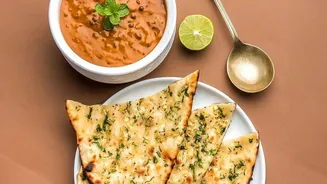
Just as important as what to eat is what to avoid. Immediately jumping back to heavy, oily, or processed foods is a common mistake that can lead to digestive distress, acidity, and bloating. Steer clear of deep-fried items like puris and pakoras, rich curries, and anything with excessive sugar. These foods are difficult to digest and can place a heavy burden on your system. It's also wise to avoid caffeine-heavy drinks like strong tea and coffee initially, as they can have a diuretic effect and contribute to further dehydration. Give your body at least a full day to readjust before reintroducing these heavier items into your diet.
A Sample Post-Fast Transition Plan
To ease your body back into its normal rhythm, consider a gradual approach. Start by breaking your fast in the evening with a glass of coconut or lemon water. An hour later, have a piece of fruit like a banana or a small bowl of papaya. For dinner, a light meal of moong dal khichdi with a side of yogurt is an ideal choice, as it's a balanced mix of protein and carbohydrates that's easy to digest. The following morning, you can have a fruit smoothie or a bowl of oatmeal. By lunchtime, you can progress to a simple meal of dal, rice, and a lightly cooked vegetable sabzi. This slow and steady progression ensures your body has time to adapt, leaving you feeling energised and healthy after your nine days of fasting.