



Beyond the Gravy Monotony
Paneer is a cornerstone of Indian vegetarian cooking, celebrated for its mild, milky flavour and its unique ability to hold its shape when heated. This non-melting quality makes it incredibly versatile. However, it is often submerged in heavy, cream-laden
gravies that, while delicious, can sometimes overpower the cheese's delicate character. The focus shifts to the sauce, and the paneer becomes a mere protein-packed sponge. But by treating paneer as the star ingredient, we can appreciate how its texture directly influences taste. The way you cut and cook paneer—whether grilled, stuffed, or crumbled—changes how it interacts with spices and creates entirely different culinary experiences.
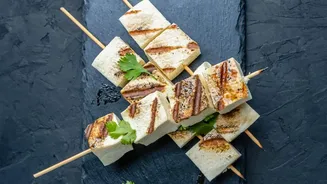
Grilled: Smoky Char and a Firm Bite
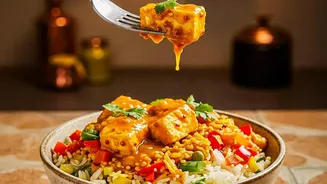
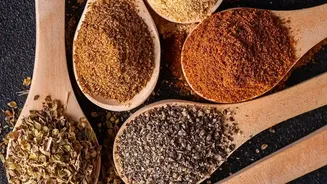
Grilling is one of the best ways to experience paneer's textural transformation. When exposed to high, direct heat, cubes of paneer develop a beautiful char on the outside, creating a slightly crisp, smoky crust that gives way to a soft, yet firm and chewy interior. This method prevents the paneer from becoming rubbery, a common issue often caused by overcooking. The key is a good marinade. A thick, yogurt-based marinade seasoned with spices like cumin, coriander, and garam masala clings to the paneer, flavouring it from the outside in. As it grills, the spices toast and the yogurt caramelises, adding layers of flavour. Grilled paneer is perfect on skewers, tossed into salads for a protein boost, or stuffed into wraps.
Stuffed: A Hidden Core of Flavour
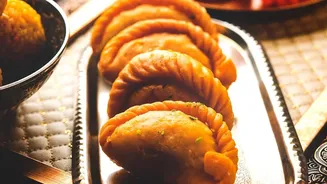
Stuffing paneer takes it from a simple ingredient to a delightful surprise. This technique involves slicing a block of paneer horizontally to create a pocket, or scooping out the centre, and filling it with a flavourful mixture. The filling can be anything from a spicy mix of chopped nuts and dried fruits to a fresh blend of herbs, green chillies, and potatoes. Once filled, the paneer can be pan-fried until golden or even simmered gently in a light sauce. This method protects the paneer's inherent softness while introducing a contrasting texture and a concentrated burst of flavour in every bite. It turns a simple paneer dish into an elegant appetiser or a decadent main course.
Crumbled: The Ultimate Spice Sponge
Crumbled paneer, best known in the form of paneer bhurji, is perhaps the most effective way to infuse the cheese with spices. By breaking down the paneer into small, irregular crumbles, you dramatically increase its surface area. This allows it to act like a sponge, soaking up all the flavours of the aromatics and spices it's cooked with, such as onions, tomatoes, ginger, and turmeric. Unlike cubing, which keeps flavours mostly on the surface, crumbling ensures every particle of paneer is coated in the masala. This preparation is incredibly versatile; it's a quick and satisfying scramble served with roti or bread, but can also be used as a filling for parathas, sandwiches, or rolls.
Connecting Texture to Taste
Ultimately, the texture of paneer isn't just about mouthfeel; it's a vehicle for flavour. A firm, grilled cube offers a robust chew and smoky notes. A soft, stuffed slice provides a creamy exterior with a flavourful, surprising centre. A fine crumble ensures maximum spice absorption for a dish that is fragrant in every bite. Each method highlights a different facet of this versatile cheese. While a good gravy has its place, understanding how to manipulate paneer's texture opens up a new world of culinary possibilities. It allows the spices and the cooking method to shine, proving that the most memorable paneer dishes are often the ones where the gravy plays a supporting role, not the lead.