




The Flaw in the Feather Duster
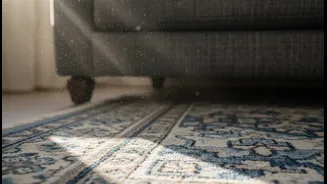
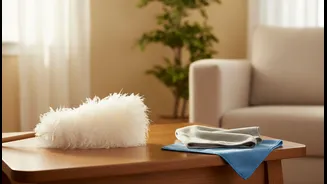
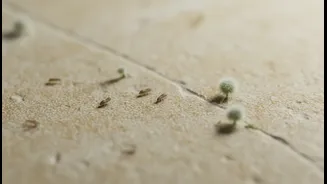
The primary job of a feather duster isn't really to capture dust, but to move it. While it might whisk away visible dust from a shelf, most of those particles—a mix of skin cells, pollen, fabric fibres, and pet dander—are simply launched into the air.
They then float around before settling back down on your furniture, floors, or even in your lungs. While high-quality ostrich feather dusters can use a natural electrostatic charge to trap some dust, they are largely ineffective for a deep clean and are better suited for light maintenance on delicate objects. For most household situations, you are just displacing the problem, not solving it.
The Scientific Magic of Microfibre
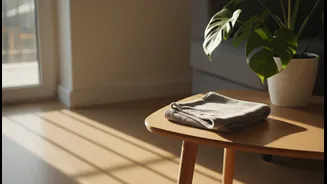
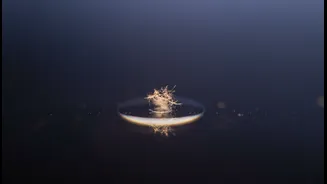
Enter the microfibre cloth, a true game-changer in the world of cleaning. The 'magic' is all in the science. These cloths are made from a blend of polyester and nylon fibres that are split into microscopic strands, often 1/100th the diameter of a human hair. This process creates an enormous surface area and gives the cloth a positive electrostatic charge. Since dust particles have a negative charge, the cloth acts like a magnet, attracting and lifting dust, dirt, and allergens instead of pushing them around. Studies have even shown that microfibre can remove up to 99% of bacteria from a surface, making it a preferred tool in hospitals and commercial cleaning.
The Simple Power of a Damp Cloth
For heavier dust buildup or for surfaces that can tolerate moisture, the humble damp cloth is an incredibly effective tool. The logic is simple: the moisture on the cloth helps dust particles stick, preventing them from becoming airborne. This technique, known as damp dusting, traps allergens and gives surfaces a deeper clean, as the moisture can help loosen light grime that a dry cloth would miss. For best results, use a microfibre cloth that is lightly dampened with plain water—it shouldn't be sopping wet or leave visible water behind. This method is particularly beneficial for those with allergies or asthma, as it significantly reduces the number of irritants in the air.
Your New High-Efficiency Dusting Plan
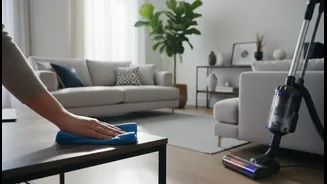
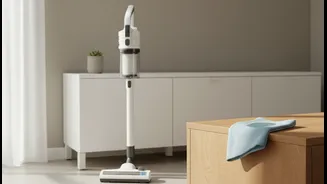
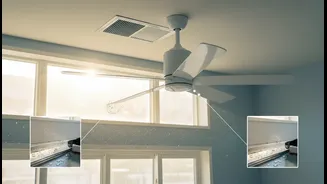
Ready to make the switch? Here’s a simple, effective strategy. Use a dry microfibre cloth for regular, weekly dusting of electronics, bookshelves, and furniture. For areas that are neglected or extra dusty, like baseboards, ceiling fan blades, and window sills, opt for a damp microfibre cloth. Always work from the top of the room to the bottom. Dust higher surfaces first, allowing any dislodged particles to fall onto lower surfaces you'll clean next. Finish by vacuuming the floor with a HEPA filter-equipped machine to capture any dust that has settled there. This top-to-bottom method ensures you aren’t undoing your hard work.
Caring For Your Cleaning Tools
Unlike disposable dusters, microfibre cloths are reusable, making them an economical and eco-friendly choice. To keep them working effectively, proper care is essential. After dusting, rinse the cloths thoroughly. When it's time to wash them, do so with regular detergent but avoid fabric softener at all costs. Fabric softener clogs the tiny fibres and ruins their dust-trapping electrostatic charge. It’s also best to wash them separately from cotton items like towels, as they will attract and become clogged with lint. Air dry or tumble dry on a low heat setting to ensure your microfibre cloths last for hundreds of washes.