




The Arashiyama Bamboo Grove, Kyoto
The dream is a serene walk through a towering, otherworldly corridor of green bamboo, with light filtering gently onto the path. The reality, for most visitors, is a slow, crowded shuffle along a 400-metre path, with more selfie sticks in view than tranquil
nature. The grove is undeniably beautiful, but the experience can feel underwhelming when shared with hundreds of others. To capture that magical photo, you need to arrive at sunrise, well before 8:00 AM. After 9:00 AM, the crowds become intense. Instead of joining the masses, consider the Adashino Nenbutsu-ji temple, a short walk away, which has its own beautiful and far less-trafficked bamboo path. For a different vibe entirely, Hokoku-ji temple in Kamakura (a day trip from Tokyo) is renowned for its stunning bamboo garden, often called the “bamboo temple,” where you can sip matcha while gazing into the grove.
The View from Tokyo Skytree
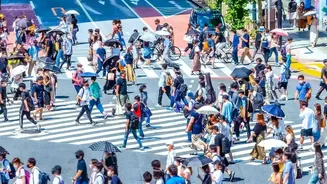
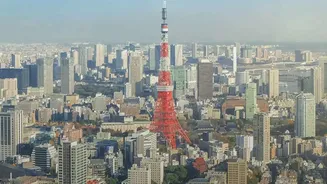
As the tallest structure in Japan, the Tokyo Skytree promises unparalleled panoramic views of the sprawling metropolis. And while the view can be impressive, especially on a clear day, the experience comes with a hefty price tag and potentially long queues. Some visitors find the extreme height makes the city feel distant and less immersive, more like looking out of an airplane window than being part of the skyline. For a fantastic (and free) alternative, head to the Tokyo Metropolitan Government Building in Shinjuku. Its observation decks offer breathtaking city views from a height that still feels connected to the urban landscape below. Another stellar option is Shibuya Sky, which provides a dramatic, open-air 360-degree view that includes the iconic Shibuya Crossing, offering a more dynamic and modern viewing experience that many now consider the best in the city.
The Torii Gates of Fushimi Inari Shrine, Kyoto
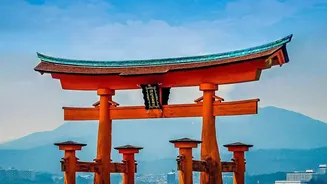
The endless path of vibrant vermilion torii gates winding up a mountainside is one of Japan's most iconic images. Fushimi Inari is a must-see, but the lower, most densely packed sections of the trail are almost permanently congested with tourists. It can be difficult to appreciate the spiritual atmosphere or get a clean photo amidst the throngs of people. While the crowds thin out the higher you climb, many visitors only see the packed entrance. For a similar visual impact without the overwhelming crowds, seek out Nezu Shrine in Tokyo. It features a stunning tunnel of smaller torii gates on a hillside path, offering a wonderfully photogenic and peaceful experience. Another option is to explore the other attractions in Kyoto's Fushimi district itself, which is a historic sake-producing area with charming canals and breweries that offer a different, more local taste of the city.
The Snow Monkeys of Jigokudani Monkey Park
Seeing Japanese macaques lounging in a natural hot spring against a snowy backdrop is a unique and compelling sight. However, reaching Jigokudani Monkey Park involves a significant time commitment, often taking several hours of travel from major cities like Tokyo for what might be a relatively short visit. The experience requires a 30-40 minute walk each way along a forest path that can be snowy and slippery in winter. While the monkeys are a highlight, some travelers may find the long journey isn't the best use of limited time, especially on a first trip to Japan. Instead of a dedicated monkey pilgrimage, consider immersing yourself in the onsen culture that the monkeys famously enjoy. Spend that travel time at a traditional ryokan (inn) in a hot spring town like Hakone or Kinosaki Onsen. This allows you to experience the relaxing ritual of onsen bathing yourself, enjoy elaborate kaiseki meals, and soak in the local atmosphere—a deeply cultural experience that puts you at the center of the story.