







A Village Lost in Time
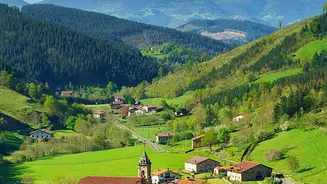
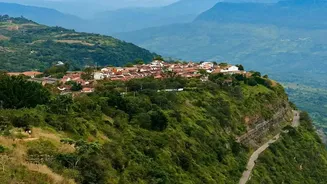
Avellanosa de Muñó is a portrait of what many call ‘Empty Spain’. Located in the province of Burgos, it is a place defined more by what it lacks than what it has. There are no shops, no open bars, and no restaurants. The population has dwindled to just
a handful of residents, their days marked by a quiet rhythm, punctuated only by the weekly bread van. Like thousands of other villages across the Spanish interior, it has been hollowed out by decades of migration to the cities, leaving behind an aging population and a profound sense of stillness. This demographic decline is a story of economic shifts and forgotten communities, a silent crisis playing out across vast stretches of the country.
The Approaching Shadow
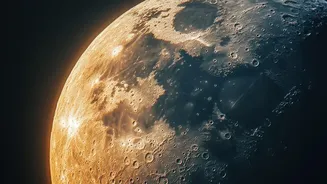
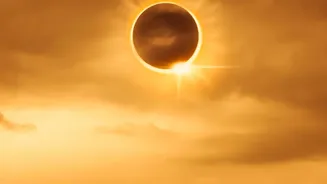
But on August 12, 2026, this quiet village will find itself at the exact centre of an extraordinary event. On that day, a total solar eclipse will sweep across Europe for the first time since 1999. The 'Moon Shadow' in the headline is no mystical legend; it is the literal shadow of the Moon as it passes between the Sun and the Earth, creating a temporary, profound darkness. This path of totality, where the Sun is completely obscured, is a narrow corridor, and Avellanosa de Muñó lies directly within its central line, making it one of the most sought-after viewing locations on the planet for this rare spectacle.
A Spectacle of Light and Darkness
For Spain, this will be the first total solar eclipse visible from the mainland since 1912, making it a historic moment for the nation. What makes the event in Avellanosa de Muñó even more special is its timing. The eclipse will occur shortly before sunset, creating a surreal 'double twilight' effect, where day will turn to night and back again, only to be followed by the natural sunset minutes later. The village’s geography, with its wide-open fields and low, unobstructed western horizon, offers a perfect natural amphitheatre for the show. Its lack of development, once a sign of decline, has become its greatest asset, promising clear, dark skies free from the light pollution of bigger towns.
The World Is Coming
The prospect of this celestial alignment has sparked a global tourism boom. Astronomers, photographers, and curious travellers are all planning their pilgrimage to this corner of Spain. Hotels and other accommodations across the region, like the historic Parador de Lerma, were reportedly fully booked as early as 2022, years in advance of the event. This phenomenon, known as 'eclipse tourism', transforms quiet locations into bustling international hubs for a brief period. For a village where the arrival of a bakery van is a notable event, the expected influx of thousands of visitors represents a disruption on an unimaginable scale, bringing both opportunity and immense challenges.
Can a Shadow Bring Lasting Light?
The ultimate question for Avellanosa de Muñó is what will remain after the shadow has passed and the crowds have gone home. Can a single event, however spectacular, reverse decades of decline? Across rural Spain, communities are looking to tourism as a potential lifeline to combat depopulation, leveraging their unique heritage and natural landscapes to attract visitors. Experts caution that tourism alone is rarely a panacea for deep-rooted structural issues like a lack of jobs, services, and infrastructure. Yet, for the residents of Avellanosa de Muñó, the eclipse offers a flicker of hope—a chance to be seen, to showcase their region, and perhaps to plant a seed for a more sustainable future, proving that even a moment of total darkness can illuminate a new path forward.