








An Epic Myth, A Real-World Problem
First, let's address the epic in the room: As of mid-2026, Christopher Nolan's The Odyssey is a wildly popular fan-casting dream, not a confirmed project. However, the headline perfectly captures a real and growing phenomenon in blockbuster filmmaking,
one Nolan himself has championed. With films like Oppenheimer, the director has pushed the boundaries of cinematic presentation, making the format itself a crucial part of the story. The dilemma is that this pursuit of the ultimate visual experience runs into a very practical wall: the scarcity of theaters equipped to deliver it. The number in the headline, around 41 theaters globally, is a very real estimate for the number of venues that can project in the gold standard format: IMAX 15/70mm film.
What Is ‘True Format’ IMAX Film?
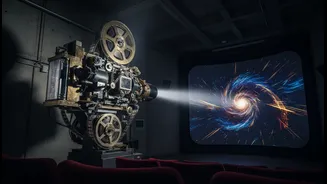
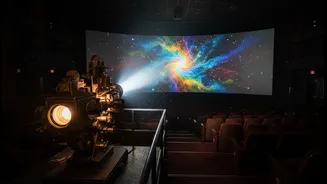
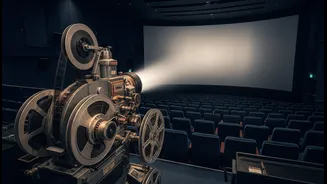
Not all screens branded "IMAX" are created equal. The "true format" refers to 15-perforation/70-millimeter film projection, often called 15/70. Unlike standard film that runs vertically, IMAX film runs horizontally. Each frame is a massive 70mm by 48.5mm, with 15 perforations (or sprocket holes) across its width. This is nearly nine times the size of a standard 35mm film frame, the kind most movies used for decades. This enormous negative captures an astonishing amount of detail, with an estimated digital resolution equivalent of 16K to 18K. When projected onto a massive, multi-story screen in a 1.43:1 aspect ratio, it fills your entire field of vision, creating an immersive experience that digital formats still struggle to replicate.
The Rarity of the Ultimate Movie Experience
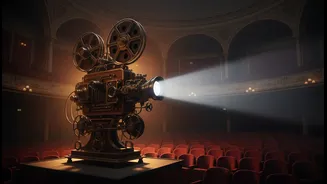
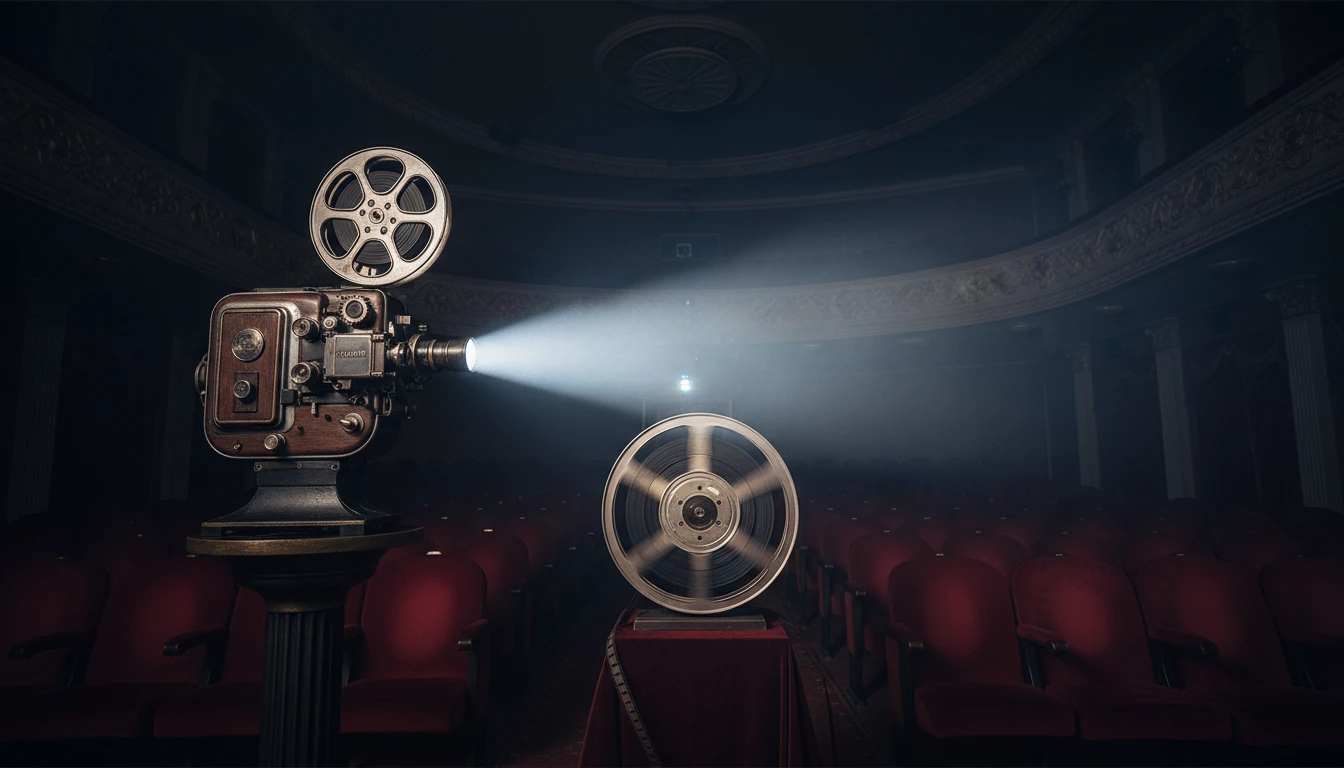
So, if it's the best, why is it so rare? The reasons are a mix of technology, cost, and logistics. IMAX 15/70mm projectors are massive, complex machines that require specially trained projectionists to operate. The film prints themselves are gigantic; a single feature film can weigh hundreds of kilograms and be miles long, requiring custom platter extensions just to be played. When the film industry shifted to digital projection in the 2000s, most theaters dismantled their bulky, expensive film equipment. Maintaining the few remaining 15/70 projectors is a specialized, costly endeavor. As of recent counts, there are only about 25 such projectors in the entire United States and a handful more scattered across Canada, the UK, Australia, and Prague, bringing the global total to that exclusive number around 40.
Nolan’s Cinematic Crusade
No director has done more to keep this format alive than Christopher Nolan. He has called it "the gold standard" of cinema. Starting with sequences in The Dark Knight, he has progressively used more and more IMAX footage in his films, including Interstellar, Dunkirk, and most recently, Oppenheimer. The release of Oppenheimer demonstrated the immense audience appetite for this format, with screenings in IMAX 70mm selling out weeks or even months in advance. Fans traveled hundreds of miles, turning a movie screening into a pilgrimage. This fervent demand proves there is a significant audience that craves the analogue, high-fidelity experience that film provides, even in a world dominated by streaming and digital convenience.