







An Ambitious Fleet Overhaul
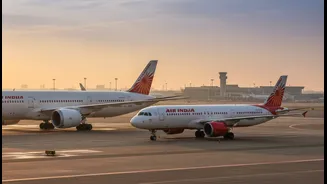
At the heart of the Tata Group’s strategy for its airline division—comprising the merged Air India and Vistara, and the low-cost arm Air India Express—is one of the largest aircraft orders in aviation history. The group has committed to acquiring hundreds
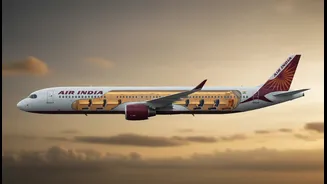
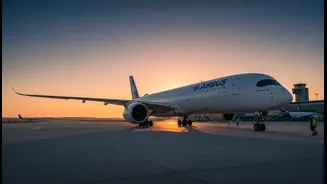
of new planes from Airbus and Boeing. This includes a mix of narrow-body jets like the A320neo and 737 MAX for domestic and short-haul routes, and wide-body aircraft like the Airbus A350 and Boeing 787 for long-haul international expansion. The plan is not just about size but also about modernisation; the airline group aims to induct between 50 and 60 new aircraft annually for the next several years. This rapid intake is complemented by a $400 million project to retrofit dozens of existing wide-body and narrow-body planes with modern cabins, new seats, and better in-flight entertainment.
The Global Delivery Challenge
Placing a massive order is one thing; getting the planes delivered is another. Globally, aircraft manufacturers are facing significant supply chain bottlenecks, labour shortages, and quality control issues that have led to widespread delivery delays. This has forced many airlines worldwide to operate older, less fuel-efficient aircraft for longer than intended, which constrains their growth and increases operating costs. In fact, some reports from mid-2026 suggested that Air India, facing its own financial pressures, was considering deferring some deliveries to manage cash flow. However, the aviation industry is dynamic. Airlines can also negotiate to accelerate deliveries by taking over production slots from other carriers or capitalising on shifts in manufacturing schedules. For a group as ambitious as Tata, securing aircraft faster than rivals is a significant strategic victory.
What Scheduling Flexibility Really Means
So, why does getting a new plane a few months early matter so much? It all comes down to scheduling flexibility. With more modern aircraft on hand, an airline gains immense operational agility. Firstly, it can launch new routes or increase the frequency on existing popular ones much faster. For instance, Air India can more rapidly deploy its flagship A350s on lucrative, high-demand routes like Delhi to New York or London. Secondly, a larger fleet provides a crucial buffer against disruptions. When a plane is grounded for unexpected maintenance, having a spare aircraft available means fewer delays and cancellations, leading to better on-time performance and passenger satisfaction. This reliability is key to rebuilding a premium brand reputation. Finally, it allows for better network optimisation, such as using a fuel-efficient new wide-body for a high-density domestic route during peak hours before its long-haul international flight.
The Competitive Edge in the Indian Market
In the highly competitive Indian aviation market, this flexibility is a weapon. The Tata Airline Group is in a fierce battle for market share with dominant low-cost carrier IndiGo, which is also rapidly expanding its own fleet and international ambitions. A larger, younger fleet gives Air India several advantages. Newer generation aircraft like the A350 are significantly more fuel-efficient, which helps reduce operational costs—a critical factor given volatile fuel prices. It also allows the group to execute its dual-brand strategy more effectively: Air India can focus on connecting major hubs with a premium, full-service product, while Air India Express can expand its network from tier-two and tier-three cities. This two-pronged approach aims to capture a wider segment of the travelling public, from budget-conscious domestic flyers to premium international passengers.
The Direct Impact on Travellers
For passengers, the benefits are tangible. The induction of new and retrofitted aircraft means a vastly improved in-flight experience. We are talking about modern cabins with more comfortable seating, the introduction of a proper Premium Economy class on more international routes, and state-of-the-art entertainment systems. As the fleet grows, travellers can expect more non-stop flight options to international destinations, reducing reliance on connecting flights via Middle Eastern hubs. Recently, Air India announced it was restoring capacity on many routes that had been temporarily suspended, signaling that more aircraft are becoming available for service. This expansion directly translates to more choice, better connectivity, and a more comfortable journey for Indian flyers.