



Arancini, Italy
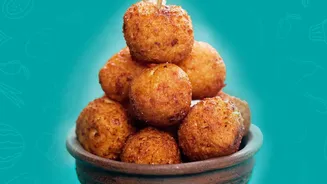
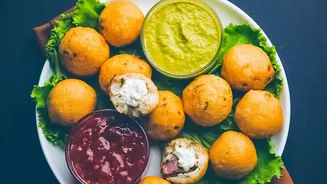
These 'little oranges', as their name translates, are a beloved Sicilian specialty. Arancini are balls of creamy, saffron-infused risotto rice, typically stuffed with a rich ragù of meat and tomato sauce, peas, and molten mozzarella or caciocavallo cheese.
Coated in breadcrumbs and fried to a perfect golden-orange hue, they offer a satisfying crunch that gives way to a soft, flavorful interior. Their origin dates back to 10th-century Sicily when the island was under Arab rule, evolving from a simple rice and lamb dish into the portable, delicious snack sold in food stalls and cafes today.
Churros, Spain and Mexico
Whether for breakfast in Spain or as a sweet snack in Mexico, churros are a global favorite. Made from a simple choux pastry dough of flour, water, and salt, the mixture is piped through a star-shaped nozzle directly into hot oil. This creates their signature ridged texture, which is perfect for catching a dusting of cinnamon sugar. Spanish churros are often served plain, ready for dipping into a cup of thick, rich hot chocolate. The Mexican style often features a more generous coating of cinnamon sugar and can be filled with everything from chocolate to fruit jams.
Tempura, Japan
Tempura is a testament to Japanese culinary artistry, transforming simple ingredients into something ethereal. The technique was introduced to Japan by Portuguese missionaries in the 16th century, but has since become uniquely Japanese. The key to tempura's delicate, lacy crispness is its batter, a minimalist mix of soft flour, egg, and ice-cold water that is barely combined to avoid developing gluten. Seafood like prawns and a variety of vegetables are lightly coated and quickly fried, resulting in a non-greasy, incredibly light crunch. It’s typically served with a dipping sauce called tentsuyu.
Jalebi, India
A jewel-toned sweet found across India and other parts of South Asia, jalebi is as beautiful as it is delicious. A batter made from fermented all-purpose flour (maida) is piped in intricate, pretzel-like spirals into hot oil. Once fried to a crispy texture, the spirals are immediately plunged into a warm sugar syrup, often flavored with saffron, cardamom, or rose water. The result is a treat that's crunchy on the outside while being filled with sweet, sticky syrup. It's a staple at festivals like Diwali and Holi and a popular street food breakfast.
Belgian Frites, Belgium
Don't call them French! Belgians are passionate about their frites, and for good reason. The origin story dates to the late 1600s in the Meuse Valley, where impoverished villagers, unable to fish in the frozen river, began frying potatoes cut into the shape of small fish. The secret to the perfect Belgian frites is the double-fry method. This process creates a fluffy, soft interior and a deliciously crispy, golden exterior. They are traditionally served in a paper cone with a generous dollop of mayonnaise, one of many sauces available at a classic 'frietkot' (fry stall).
Picarones, Peru
Often described as a Peruvian doughnut, picarones offer a unique flavor profile. Their dough is made not from flour alone, but from a puree of sweet potato and a local squash called zapallo. This gives them a distinctively earthy sweetness and a vibrant orange hue. The yeasted dough, often spiced with anise, is formed into rings and deep-fried until puffed and golden. Instead of a sugar glaze, picarones are served hot, drizzled with a generous amount of 'chancaca', a dark, sweet syrup made from unrefined cane sugar and spiced with cinnamon and cloves.
Akara, West Africa
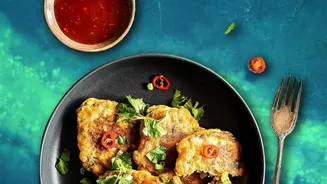
Known as akara in Nigeria and koose in Ghana, these savory fritters are a popular breakfast food and street snack across West Africa. They are made from a simple batter of peeled, blended black-eyed peas, seasoned with onions, peppers, and spices before being deep-fried into golden-brown balls. The result is a snack that is light and fluffy on the inside with a satisfyingly crisp exterior. Packed with plant-based protein, they are often enjoyed on their own, served with a spicy dip, or stuffed into bread for a hearty 'akara burger'.
Bánh Cam, Vietnam
These Vietnamese sesame balls are a delightful study in texture. 'Bánh cam' translates to 'orange cake', named for its round, orange-like shape after frying. The outer shell is made from glutinous rice flour, which gives it a wonderfully chewy texture beneath its crispy, sesame-seed-studded exterior. Inside, you’ll find a sweet, tender filling, typically made from mung bean paste. While the northern Vietnamese version, 'bánh rán', is often served with a sugary syrup, the southern 'bánh cam' is a self-contained sweet treat.
Scotch Egg, United Kingdom
Despite its name, the Scotch egg is widely believed to be an English invention, possibly created by London department store Fortnum & Mason in the 18th century as a portable snack for wealthy travelers. This classic pub and picnic food consists of a soft or hard-boiled egg encased in seasoned sausage meat, which is then coated in breadcrumbs and deep-fried until crisp and golden. Served hot or cold, it’s a hearty, protein-packed snack that has endured for centuries as one of Britain's most iconic culinary creations.
Gogoși, Romania
A popular sweet treat in Romania, gogoși are essentially fried dough balls similar to doughnuts. The name itself is the plural of 'gogoașă', meaning doughnut. The dough is typically leavened and can be flavored with vanilla or citrus zest. They are fried until they are puffy and golden brown on all sides. While some versions are filled with fruit jam, chocolate, or cheese before frying, the simplest street food version is often served plain, dusted generously with powdered sugar. They are a beloved comfort food, enjoyed as a dessert or a quick, satisfying snack.