




The Search for Superior Agility
Agility isn't just for athletes dodging opponents; it's the grace in catching a falling glass, the stability on a crowded train, or the quick pivot to avoid a puddle. It’s a physical conversation between your brain and your body. This dialogue relies
on muscle coordination—a complex system where your nervous system directs multiple muscles to work together seamlessly. To improve this, you need to train not just the muscles, but the neural pathways that control them. Two popular, yet fundamentally different, disciplines that promise to enhance this connection are skipping and yoga. One is a high-energy, rhythmic exercise, while the other is a practice of slow, deliberate control. Understanding how each impacts your body is key to choosing the right tool for your personal fitness goals.
Skipping: The Rhythm of Rapid Response
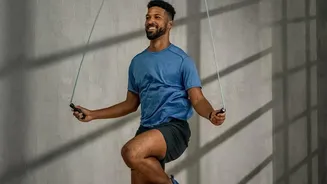
The humble skipping rope is a powerhouse for developing explosive coordination. Each jump is a lesson in plyometrics—quick, powerful movements that train your muscles to produce maximum force in a short time. This activity demands perfect timing between your hands, wrists, and feet. Your brain must learn to create a continuous, rhythmic loop of information, telling your feet to jump just as the rope is about to pass. This constant, repetitive action forges strong neuromuscular pathways, making your body more efficient at quick, reactive movements. The exercise improves balance by forcing your body to make constant micro-adjustments to remain stable on the balls of your feet. This trains your fast-twitch muscle fibers, essential for speed and agility, and enhances your body's ability to absorb and react to impact, a crucial skill in almost every sport.
Yoga: The Art of Mindful Movement
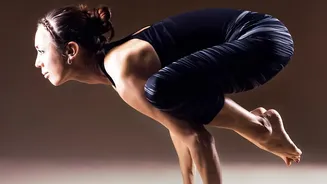
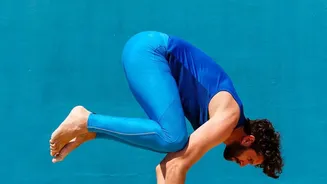
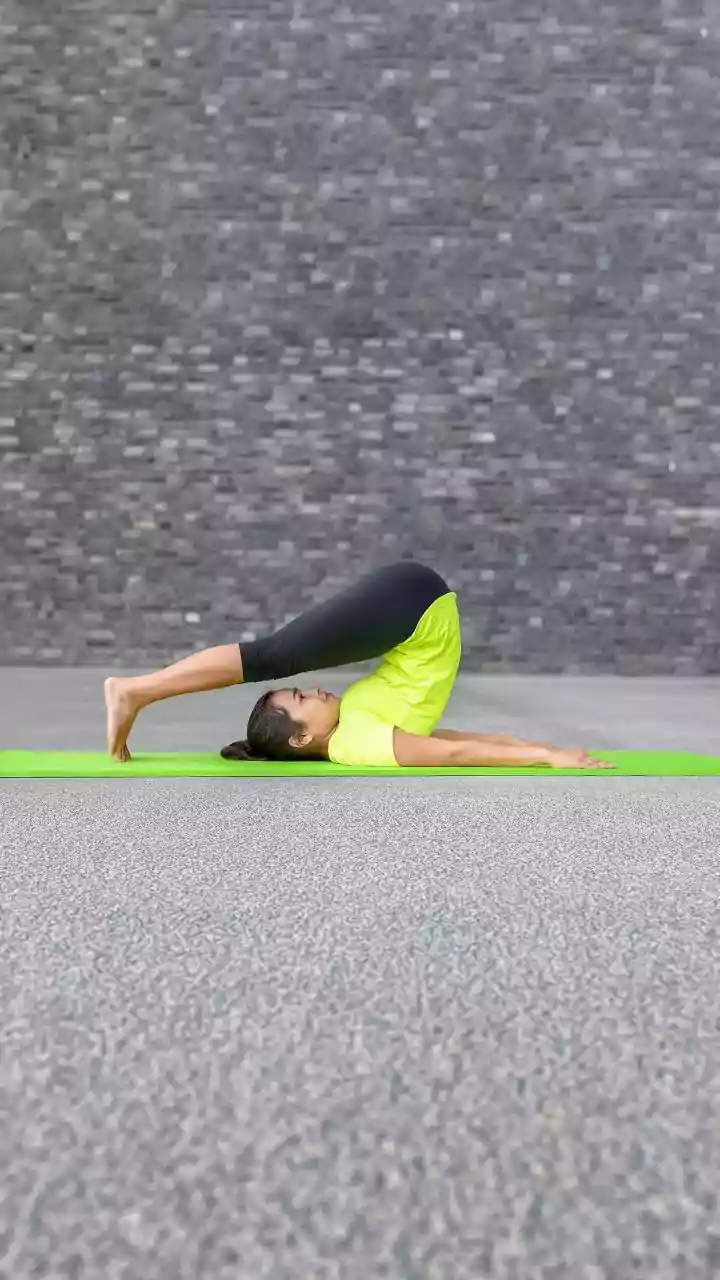
Where skipping builds reactive speed, yoga cultivates controlled stability. Yoga’s impact on coordination comes from its focus on proprioception—your body’s innate sense of its position in space. Poses like Tree Pose or Mountain Pose might look simple, but they challenge your body to maintain balance by engaging small stabilizing muscles in your feet, ankles, and core that are often neglected. The slow, deliberate transitions between postures teach your muscles to work together in a controlled manner, enhancing body awareness. Holding a pose, you become acutely aware of your alignment and weight distribution. This practice doesn't just build strength; it refines the communication between your mind and muscles, allowing for more precise and intentional movements in all aspects of your life, from improving posture to preventing falls.
A Tale of Two Coordination Styles
So, how do they stack up? Think of it as training two different aspects of your nervous system. Skipping is like practicing for a rapid-fire quiz. It trains your body for speed, rhythm, and automatic, unconscious reactions. The goal is to make the complex coordination of jumping and turning the rope so ingrained that it becomes second nature. Studies have shown that this type of training improves the regulation and control ability of the neuromuscular system, which is vital for dynamic balance. Yoga, on the other hand, is like preparing for a thoughtful debate. It trains your body for deliberate action, sustained control, and heightened sensory awareness. You learn to feel exactly which muscles are engaging and how to make subtle adjustments to maintain form and balance. One builds the coordination for a quick sprint; the other builds the coordination for walking a tightrope.
Better Together: The Ultimate Agility Plan
While you can certainly focus on one, the most comprehensive approach to agility may involve embracing both. The two practices are highly complementary. The body awareness and core stability gained from yoga can significantly improve your skipping form and reduce the risk of injury. A more mindful connection to your body helps you land softer and maintain better posture during high-impact exercise. Conversely, skipping adds a dynamic, cardiovascular element that many yoga practices lack. It can improve the stamina and explosive power needed for more advanced yoga sequences. By combining the reactive speed of skipping with the controlled stability of yoga, you create a truly resilient and adaptable body, capable of both powerful bursts and graceful control.