




An Antioxidant Treasure Trove
To understand the buzz around maple syrup, we first need to talk about phenolic compounds. These are naturally occurring chemicals in plants, and many of them act as antioxidants. In the human body, antioxidants help neutralize unstable molecules called
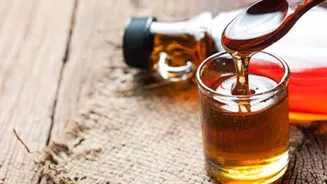
free radicals, which can cause cellular damage and contribute to inflammation and chronic diseases. Researchers have identified dozens of these beneficial compounds in pure maple syrup, including some that are also found in healthy foods like berries, tea, and flaxseed. One particularly interesting compound, named Quebecol, is unique to maple syrup and is formed when the sap is boiled down. Darker grades of syrup generally contain a higher concentration of these valuable antioxidants than lighter ones.
From the Lab to Your Breakfast Table
The discovery of these compounds has led to a flurry of research. In laboratory settings (in vitro studies), extracts from maple syrup have shown impressive potential. Studies have found that these compounds possess anti-inflammatory and antioxidant properties. Some research even suggests they might inhibit the growth of certain cancer cells or make antibiotics more effective. One study found that a maple syrup extract helped protect brain cells in a way that could be relevant to neurodegenerative diseases like Alzheimer's. However, there’s a crucial distinction to be made: these are preliminary results from labs, often using concentrated extracts, not the syrup itself. As of today, there are no large-scale human clinical trials to confirm that eating maple syrup provides these same benefits. The amounts of these compounds in a typical serving might be too small to have a significant impact.
The Unavoidable Sugar Reality
Here's the part of the conversation that can’t be ignored: maple syrup is still, fundamentally, a sugar. A single tablespoon contains around 52 calories and 12 grams of sugar. While it does contain minerals like manganese and zinc, which table sugar lacks, its primary identity is that of an added sugar. Health organizations recommend limiting daily intake of added sugars to no more than 10% of total calories. To get a significant dose of the beneficial phenolic compounds from maple syrup, you would likely need to consume an unhealthy amount of sugar. Dietitians stress that while maple syrup may be a slightly better choice than refined white sugar, it should be consumed in moderation.
How It Stacks Up Against Other Sweeteners
Compared to white sugar, maple syrup has a slight edge. It has a lower glycemic index (around 54, compared to sugar's 65), meaning it raises blood sugar levels a bit more slowly. It also provides those trace minerals and antioxidants that processed sugar is stripped of. When compared to honey, the differences are smaller. They have similar calorie counts and glycemic indexes. Honey contains some vitamins and amino acids that maple syrup lacks, while maple syrup has a higher concentration of minerals like calcium and potassium. Ultimately, both are natural sweeteners that offer marginal nutritional benefits over refined sugar but should still be used sparingly.