


Teff: The Tiny Grain with Mighty Power
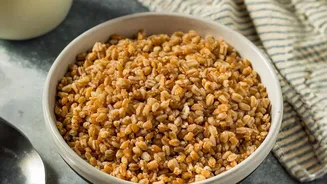
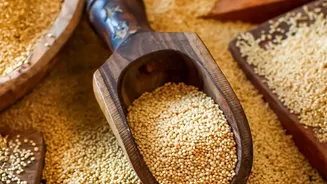
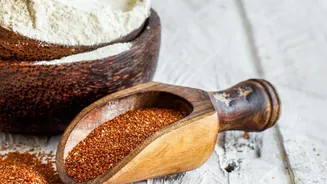
Teff is the heart of Ethiopian cuisine and for good reason. These seeds are tiny—about the size of a poppy seed—but they pack a serious nutritional punch. Available in colours from light ivory to a deep reddish-brown, it has a mild, nutty flavour. Teff is celebrated
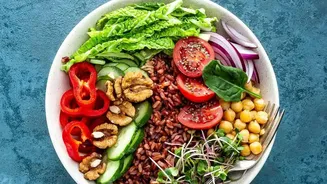
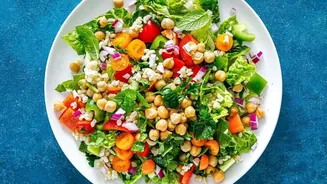
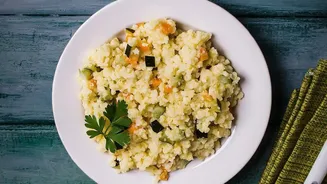
as a protein powerhouse, containing all essential amino acids. It's also exceptionally high in calcium, iron, and fibre. Being naturally gluten-free, it’s an excellent choice for those with dietary sensitivities. The most famous use of teff is to make injera, a spongy, fermented flatbread that is a staple of every Ethiopian meal. Beyond injera, teff's versatility shines. The whole grains can be cooked into a creamy porridge, similar to polenta, or used to add texture to salads and stews. The flour can be blended into batters for pancakes, muffins, and other baked goods, lending them an earthy depth.
Sorghum: The Resilient and Versatile Staple
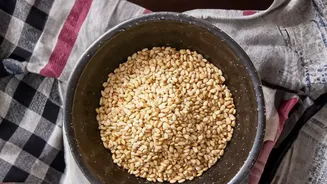
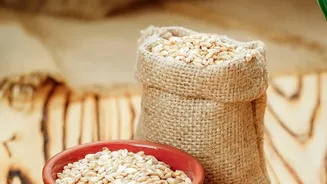
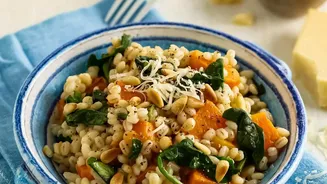
Known as the fifth most important cereal crop in the world, sorghum is a champion of resilience, thriving in arid regions where other crops struggle. In Ethiopia, sorghum is a workhorse grain used to make local breads, porridges, and even traditional fermented beverages. Nutritionally, sorghum is a star. It's rich in protein and fibre, naturally gluten-free, and its edible hull means more of its nutrients are preserved compared to other grains. With a chewy texture and a neutral, slightly sweet flavour, it's an incredibly adaptable ingredient. You can cook whole grain sorghum and use it as a substitute for rice or quinoa in grain bowls and salads. Its flour is also popular in gluten-free baking, adding a delicate sweetness to breads and cookies. In some parts of India, a variety of unleavened bread called Bhakri or Jonna Roti is already made from sorghum, making it a familiar and easy grain to adopt.
Finger Millet (Dagusa): The Sturdy Sibling
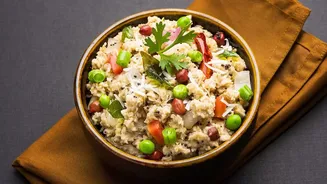
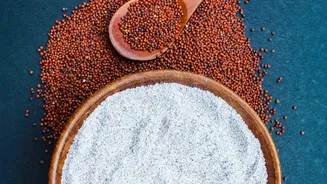
While teff often gets the international spotlight, finger millet, known as Dagusa in Ethiopia, is a hugely important crop farmed across the country. In fact, many people are surprised to learn that teff itself is technically a type of millet. Known as Ragi in India, finger millet is already a familiar ingredient for many, celebrated for its hardiness and nutritional value. Dagusa has brick-red grains and is rich in calcium, iron, and fibre, much like its more famous cousin, teff. It's a staple in Ethiopian households where its flour is often mixed with teff for making injera, adding a deeper flavour and colour. It's also cooked into thick, satisfying porridges that provide energy for hours. For home cooks, this means a world of possibilities. You can simmer whole finger millet grains into a creamy breakfast porridge or use its flour to create nutritious flatbreads, pancakes, and dosas, just as it’s used in many parts of India.