
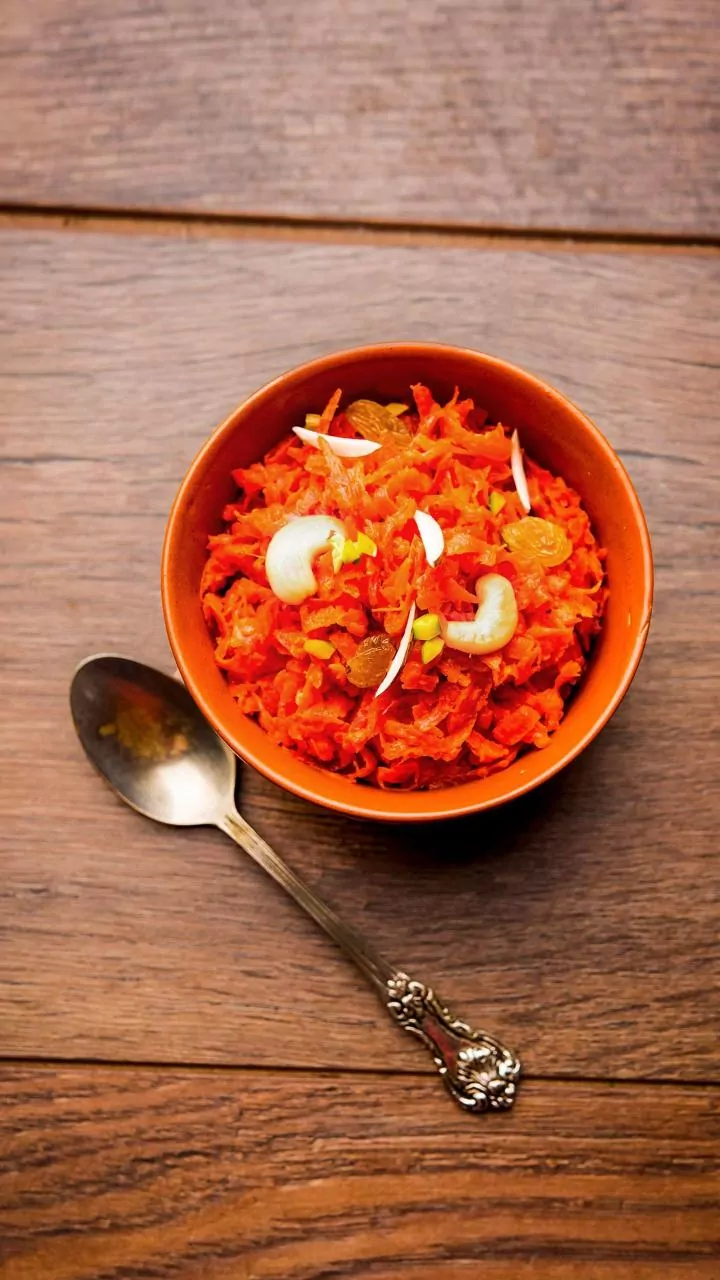
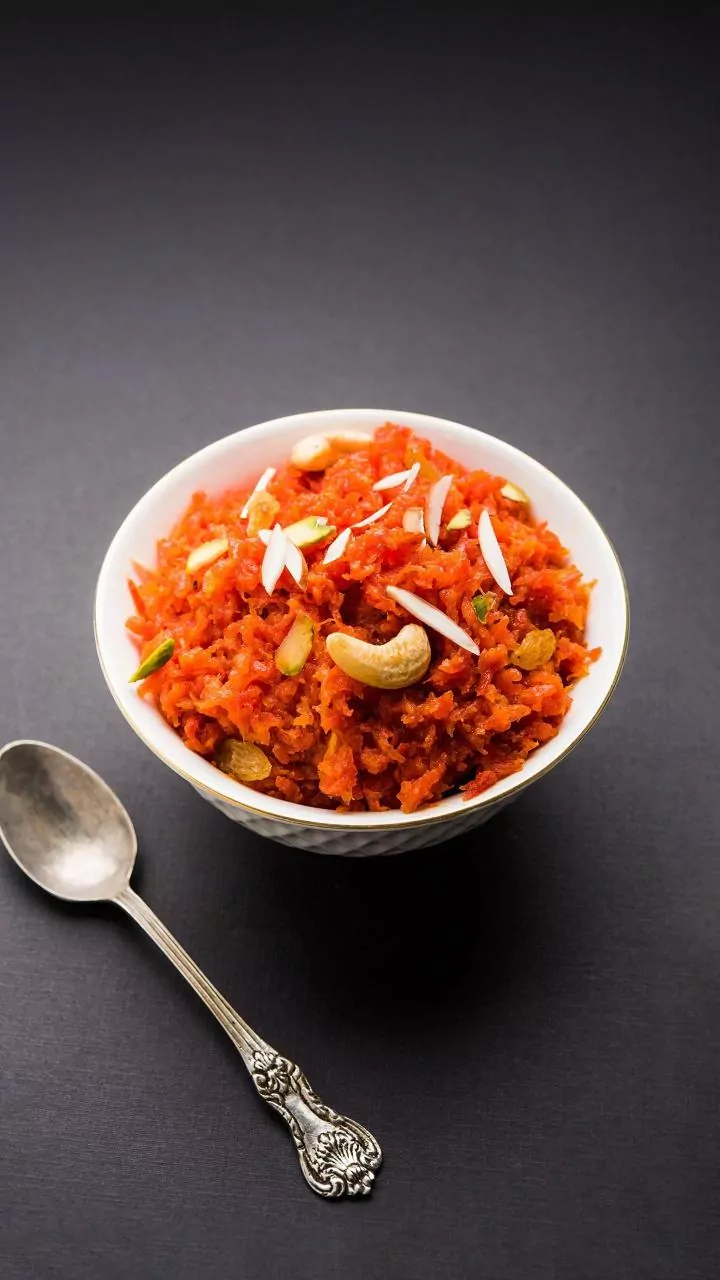


The Potato's Subtle Character
The foundation of this unique halwa is, of course, the potato. Unlike a carrot or a beet, which bring their own inherent sweetness to a dessert, a potato has a very mild, earthy, and neutral flavour profile. Its primary contribution is starch, which creates
a dense, rich texture when cooked down. This neutrality is both a challenge and an opportunity. Without a strong flavour of its own, the potato becomes a canvas, ready to absorb the flavours you introduce. But it also means that if those flavours aren't balanced correctly, the final dish can taste flat or one-dimensional.
Why Sugar Balance is Everything
Because potatoes are not naturally sweet, the role of sugar in Aloo Halwa is paramount. It’s not just for sweetness; it’s for flavour creation. However, this is where many home cooks falter. Adding too little sugar results in a bland, starchy paste that tastes faintly of boiled potato. Adding too much sugar overpowers everything, creating a cloying, heavy dessert that masks the subtle richness of the ghee and the aroma of the cardamom. The goal is to find the sweet spot where the sugar elevates the potato's starchy goodness into a decadent treat without dominating. Many chefs and experienced cooks advise being generous with sugar to properly balance the potato's character.
The Crucial Role of Ghee
Sugar doesn't work alone. The key partner in flavour for Aloo Halwa is ghee. You cannot make this dish with oil; the nutty, rich aroma of pure desi ghee is essential. The process involves sautéing the boiled, mashed or grated potatoes in a generous amount of ghee. Initially, the potatoes will absorb all the fat, but as you continue to cook, a magical transformation happens. The mixture will start to release the ghee, turning golden brown and taking on a beautiful aroma. This step is vital—it cooks out the raw potato taste and infuses the dish with a deep richness that provides the perfect counterpoint to the sugar.
Building Flavour Beyond Sweetness
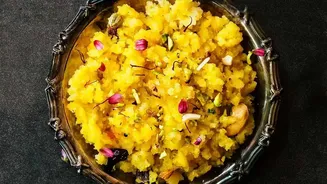
A well-made Aloo Halwa is more than just sweet and rich; it's aromatic and complex. This is where supporting ingredients come in. Cardamom powder is a non-negotiable addition, lending its signature warm, floral scent that cuts through the richness. A few strands of saffron, bloomed in warm milk, can add a luxurious colour and a subtle, honeyed fragrance. Toasted nuts like almonds and pistachios are not just for garnish; they provide a much-needed textural contrast to the smooth, soft pudding. Some recipes also call for milk or khoya (milk solids), which adds another layer of creaminess and a gentler, milky sweetness to the final product.
Tips for Perfect Halwa
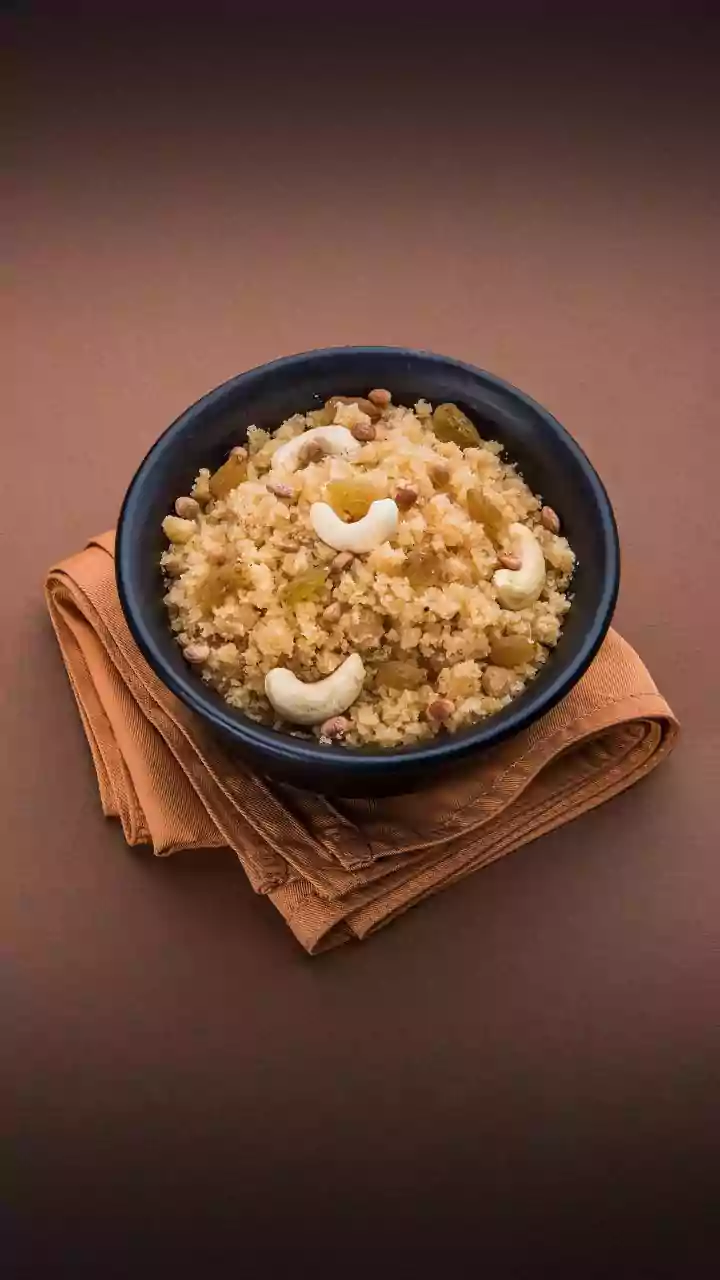
To achieve halwa perfection, a few techniques are key. First, ensure your potatoes are boiled until very soft, making them easy to mash or grate without lumps. Using a non-stick or heavy-bottomed pan is crucial to prevent the starchy mixture from sticking and burning. When you add the sugar, the mixture will become liquidy and loose. Don't panic; this is normal. Keep stirring continuously over a medium flame. The halwa is ready when it pulls away from the sides of the pan and the ghee starts to separate out again—a sign that the sugar has caramelized correctly and the texture is perfect.