






First, What Is E20 Fuel?
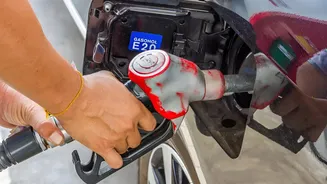
E20 is petrol blended with 20% ethanol, an alcohol-based biofuel typically produced from agricultural sources like sugarcane and maize. India has been progressively increasing the ethanol content in its fuel for years, moving from E5 (5% ethanol) to E10
and now standardising E20 nationwide since 2025. The government's goals are threefold: reduce the country's massive oil import bill, lower carbon emissions, and provide an additional source of income for farmers. According to Union Minister Hardeep Singh Puri, the transition has been gradual and scientifically backed, not a sudden switch.
The Government's Reassurance
In response to growing concerns on social media about engine damage and performance, the government has been on the front foot. In a recent statement to Parliament, Minister of State for Petroleum and Natural Gas Suresh Gopi confirmed that over 23 crore vehicles—including 20 crore two-wheelers and 3 crore cars—have been running on ethanol-blended petrol. The key message is that there is no verified evidence of widespread engine failure, abnormal corrosion, or reduced vehicle life attributable to E20. This assessment is based on extensive studies and field data from organisations like the Automotive Research Association of India (ARAI) and major auto manufacturers.
So, Is It Safe for Your Vehicle?
This is the most critical question for vehicle owners, and the answer is nuanced. All new vehicles sold in India since April 2023 are required to be fully E20-compliant. You can verify this by checking for a sticker on the fuel flap or consulting your owner's manual. For vehicles manufactured before this date, the situation is more complex. Many of these vehicles were designed for E10 fuel. While government and industry data suggests even these older vehicles haven't experienced 'mass failures', the primary concern is the long-term effect on non-metallic components. Prolonged exposure to higher ethanol concentrations can accelerate the degradation of certain rubber and plastic parts like fuel hoses and seals in cars not designed for it.
Understanding the Real Risks
While the government dismisses claims of mass failure, it does acknowledge some realities. One is a marginal drop in fuel efficiency. Because ethanol has a lower energy density than petrol, a drop of 1-6% in mileage is expected, according to ARAI estimates. This is far from the 30-40% losses claimed in some viral videos. Another significant risk, often misattributed to E20 itself, is fuel contamination. Ethanol is 'hygroscopic', meaning it absorbs water. If water enters a petrol station's underground storage tank, the ethanol can separate from the petrol and form a water-ethanol mixture at the bottom, which can cause serious engine problems if pumped into a vehicle. Automakers have pointed to this contamination, not the E20 blend, in several widely publicised breakdown cases.
What Should You Do?
For owners of cars made after April 2023, using E20 should not be a concern as your vehicle was built for it. For owners of older vehicles (pre-April 2023), the advice is to be vigilant. First, confirm your vehicle's E20 compatibility with the manufacturer. While many manufacturers have stated that even their older models have E20 'material compliance' and should not face immediate issues, it's best to be sure. Pay attention to your vehicle's performance and be mindful of where you refuel, sticking to reputable stations to minimize the risk of contaminated fuel. The government has stated that using the nationally mandated fuel cannot be grounds for an insurer to deny a claim, providing some consumer protection.