



The Foundation of the Feast
India’s breakfast traditions are fundamentally shaped by its agriculture and geography. The country can be broadly divided by its primary grain cultivation. The fertile plains of the north are the heartland of wheat. In contrast, the southern and eastern
states, with their wetter climates, rely heavily on rice. Meanwhile, the more arid regions of the west and parts of the Deccan Plateau have historically depended on hardy millets like bajra (pearl millet) and jowar (sorghum). This trio of grains—rice, wheat, and millets—forms the bedrock of the nation's first meal of the day. But it's the sheer ingenuity in how each region transforms its local staple that creates such a kaleidoscope of flavours and textures. It isn’t just about what is grown, but what is made from it.
The Southern Art of Rice and Fermentation
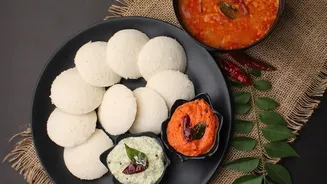
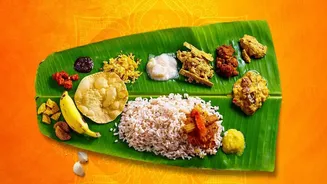
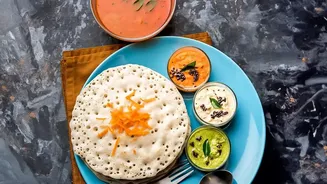
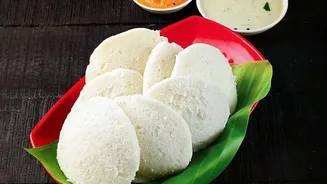
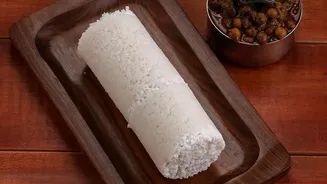
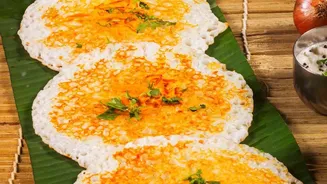
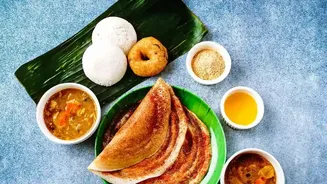
In South India, rice is more than just a grain; it's a canvas for culinary art, often transformed through the magic of fermentation. The same basic ingredients of rice and lentils (urad dal) are soaked, ground, and fermented to create a versatile batter. This single batter is the source of multiple breakfast icons. Steamed in moulds, it becomes soft, fluffy idlis—light, digestible, and a universal favourite. Spread thinly on a hot griddle, it turns into a crispy, golden-brown dosa. A slightly thicker, pancake-style version yields a soft uttapam, often studded with onions, tomatoes, and chillies. In Kerala, you'll find delicate, lacey appams made from a fermented batter of rice flour and coconut milk, traditionally served with a vegetable stew. This process of fermentation not only creates distinct textures but also makes the nutrients in the grains easier to digest.
The Northern Wheat Heartland
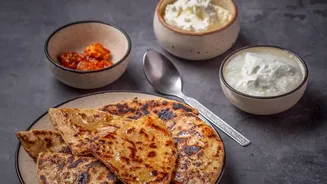
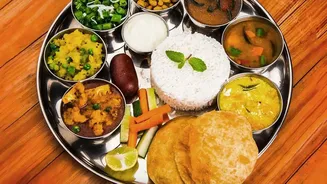
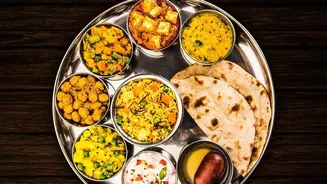
Travel north, and wheat takes centre stage. The most iconic North Indian breakfast is arguably the paratha, a layered flatbread cooked on a griddle. Made from whole wheat flour, it can be served plain with a dollop of butter or curd, or stuffed with an endless variety of fillings. Popular versions include aloo paratha (spiced potato), gobi paratha (cauliflower), and paneer paratha (Indian cheese). Another wheat-based favourite is poori, a deep-fried bread that puffs up into a golden orb, typically served with a spicy potato curry (aloo sabzi) or chole (chickpea curry). While both originate from the same staple, the preparation method—shallow-frying for parathas versus deep-frying for pooris—results in completely different textures and eating experiences, showcasing wheat's incredible adaptability.
Beyond Rice and Wheat
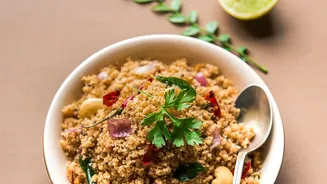
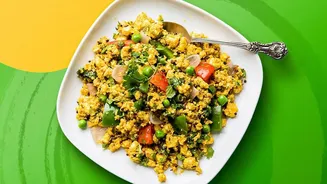
The diversity doesn't stop with rice and wheat. In states like Maharashtra and Madhya Pradesh, flattened rice flakes, known as poha, are gently sautéed with onions, peanuts, and spices for a light yet filling start to the day. In Gujarat, the staple is often gram flour (besan), which is fermented and steamed to create the spongy, savoury cakes known as dhokla. The arid climate of Rajasthan makes it a haven for millets. Bajra roti (pearl millet flatbread) is a common breakfast item. In Bihar, roasted gram flour (sattu) is used as a nutritious stuffing for parathas. These dishes are a testament to how local climates and crops have given rise to unique and delicious breakfast solutions that go far beyond the usual suspects.
A Modern Breakfast Melting Pot
Today, India's breakfast scene is more dynamic than ever. Urbanisation and migration mean you no longer have to travel to Chennai for a perfect dosa or to Amritsar for a hearty paratha. These regional specialities are now available across the country, a delicious outcome of cultural exchange. There is also a growing health-consciousness that is leading to a resurgence of ancient grains. Millets like ragi (finger millet), jowar, and bajra are being celebrated for their high nutritional value and are finding their way into modern breakfast bowls, dosas, and idlis. This revival brings the story full circle, reconnecting modern Indians with the hardy, sustainable grains that have nourished their ancestors for centuries, ensuring the nation's breakfast table remains as diverse and adaptable as its people.