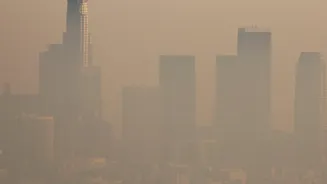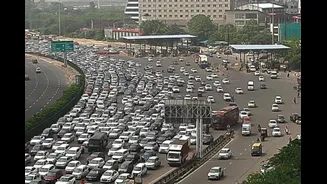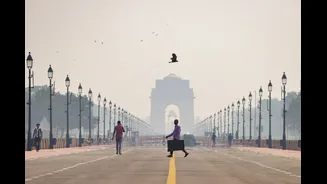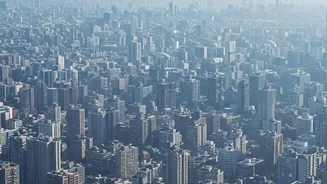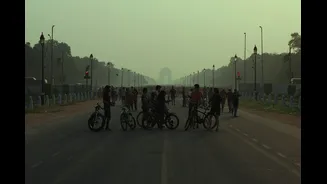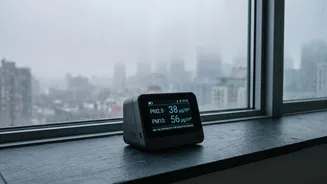





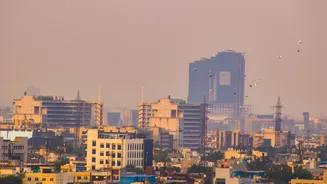
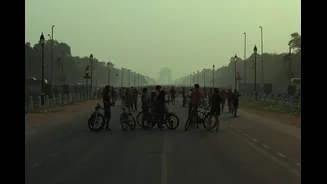
As winter descends, a familiar grey haze blankets Delhi. Daily air quality reports are filled with talk of PM2.5 and PM10, but what are these pollutants, and why do they dominate the conversation about our health? Here's what you need to know.
Understanding PM2.5 and PM10
Particulate
matter, or PM, refers to tiny solid or liquid particles suspended in the air. The numbers '2.5' and '10' refer to their size in micrometres. PM10 particles, with a diameter of 10 micrometres or less, are considered 'coarse' particles. They include dust from construction sites, roads, and other industrial sources. PM2.5 particles are much smaller and more dangerous. With a diameter of 2.5 micrometres or less—about 30 times thinner than a human hair—these 'fine' particles primarily come from combustion sources like vehicle exhaust, industrial emissions, and the widespread burning of crop stubble. Their minuscule size is what makes them a significant health threat.
The Unseen Health Dangers
While both types of particles are harmful, their size determines how they affect our bodies. PM10 particles are larger and tend to get trapped in the upper respiratory tract, causing irritation in the nose, eyes, and throat. The real danger lies with PM2.5. These fine particles can bypass the body's natural defences and travel deep into the lungs. From there, they can even enter the bloodstream, leading to severe health complications. Short-term exposure can trigger coughing, shortness of breath, and worsen conditions like asthma. Long-term exposure is linked to more serious issues, including chronic respiratory diseases, cardiovascular problems like heart attacks and strokes, and even lung cancer. Children, the elderly, and individuals with pre-existing heart or lung conditions are especially vulnerable.
Delhi's Worsening Air: A Winter Crisis
Delhi's air quality has been deteriorating, with the average Air Quality Index (AQI) in early November 2026 frequently falling into the 'very poor' and 'severe' categories. On November 5th, the city's average AQI was recorded at 369, with many areas like Jahangirpuri, Punjabi Bagh, and RK Puram registering 'severe' levels above 400. Both PM2.5 and PM10 have been identified as major pollutants. Forecasts from the Air Quality Early Warning System suggest the air quality is likely to remain in the 'severe' category through November 8th. This annual crisis is driven by a perfect storm of factors: smoke from stubble burning in neighbouring states like Punjab and Haryana, which can contribute up to 20% of Delhi's pollution, lower temperatures and calm winds that trap pollutants close to the ground in a phenomenon known as temperature inversion, and local emissions from vehicles and construction.
Government Measures and Your Safety
In response, the government has implemented its Winter Action Plan, which runs from November 2026 to February 2027. The Commission for Air Quality Management (CAQM) has directed restrictions on dust-generating construction activities and mandated a 50% work-from-home policy for many offices until November 20 to reduce traffic emissions. Other measures include a ban on non-BS-VI vehicles entering the city and doubled parking fees to discourage private vehicle use. For residents, personal precautions are crucial. Monitor the AQI daily using official apps and websites. On days with 'very poor' or 'severe' air quality, it is essential to limit outdoor exposure, especially for children and the elderly. Avoid strenuous outdoor exercise, particularly during the highly polluted morning and evening hours. If you must go out, wear a well-fitting N95 or N99 mask, as simple cloth masks are ineffective against fine particulate matter. Using air purifiers with HEPA filters at home can significantly improve indoor air quality.