
A Miracle That Blooms Every 12 Years
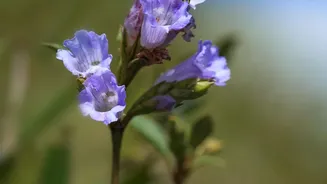
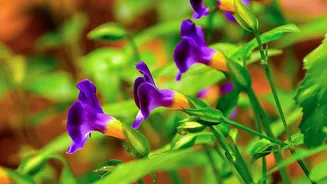
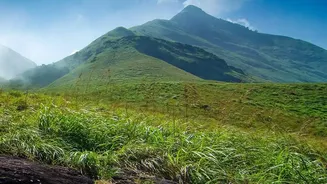
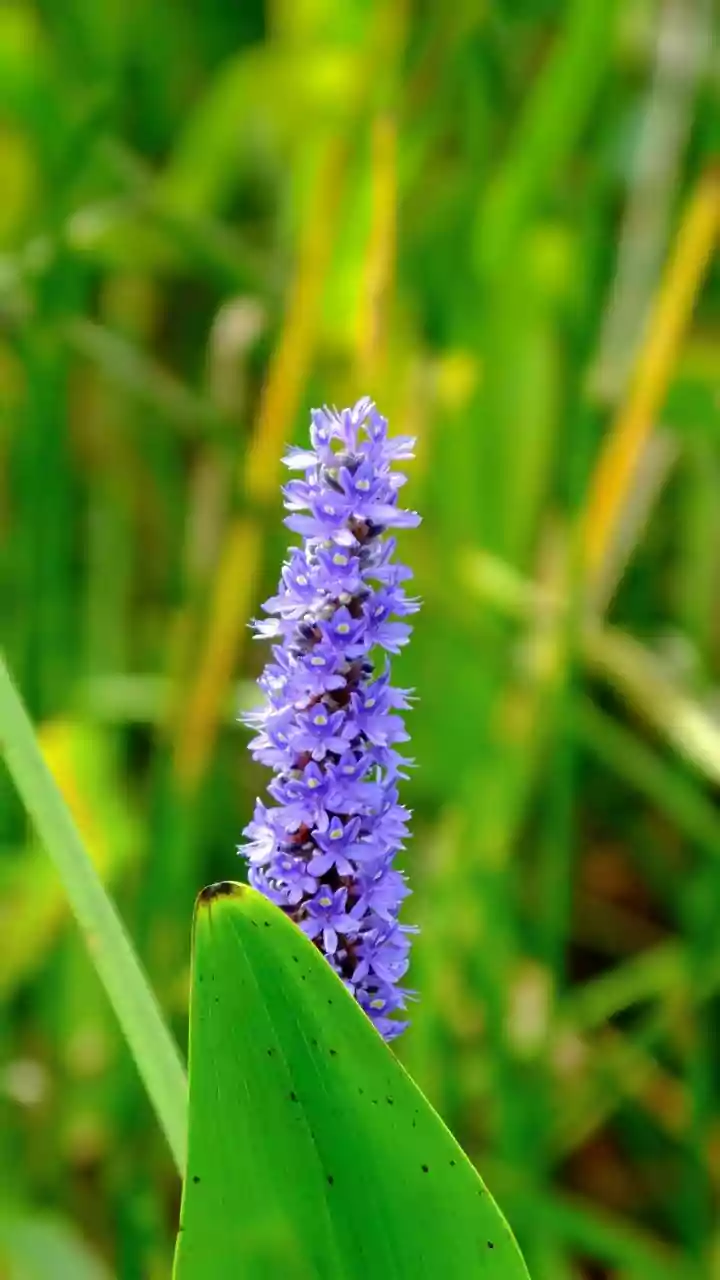
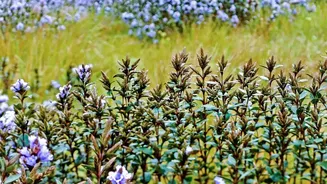
The Neelakurinji, or Strobilanthes kunthiana, is a shrub found in the shola grasslands of the Western Ghats. Its name itself tells its story: ‘Neela’ means blue and ‘Kurinji’ is the local name for the flower. What makes it so special is its highly unusual
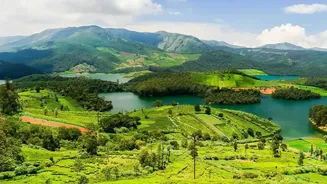
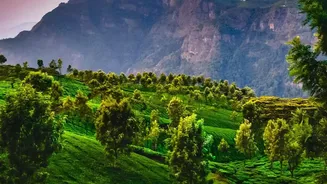
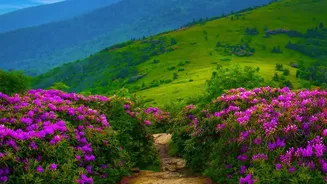
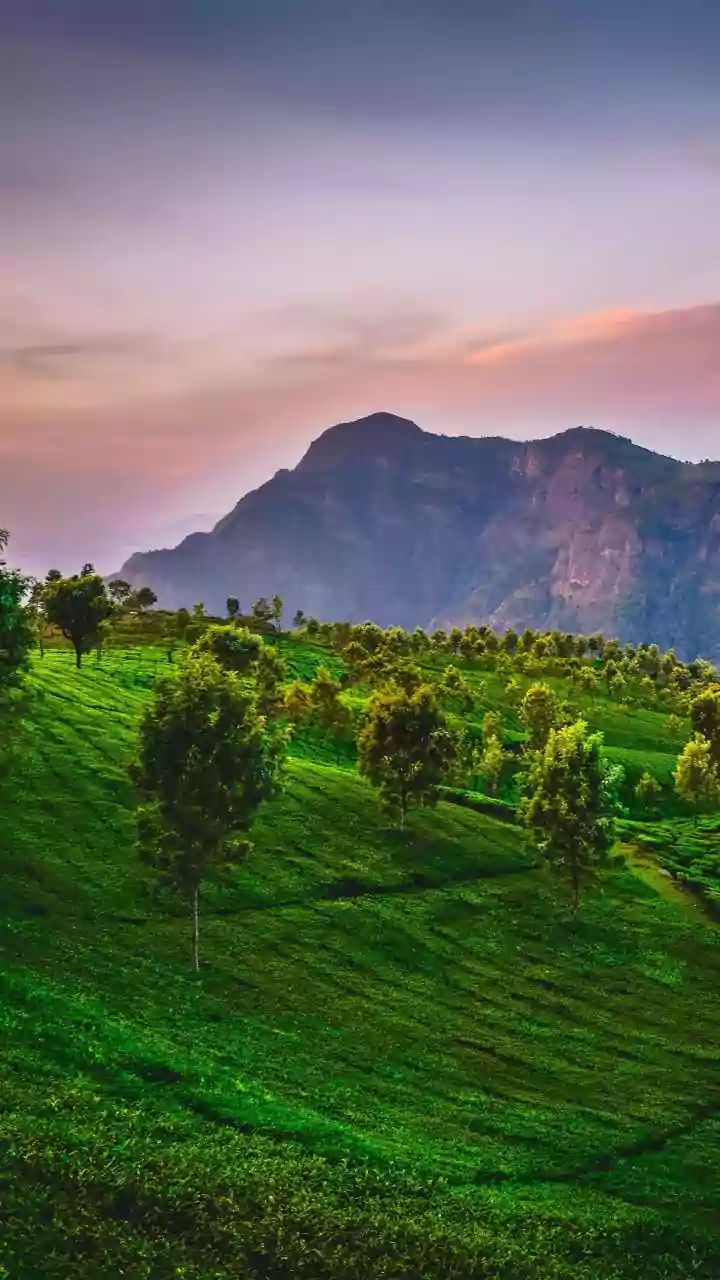
blooming cycle. The plant flowers gregariously only once every 12 years, after which it dies and regenerates from its seeds, beginning the long wait all over again. This rare, synchronized blooming transforms entire hillsides into a breathtaking sea of colour, a phenomenon so consistent that the Paliyan tribal people of Tamil Nadu traditionally used it to track their age. The Nilgiri Hills, which literally translate to 'Blue Mountains', are believed to have earned their name from this very spectacle.
An Ecosystem Under Threat
This natural wonder is now facing serious threats. The Neelakurinji has been officially classified as a 'Vulnerable' species by the International Union for Conservation of Nature (IUCN). The primary dangers are habitat loss due to the expansion of plantations, infrastructure projects, and the invasion of exotic plant species. Unregulated tourism during the flowering season adds immense pressure. Hordes of visitors often lead to the trampling of young plants, accumulation of plastic waste, and disturbance of the fragile shola ecosystem. Plucking the flowers, a seemingly harmless act, prevents the plant from seeding, thereby destroying the next generation and disrupting the 12-year cycle. The plant's deep root system is also crucial for preventing soil erosion on the hilly terrain, making its protection vital for the stability of the entire landscape.
Official Guidelines for Visitors
Recognising these threats, authorities have stepped up conservation efforts. The plant is now listed under Schedule III of the Wildlife (Protection) Act, making it a protected species. In July 2026, the Tamil Nadu Forest Department restricted public access to several blooming areas in the Gudalur forest division, including Nadugani and O'Valley, due to the plant's protected status and the heavy movement of wild elephants in those corridors. Officials have issued strict warnings that plucking Neelakurinji flowers or damaging the plants is a punishable offence, which can lead to fines and even imprisonment. Tourists are urged to cooperate with these regulations, which are designed not only to protect the flower but also to ensure visitor safety from potential human-wildlife encounters.
How to Be a Green Tourist
Enjoying the Neelakurinji bloom comes with a responsibility to preserve it. The golden rule is simple: leave no trace. Stick strictly to designated paths to avoid trampling the delicate shrubs. Do not, under any circumstances, pluck the flowers or uproot the plants; they will not survive at lower altitudes and are essential for the ecosystem's regeneration. Carry all your waste, especially plastics, back with you. Bags are often checked at entry points to national parks like Eravikulam, and plastics are not allowed inside. Avoid making loud noises that can disturb local wildlife. Instead of using a drone or trying to get a selfie in the middle of a flower bed, use a zoom lens from the path. Hiring local guides can provide a richer experience while ensuring you stay within permitted areas.
Protecting a Shared Heritage
The Neelakurinji is more than just a beautiful flower; it is an indicator of the health of the Western Ghats, a UNESCO World Heritage Site. Its survival is intertwined with that of the unique shola-grassland ecosystem and its inhabitants, including the endangered Nilgiri Tahr. The recent restrictions and conservation efforts highlight a growing awareness of the need for sustainable tourism. By following the rules and spreading awareness, every visitor can play a part in ensuring that these hills continue to turn blue for generations to come. The goal is to move from extractive tourism to a more mindful appreciation of nature's wonders.