


Comfort Is the New Queen
For many young Indians, the biggest barrier to wearing traditional clothes more often has been practicality. A classic saree requires skillful draping, and a heavy, multi-layered lehenga can be cumbersome for an evening of dancing. The modern, urban lifestyle
demands comfort and freedom of movement. Enter Indo-Western fusion wear, which prioritizes lightweight fabrics and functional designs. Think pre-draped sarees that can be slipped on like a gown, lehengas with pockets, and breathable materials like chiffon, georgette, and linen that replace heavier silks and brocades. This shift isn’t about rejecting tradition, but adapting it to a life in motion.
The New Silhouettes on the Block
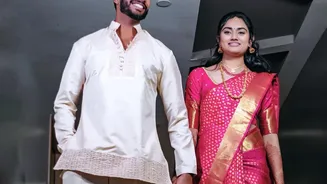
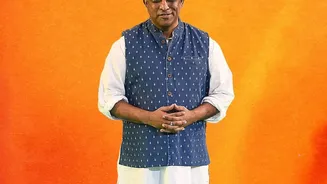
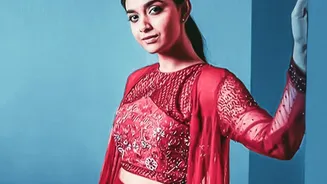
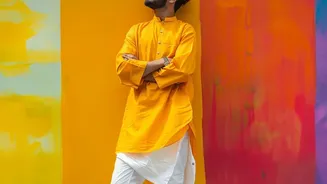
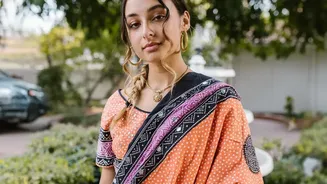
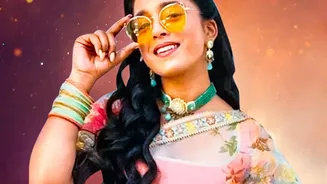
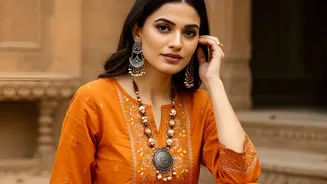
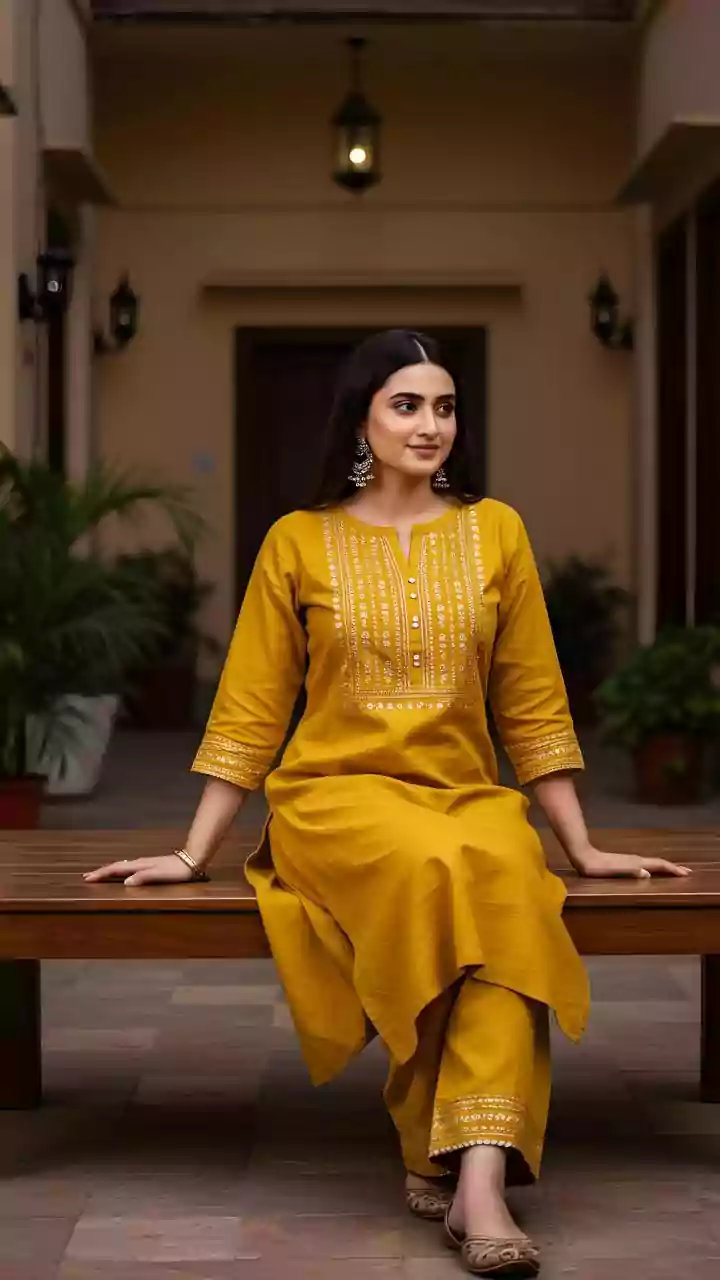
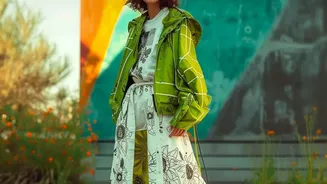
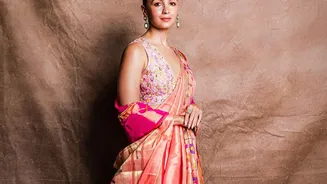
The most visible change is in the silhouettes themselves. Western tailoring has introduced more structured and form-fitting cuts to traditionally fluid garments. The classic choli (blouse) is frequently replaced by a contemporary crop top, a structured corset, or even a peplum top. The lehenga skirt might be paired with a tailored jacket or blazer instead of a dupatta (scarf). Saree gowns, which combine the drape of a saree with the structure of a Western dress, have become a red-carpet and wedding favorite. You'll also see kurtas (tunics) paired not with traditional salwar pants, but with sleek cigarette pants, wide-legged palazzos, or even denim for a casual-chic look.
From Festive Occasions to Everyday Style
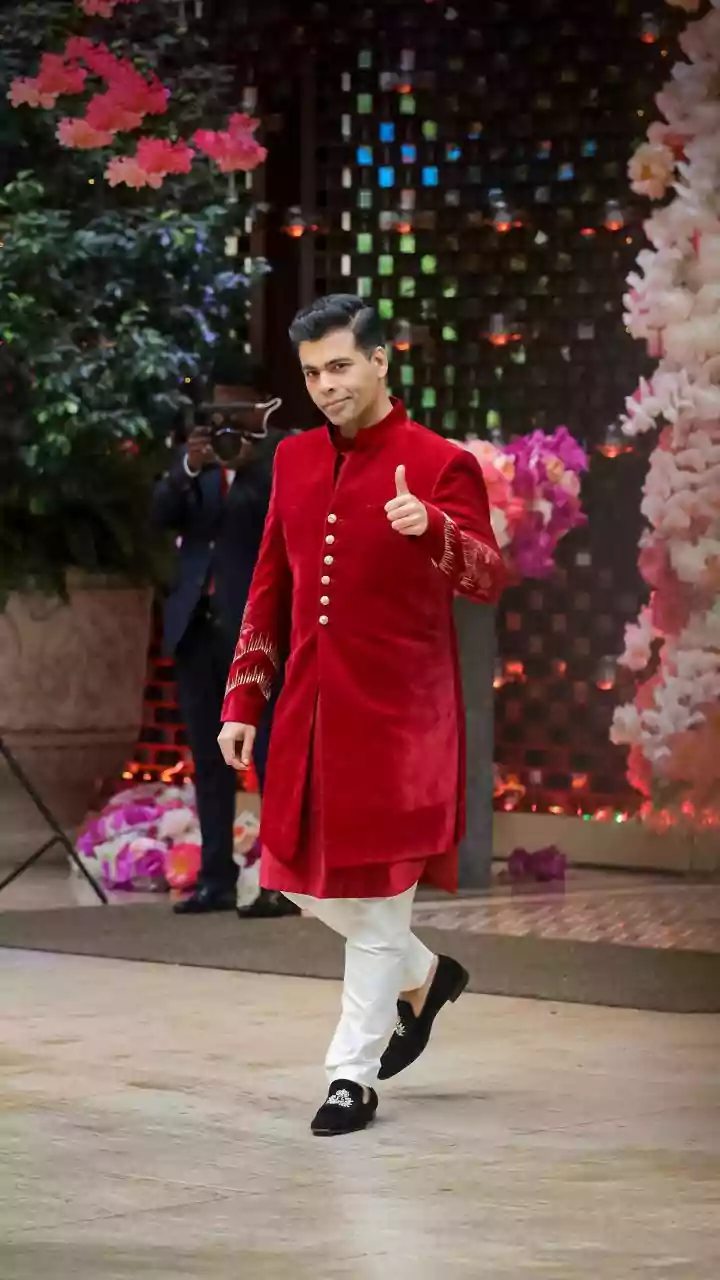
This fusion of styles has dramatically expanded the versatility of ethnic wear. Outfits that were once reserved for weddings and religious festivals are now being adapted for cocktail parties, office events, and even casual outings. A kurta with structured pants can be professional enough for the workplace, while a jacketed lehenga feels right at home at a formal reception. This adaptability is key for a generation that values a multi-purpose wardrobe. Designers are creating modular pieces, like embroidered capes or jackets, that can be layered over both Indian and Western outfits, further blurring the lines and maximizing wearability.
A Statement of Global Identity
Ultimately, the rise of Indo-Western fashion is more than a trend; it's a cultural statement. For young Indians, many of whom navigate a globalized world, this style of dress is an authentic reflection of their identity. It’s a way to honor their rich cultural heritage—celebrating traditional Indian craftsmanship, textiles, and embroidery—while embracing a modern, forward-looking perspective. This fashion movement shows that tradition isn't a rigid, unchanging artifact. Instead, it’s a living, breathing concept that can evolve, adapt, and blend with new influences without losing its soul. It's a confident declaration of being rooted in heritage yet comfortably at home anywhere in the world.