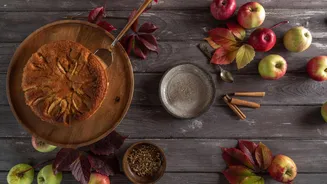








Often associated with holiday baking, the humble clove is a powerhouse of aromatic warmth waiting to elevate your desserts year-round. This guide will help you move beyond the festive season and master this potent spice.
Beyond the Holiday Ham
When you think of cloves, you might
picture a studded holiday ham or a simmering pot of mulled wine. While it excels in these festive roles, clove is a remarkably versatile spice that can bring surprising depth and sophistication to everyday desserts. Its flavor profile—warm, sweet, pungent, and slightly bitter—can cut through the richness of custards, complement the sweetness of fruits, and add a complex aromatic layer to simple cookies and cakes. The key is understanding how to use its assertive personality without letting it overwhelm the dish. Used correctly, it transforms the familiar into something special, adding a finishing touch that is both comforting and intriguing.
Ground vs. Whole: A Tale of Two Cloves
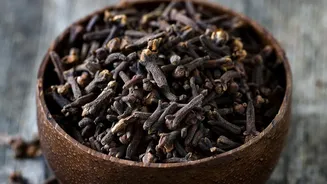
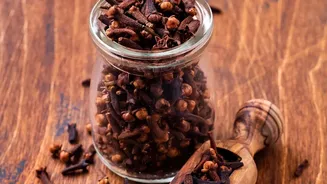
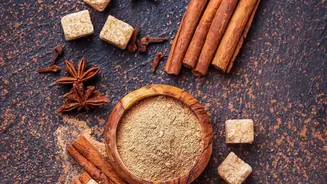
Choosing between ground and whole cloves depends on your culinary goal. Whole cloves are the dried, unopened flower buds of the clove tree and are best for slowly infusing liquids. Think of steeping them in milk for a custard or a simple syrup for poaching fruit. They release their flavor gradually, but remember to remove them before serving, as biting into one is an unpleasantly woody and potent experience. Ground cloves, on the other hand, offer a more immediate and intense burst of flavor, making them ideal for mixing directly into batters and doughs for cakes, cookies, and quick breads. However, ground cloves lose their potency faster than whole ones, so it's best to buy them in small quantities or grind them yourself from whole buds for the freshest taste.
Mastering the Art of Restraint
The most important rule of baking with cloves is that a little goes a long way. Its primary flavor compound, eugenol, is incredibly powerful. Using too much can result in a taste that is medicinal or even metallic. A good starting point for baked goods is about a quarter-teaspoon of ground cloves per cup of flour or for every two cups of flour in a recipe. This is enough to provide a noticeable warmth without dominating the other flavors. If a recipe calls for one teaspoon of whole cloves, you can typically substitute it with about three-quarters of a teaspoon of ground cloves. If you do accidentally add too much, you can sometimes balance the flavor by adding sweetness with sugar or honey, a touch of acidity with lemon juice, or a creamy element like butter or coconut milk.
Perfect Pairings for Clove
Clove is a team player and shines brightest when paired with complementary flavors. It has a natural affinity for other warm spices like cinnamon, nutmeg, ginger, and allspice. This is why it's a cornerstone of spice blends such as pumpkin pie spice and gingerbread seasoning. Beyond the spice rack, clove pairs beautifully with a wide range of fruits, particularly apples, pears, oranges, and stone fruits like peaches and plums. Its aromatic notes also complement the richness of chocolate, the earthiness of pumpkin and sweet potato, and the nuttiness of walnuts and pecans. For an unexpected but delightful combination, try pairing a hint of clove with lemon in cookies or glazes.
Inspiration for Your Kitchen
Ready to start baking? Here’s how clove can enhance the desserts mentioned in the headline. For cakes, especially spice cakes, gingerbread, or carrot cake, ground cloves add a deep, resonant warmth. In cookies, like old-fashioned spice cookies or molasses crisps, cloves provide that nostalgic, aromatic bite that is both comforting and addictive. For custards, from classic baked custard to crème brûlée or panna cotta, infusing the milk or cream with a few whole cloves (along with a cinnamon stick and vanilla bean) creates a subtle, elegant, and aromatic base that elevates the entire dessert.