





The Scale of Kitchen Waste
Food waste is a global issue, and households are significant contributors. According to the UN Environment Programme's 2024 Food Waste Index Report, Indian households generate around 78.2 million tonnes of food waste annually. This works out to approximately
55 kg of food wasted per person every year. While this per capita figure is less than in some Western countries, India's large population makes it the second-largest contributor to household food waste globally, after China. A major driver of this is poor meal planning and over-purchasing, which leads to food spoiling before it can be used. This isn't just a waste of food and money; it's an environmental concern, as food decomposing in landfills releases potent greenhouse gases.
Start with a Plan
The most effective way to combat food waste is to prevent it in the first place, and that begins with a meal plan. Before you even think about writing a grocery list, take stock of what you already have. Check your pantry, fridge, and freezer. Plan your week's meals around ingredients that need to be used up first. This simple habit reduces impulse buys and ensures you purchase only what you need. A flexible plan works best. Instead of assigning a strict meal to each day, list the meals you'll make during the week and decide on the day based on your cravings and schedule. This approach prevents the rigidity that causes many meal plans to fail.
Decode Serving Sizes
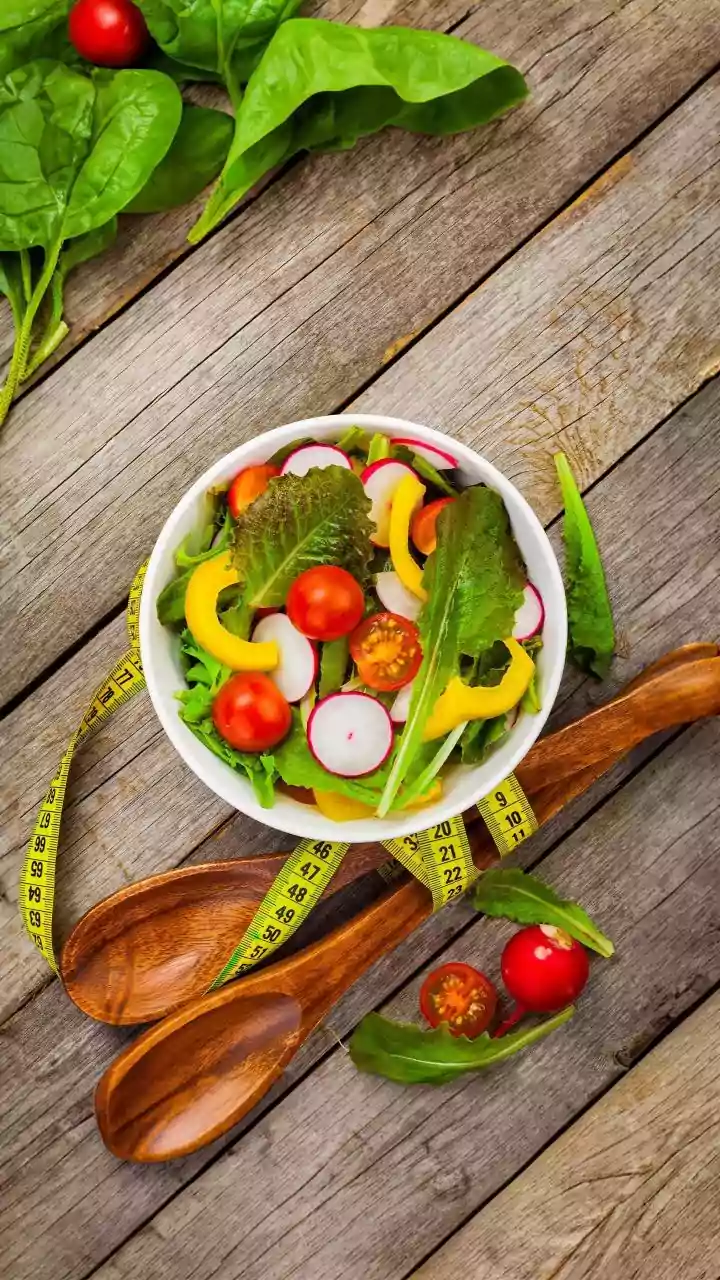
One of the main reasons we cook too much is a misunderstanding of portion sizes versus serving sizes. A serving size is a standardized amount found on nutrition labels, while a portion is the amount you choose to eat. Often, especially in restaurants, a single portion can contain multiple servings. At home, we can be more mindful. Use measuring cups and a kitchen scale to understand what a true serving of rice, pasta, or lentils looks like. Over time, you’ll get better at eyeballing correct amounts. Visual cues can also help: a fist-sized portion is roughly one cup, while a palm-sized portion is a good measure for cooked meat.
Embrace Strategic Cooking
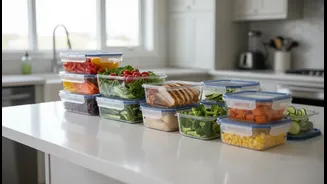
Planning your portions doesn't mean you can't have leftovers. The key is to make them intentional. If you know you won't have time to cook on a busy weeknight, plan to make a larger batch of a recipe that reheats well. This is different from accidentally making too much and hoping it gets eaten. Another strategy is to 'cross-utilize' ingredients across several dishes for the week. That big bunch of coriander can be used in a dal, a chutney, and as a garnish for a sabzi, ensuring none of it goes to waste. Pre-chopping vegetables and storing them properly can also make you more likely to use them before they spoil, saving time and reducing stress.
Use Smaller Dishes
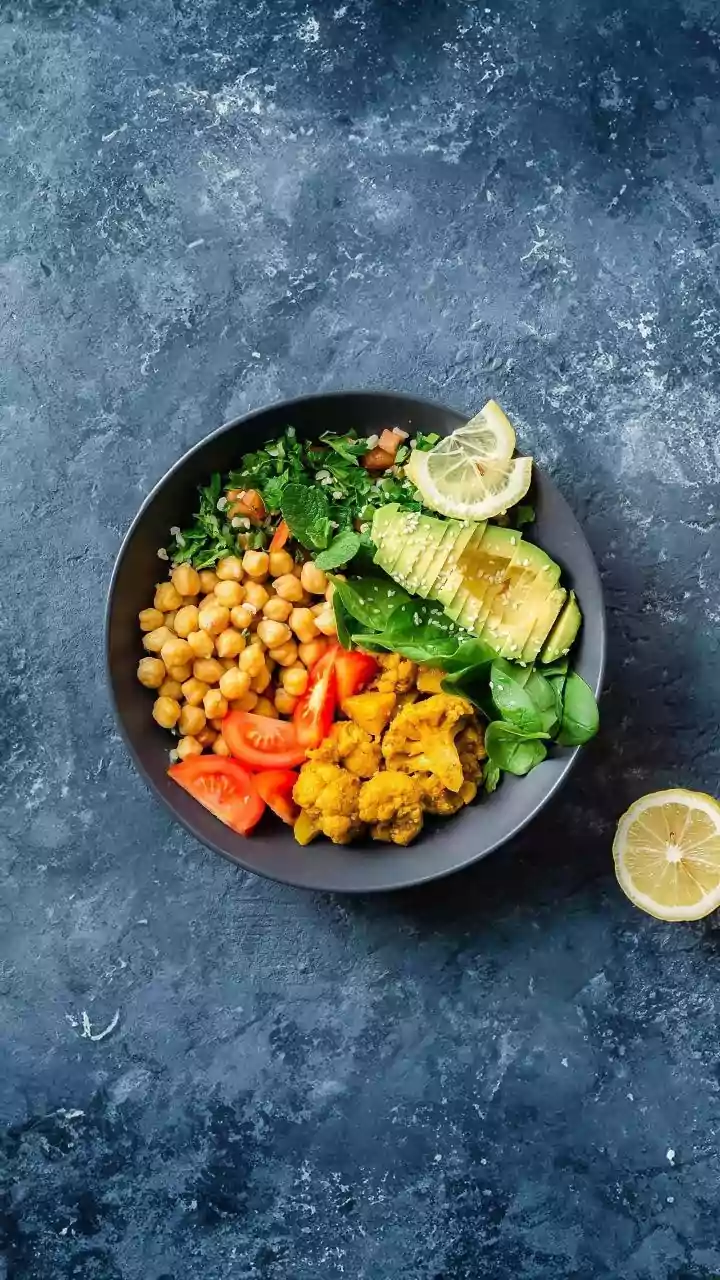
A simple psychological trick can have a big impact on portion control: use smaller plates and bowls. A standard serving of food can look sparse on a large dinner plate, tempting you to add more. The same amount of food on a smaller plate appears more abundant and satisfying. This helps your brain register fullness without needing to over-serve. When you serve yourself, start with a smaller amount than you think you need. You can always go back for seconds if you are genuinely still hungry. It takes about 20 minutes for your brain to receive the signal that you are full, so eating slowly can also prevent you from consuming more than your body needs.