







An Avalanche of Water and Debris
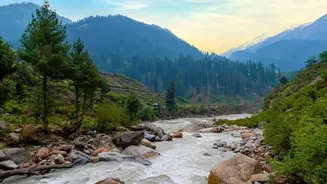
On the morning of August 26, a catastrophic event unfolded in Nepal's Rasuwa district, near the border with China. A suspected ice-rock avalanche or glacial collapse unleashed a massive surge of water, sediment, and boulders that tore through the Bhote
Koshi and Trishuli river systems. The disaster was immediate and devastating, sweeping away homes, bridges, roads, and power infrastructure, with hundreds reported dead or missing in Nepal and Tibet. This sudden, violent release of water from the Himalayan heights is a stark reminder of the region's volatility, with the downstream effects now becoming a major concern for India.
Why the Plains are on High Alert
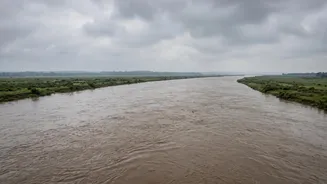
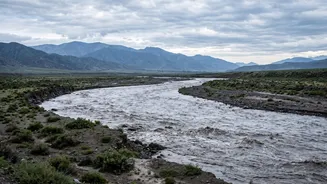
Rivers do not recognize international borders. The floodwaters surging through Nepal's Trishuli and Narayani rivers flow directly into the Gandak river in India, a major waterway for parts of Uttar Pradesh and Bihar. This interconnected river system means a disaster upstream can have severe consequences hundreds of kilometres away on the densely populated Gangetic plains. In response, authorities have been put on high alert in districts bordering Nepal. As a precaution, all 36 gates of the Gandak Barrage in Bihar were opened to manage the anticipated surge in water flow, with officials reporting a discharge of around 150,000 cusecs. The National Disaster Response Force (NDRF) has been placed on high alert as communities in low-lying areas anxiously monitor rising river levels.
A Glimpse into a Warmer Future
This single event is not an isolated incident but a symptom of a much larger and more troubling trend. The Himalayas, often called the 'Third Pole' for their vast reserves of ice, are warming at an accelerated rate due to climate change. This warming is destabilizing glaciers, leading to the formation and expansion of glacial lakes, which are often held back by unstable natural dams of rock and debris. An event like a Glacial Lake Outburst Flood (GLOF), where this natural dam fails, can release millions of cubic metres of water in an instant. Experts have warned for years that the increasing frequency of extreme weather, rapid glacier melt, and rising temperatures are making such catastrophic floods more common, turning life-giving rivers into volatile threats.
The Long-Term Threat to India’s Heartland
Beyond the immediate danger of flooding, the increasing instability in the Himalayas poses a profound long-term threat to India's water and food security. The great rivers that form the backbone of the northern plains—the Ganga, Indus, and Brahmaputra systems—are fed by these very glaciers. They provide drinking water for millions and are the lifeblood of Indian agriculture. The current pattern of accelerated melt followed by potential long-term reduced flows threatens to disrupt this vital balance. The 'uncertainty' for the northern plains is twofold: an immediate, heightened risk of devastating floods and a creeping, long-term risk to the water supply that sustains the entire region. This makes robust early warning systems and transboundary cooperation on disaster management more critical than ever.