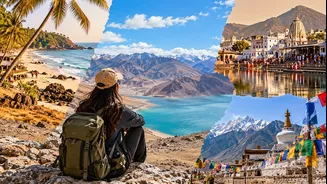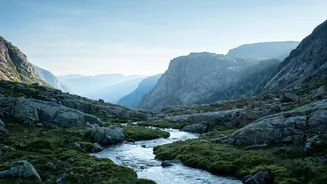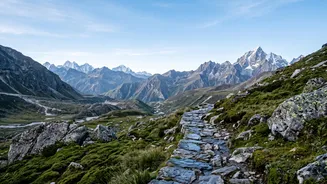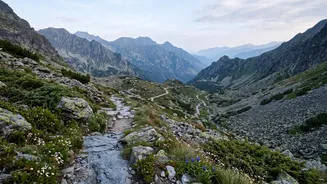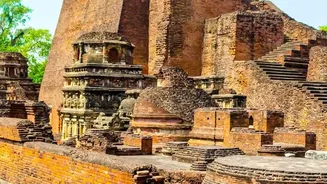

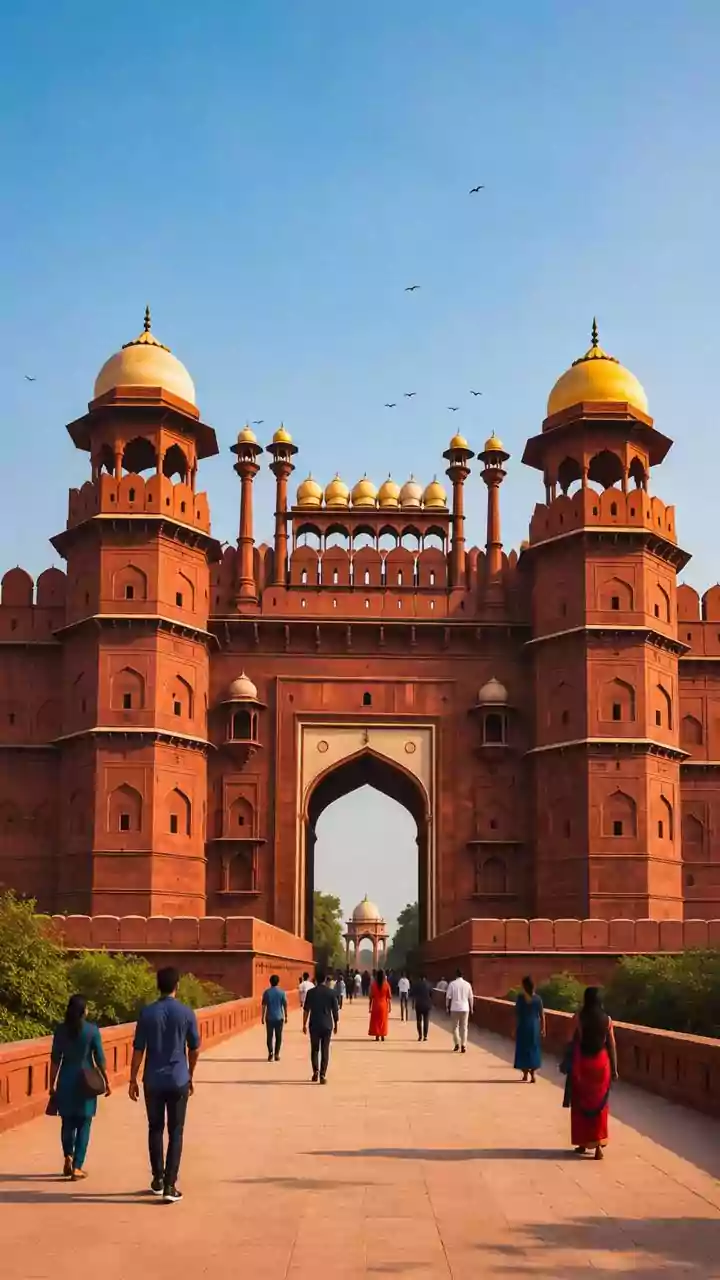
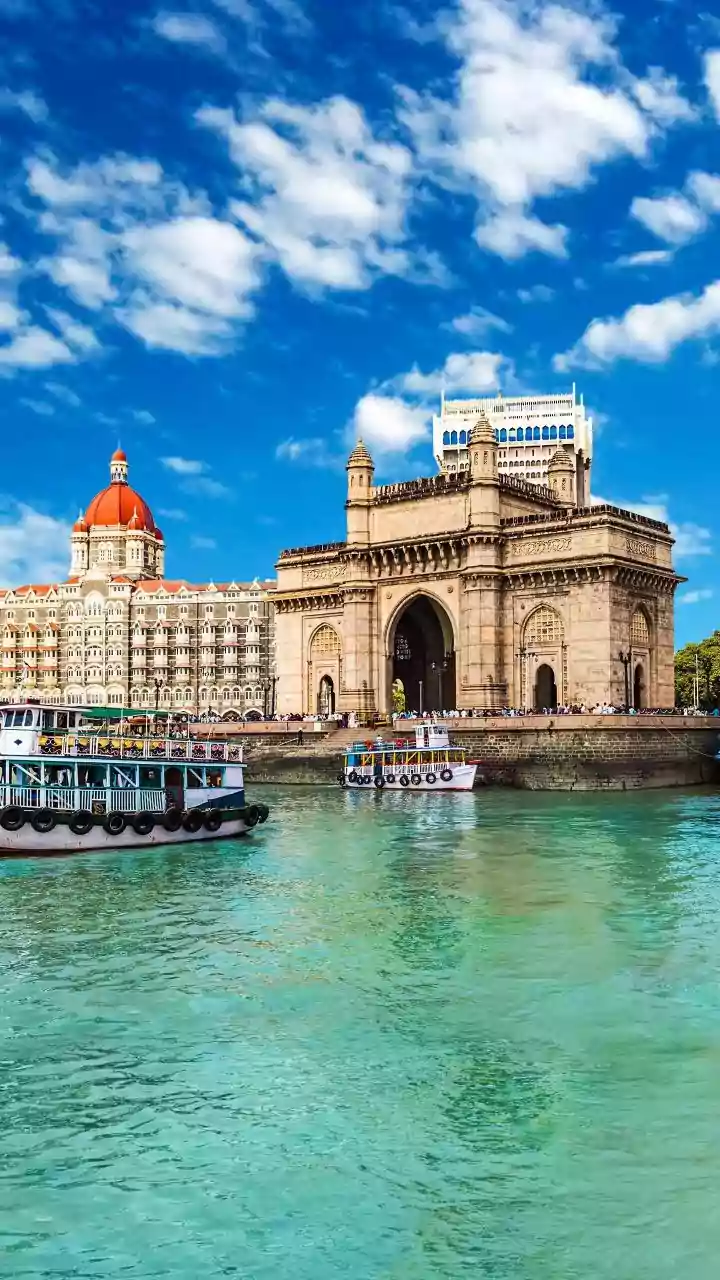




The era of checking off the same popular tourist spots may be ending. A new report reveals Indian travellers are seeking something different: longer, more meaningful trips to lesser-known places, a trend set to define travel in 2027.
The Big Shift: What the Data Shows
Digital travel platform
Agoda's 2027 Asia Travel Pulse report has highlighted a significant change in travel habits. The standout finding is that 55% of Indian travellers are likely to visit a lesser-known, 'offbeat' destination in 2027. This figure is substantially higher than the Asian average of 36%, positioning Indians as the most adventurous travellers in the region when it comes to exploring new frontiers. This isn't just about location; it's also about duration. The data suggests a move away from quick weekend getaways. About 26% of Indian travellers plan for their trips in 2027 to last between eight and 12 days, compared to just 15% across Asia. This indicates a growing desire to properly immerse in a destination rather than rushing through its highlights.
Why Indians Are Skipping the Hotspots
The move towards offbeat travel is driven by a quest for unique and meaningful experiences. Travellers are increasingly looking to escape the crowds synonymous with major tourist hubs. The post-pandemic travel boom has made popular destinations even more crowded, prompting a search for quieter, more authentic encounters. According to Agoda, motivations are becoming as important as the destinations themselves. For Indian travellers, outdoor adventure is a key driver, with 42% citing it as a primary reason for their trips. Another powerful motivation is spiritual and religious journeys, with 14% of Indians travelling for this purpose—more than three times the Asian average of 4%. This desire for purpose-driven travel is leading people to places that offer a genuine connection to nature, culture, or faith.
India’s Emerging Travel Hotspots
This trend is already visible in search data. Agoda's 2026 accommodation searches show massive spikes in interest for destinations that blend culture, spirituality, and adventure. Pushkar in Rajasthan, known for its vibrant Holi celebrations and sacred lake, saw a 195% jump in searches compared to the previous year. Similarly, Dharamshala, the Himalayan home of the Dalai Lama, saw a 154% increase. Leh, the gateway to Ladakh's stunning high-altitude landscapes and ancient monasteries, experienced a 143% surge in interest. These locations offer a departure from the typical holiday, providing a mix of trekking, spiritual reflection, and rich local culture away from the mainstream tourist trail.
The 'Bleisure' and Long-Stay Effect
The trend towards longer holidays is also supported by evolving work cultures. The rise of 'bleisure'—blending business travel with leisure—is particularly strong in India. Reports show that Indian professionals take more bleisure trips annually than the global average, often extending work assignments by several days to explore a city or region. This is facilitated by the growing acceptance of flexible and remote work arrangements, which allow employees to combine productivity with personal travel. Rather than a quick in-and out business trip, professionals are now looking to make the most of their travel, turning a work obligation into a more rounded, experiential journey. This naturally leads to longer stays and a greater opportunity to venture beyond the city centre to nearby offbeat locations.