





From Urban Village to Global Hotspot
Tucked away in Safdarjung Enclave, Humayunpur has long been a beloved secret for those in the know. That changed when the global publication Time Out placed it on its prestigious annual list, celebrating its unique character. The ranking, which placed Seoul's
Jongno 3-ga at the top, considered factors like food, culture, community spirit, and independent businesses. Humayunpur was lauded for its vibrant culinary scene, strong community ties, and bustling nightlife, landing it a spot alongside districts in Tokyo, Rome, and Lisbon. It wasn't the only Indian entry; Mumbai's Bandra West also featured at number 23.
A Culinary Capital of Northeast India
At the heart of Humayunpur's appeal is its food. The neighbourhood is a culinary powerhouse, particularly for cuisines from Northeast India and other parts of Asia. The area’s transformation began decades ago as students and professionals from states like Nagaland, Manipur, and Assam made it their home, bringing their rich culinary traditions with them. Today, its narrow lanes host over 50 eateries. Visitors can embark on a gastronomic journey, sampling everything from smoky Naga thalis and Manipuri thalis to Tibetan momos and laphing, a cold noodle dish. Restaurants like Lha Kitchen and Bhansaghar offer authentic Himalayan fare, including Nepalese Thakali thalis.
More Than Just Food
While food is a major draw, the neighbourhood's identity is much richer. The influx of young, creative energy has cultivated a unique ecosystem of independent businesses. The lanes are dotted with shops selling Korean skincare products, streetwear from local designers, and K-pop merchandise. You can find tattoo parlours, vintage thrift stores, karaoke venues, and charming photo booths, creating a vibrant street culture. This blend of commerce and culture, from skaters perfecting tricks to shoppers browsing handcrafted jewellery, gives Humayunpur its distinct, youthful pulse. Specialty grocery stores stocking hard-to-find Asian ingredients and Naga chillies further cement its status as a cultural hub.
The Story of a Community
What makes Humayunpur truly 'cool' is that its appeal grew organically, not by design. This was once a quiet Jat-owned urban village, historically known as Hanumanpur, that has existed since the 17th century. Over decades, it became a sanctuary for migrant communities, particularly from Northeast India, who were drawn by affordable rent and a sense of community. This fusion of cultures defines the neighbourhood. It's a place where tradition and modernity coexist, where a strong sense of community has fostered a safe space for self-expression and entrepreneurship.
Navigating the Neighbourhood
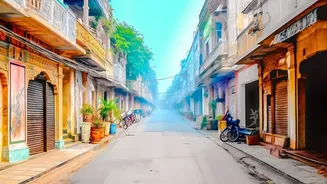
With its newfound global fame, Humayunpur is bound to attract more visitors. The experience, however, remains far from a polished tourist trail. Its charm lies in its slightly chaotic, narrow lanes packed with life. The closest metro station is Green Park on the Yellow Line, from where a short auto-rickshaw ride will take you into the heart of the action. While the area is buzzing on weekends, visiting on a weekday afternoon can offer a more relaxed experience. Whether you're there for a seafood boil at Yong's Kitchen, a comforting bowl of ramen, or to simply soak in the atmosphere, the neighbourhood offers a slice of contemporary urban India that is authentic, dynamic, and now, officially one of the coolest in the world.