


The River by the Numbers
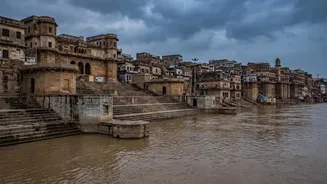
The immediate concern in Varanasi revolves around a few critical measurements. As of Thursday morning, the Ganga's water level reached 70.54 meters. This figure is significant because it has surpassed the official warning level of 70.262 meters. The river
is now steadily climbing toward the danger mark, which is set at 71.262 meters. Reports indicate the water is rising at a rate of about two centimeters per hour, a seemingly small but relentless pace that has authorities on high alert. This steady increase, fueled by heavy monsoon rains upstream, means the situation is evolving rapidly. Officials are now in a race against time, watching to see if the river will breach the danger level, which would trigger more widespread and severe flooding.
A City's Sacred Rhythm Disrupted
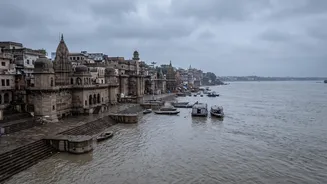
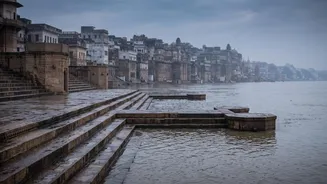
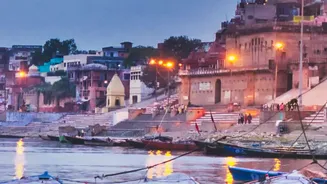
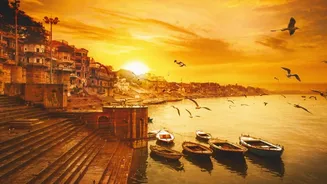
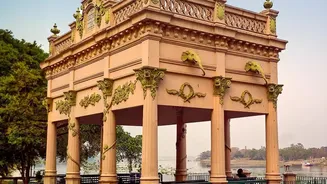
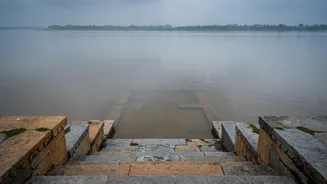
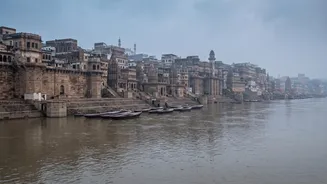
For a U.S. audience, it's important to understand that Varanasi is not just any city, and the Ganga is more than a river. It is the spiritual heart of Hinduism, a place where life and death are intertwined along its famous ghats—the long stretches of steps leading down to the water. These ghats are now being swallowed by the flood. The rising water has submerged the lower platforms of iconic sites like Dashashwamedh Ghat, where the famous evening Ganga Aarti (a fire ceremony) is performed. Organizers have been forced to move the daily ritual to higher ground and even rooftops. Boat operations, a key part of tourism and daily transport, have been completely suspended for safety reasons due to strong currents. This disruption impacts not only the city's economy but the very fabric of its daily spiritual life.
The Human and Ritual Toll
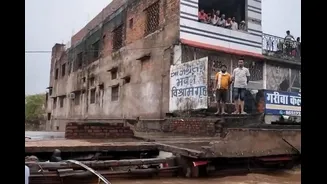
The flood's most profound impact is on the people. In low-lying areas along the Ganga and its tributary, the Varuna, water has entered homes, forcing evacuations. So far, the flooding has affected at least 29 villages and city wards, displacing thousands of people. The district administration has set up dozens of relief camps, which are now housing hundreds of families who have fled their waterlogged homes. Even the city's sacred funeral rites have been severely affected. Manikarnika Ghat, one of the primary cremation sites, has been inundated. This has forced grieving families to navigate knee-deep water and use boats to transport their deceased loved ones to the rooftops of nearby buildings for cremation, a process now marked by long, difficult waits.
The Official Response and Broader Context
Authorities are on high alert, with disaster response teams, including the National Disaster Response Force (NDRF), deployed for surveillance and rescue operations. The situation has drawn attention from the highest levels of government, with Prime Minister Narendra Modi, who represents Varanasi in parliament, speaking directly with local officials to review the relief efforts. The current flooding is a stark reminder of a recurring problem. This event marks the eighth time since 2013 that the Ganga has crossed the warning mark in Varanasi. While monsoon flooding is seasonal, the increasing frequency and intensity of these events raise urgent questions about the impact of climate change on the region. With more heavy rainfall predicted, the city is bracing for the possibility of a worsening crisis, highlighting the vulnerability of this culturally priceless city to environmental shifts.