






An Insurance Crop's Incredible Resilience
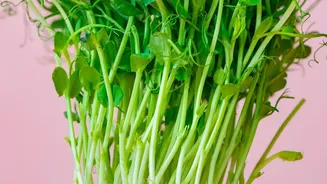
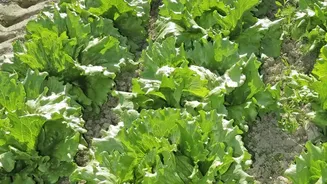
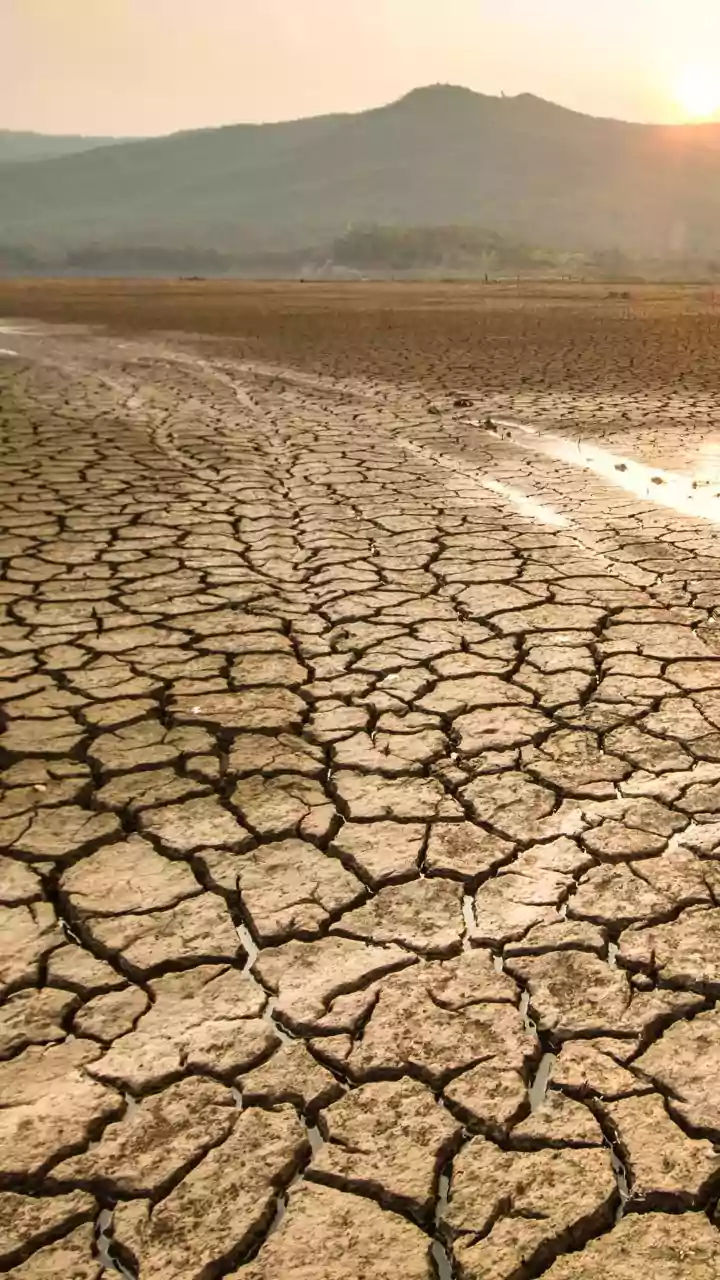
The grass pea, known scientifically as Lathyrus sativus, is a farmer's failsafe. For thousands of years, it has been cultivated in Asia and Africa because of its remarkable ability to survive where other crops perish. It can withstand drought, flooding,
and grow in poor-quality soils with minimal inputs. This toughness earned it the nickname 'insurance crop', a lifeline for communities during famines when everything else failed. Furthermore, as a legume, it naturally fixes nitrogen in the soil, improving fertility for subsequent crops and reducing the need for chemical fertilizers. In an era of unpredictable weather patterns, these traits make the grass pea an outstanding candidate for bolstering food security.
A Dark History of Paralysis
Despite its strengths, the grass pea has a troubled past. The crop was banned for sale in India in 1961 due to its link with a crippling neurological disorder called neurolathyrism. This irreversible condition causes spastic paralysis in the lower limbs. The culprit is a neurotoxin naturally present in the seeds called β-ODAP. The risk of lathyrism arises from prolonged and excessive consumption of grass pea, especially as a monotonous diet during times of severe food shortage when little else is available. This is the tragic paradox of the grass pea: the very resilience that makes it a saviour during famine is also what can make it dangerous when it becomes the only food source. This historical stigma has significantly limited its cultivation and acceptance for decades.
Science Offers a Path to Redemption
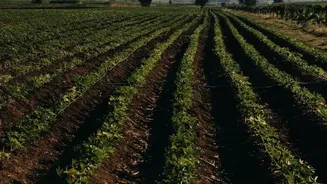
For years, scientists have been working to detoxify the grass pea and transform it from a crop of desperation into a crop of choice. Researchers in India and internationally have made significant breakthroughs in developing new varieties with very low levels of the harmful neurotoxin. Institutes like the Indian Council of Agricultural Research (ICAR) have successfully bred varieties such as 'Ratan' and 'Prateek', which contain β-ODAP levels well below the previously risky thresholds. These efforts involve conventional breeding techniques, crossing high-yield grass peas with wild relatives that are naturally low in the toxin, to create a new generation of seeds that are both safe and productive. These improved varieties are now being promoted in states like Bihar, West Bengal, and Chhattisgarh, often for use in rice fallow lands where they can thrive after the main harvest.
Nutritious, Sustainable, and Profitable?
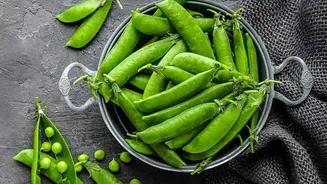
Beyond its resilience, a detoxified grass pea offers substantial nutritional benefits. The seeds are packed with protein—often containing a higher percentage than many other common pulses—making it a powerful tool against malnutrition. They are also a good source of essential minerals and vitamins. For farmers, the crop's low-input requirements make it an economically attractive option. It can provide a reliable harvest of food for people and fodder for animals, diversifying farm income. Projects promoting low-toxin varieties in Bihar have already shown a significant enhancement in net income for farmers, demonstrating its economic potential when cultivated with scientific methods. As the demand for plant-based protein grows, the grass pea could find a new, modern market.
Overcoming the Stigma
The biggest hurdle for the grass pea's comeback may not be scientific but social. The fear associated with lathyrism, embedded in public memory for generations, is a major challenge. Reintroducing the crop requires a concerted effort from scientists, farmers, and policymakers to build trust and raise awareness about the safety of the new, low-toxin varieties. While some states are considering easing restrictions, regulatory approvals from bodies like the Food Safety and Standards Authority of India (FSSAI) are still crucial for its large-scale commercial comeback for human consumption. Studies have also shown that when eaten in small quantities as part of a balanced diet, even traditional varieties pose a minimal risk, suggesting the danger has always been linked to overconsumption out of necessity. Breaking the stigma is key to unlocking the full potential of this resilient legume.