




1. Change the Peanut Base
The foundation of the dish is, of course, the peanuts, and how you prepare them dramatically changes the final texture. Many recipes call for boiling raw peanuts until they are soft and tender, which offers a satisfying, gentle chew. For those who crave
a more pronounced crunch, using dry roasted peanuts is an excellent alternative. This not only adds a deeper, nuttier flavour but also makes the chaat a no-cook affair if you use store-bought roasted peanuts. For a middle ground, you can pan-roast raw peanuts yourself, which provides both crunch and a fresh-toasted aroma.
2. Amp Up the Crunch Factor
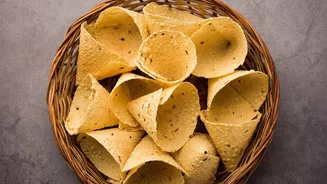
Beyond the peanuts themselves, adding other crunchy elements can introduce exciting textural layers. Finely chopped raw vegetables like carrots, bell peppers, radishes, and seedless cucumbers are classic additions that provide a fresh, crisp bite. For a different kind of crunch, consider sprinkling sev (thin, crispy chickpea flour noodles) or aloo bhujia over the top just before serving. Puffed rice (murmura) or even crushed papdi can also be mixed in for an extra layer of crispiness.
3. Dial Up the Tang
The signature 'chaat' flavour often comes from its tanginess, which can be adjusted to your liking. Lemon or lime juice is the most common source, lending a bright, fresh acidity. For a deeper, more complex sourness, amchoor (dry mango powder) is a fantastic addition to the spice mix. When in season, finely chopped raw green mango offers a sharp, tangy crunch that is truly addictive. For a sweeter tang, a drizzle of tamarind chutney can work wonders, balancing the sour notes with a hint of jaggery or sugar.
4. Introduce a Sweet Contrast
A touch of sweetness can beautifully balance the spicy and tangy elements of peanut chaat. Pomegranate arils are a popular choice, providing small bursts of sweet, juicy flavour and a vibrant splash of colour. Diced apple can offer a similar sweet-tart crunch. For a more subtle sweetness, you can add boiled sweet corn kernels. Some recipes even call for a small amount of sugar or a drizzle of honey to round out the overall flavour profile, ensuring no single taste becomes overwhelming.
5. Experiment with Creaminess
While crunch is a hallmark of peanut chaat, adding a creamy component can create a wonderful contrast in texture. A common way to do this is by adding finely diced boiled potatoes, which lend a soft, starchy element that absorbs the spices beautifully. For a modern, richer twist, consider adding small cubes of avocado. Another option is a light drizzle of plain yogurt (dahi) before serving, which adds a cooling, creamy, and slightly sour note, transforming the dish into a more substantial snack.
6. Boost the Freshness with Herbs
Fresh herbs are crucial for lifting the flavours of the chaat. Finely chopped coriander leaves (cilantro) are almost always included for their bright, citrusy aroma. However, you can introduce another layer of freshness by adding minced mint leaves, which provide a cooling counterpoint to the heat from the chillies. Some variations also use finely chopped green onions or scallions in addition to the standard red onion, adding a milder, fresher onion flavour.
7. Get Creative with Add-Ins
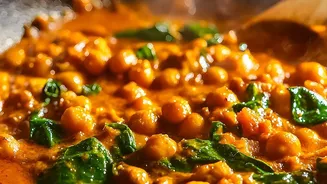
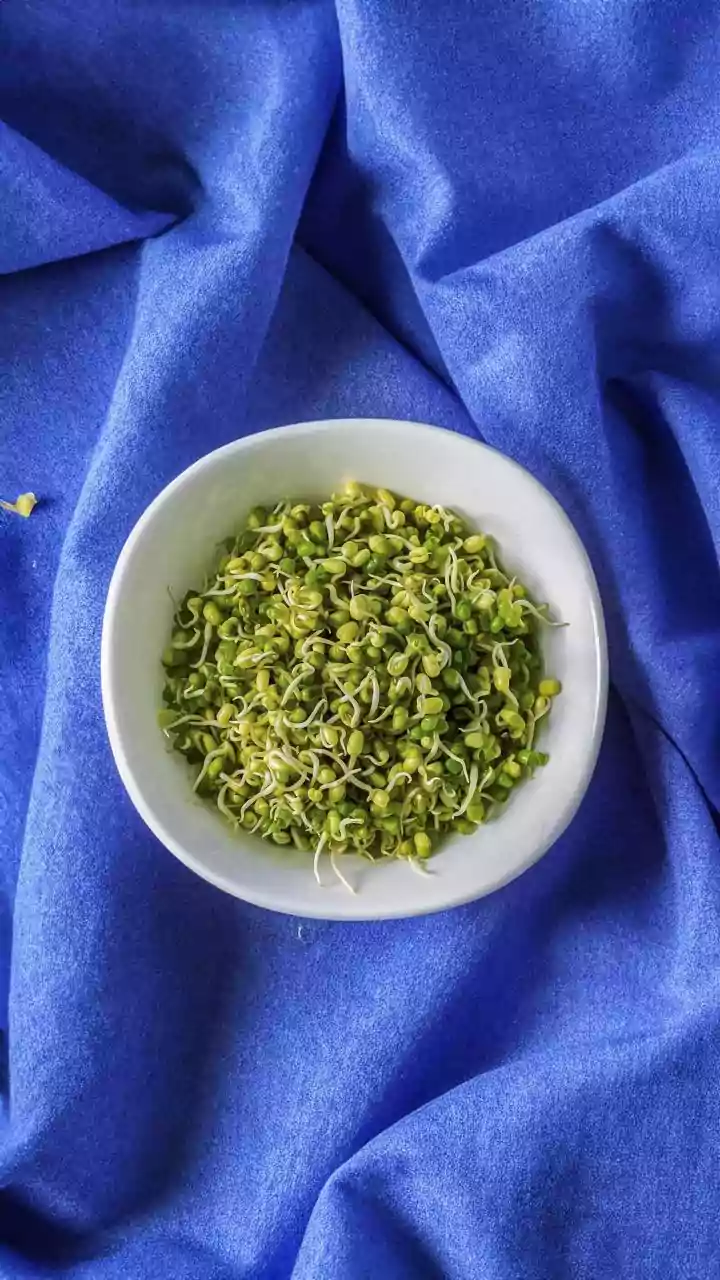
Don't be afraid to step outside the traditional ingredient list. For extra protein and a different texture, try adding boiled chickpeas or sprouted moong beans. For an unconventional but delicious twist, some recipes suggest adding diced cheese, such as pepper jack, which introduces a savoury, creamy, and slightly spicy element. Grated beetroot can add an earthy sweetness and a stunning colour, while grated coconut can bring a subtle, nutty sweetness that pairs surprisingly well with the spices.