

More Than a Meal, It's a Message
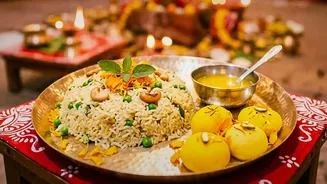
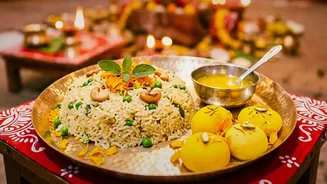
To be a guest in a Bengali household is to experience 'apyan', a concept of hospitality that goes beyond a simple welcome. It is an elaborate, heartfelt ritual, and its most potent expression is through food. The idea of a multi-course, often seven-part,
meal is not about sheer volume but about demonstrating care, honour, and abundance. Each dish is a deliberate choice, part of a culinary progression designed to delight the senses and make the guest feel cherished. This structured affair is a language in itself, communicating respect and joy. The variety, which moves methodically from snacks to sweets, ensures a complete and satisfying gastronomic journey, leaving no doubt about the host’s generosity and effort.
The Opening Act: Nimki and Ghugni
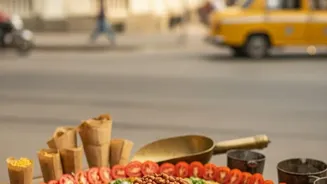
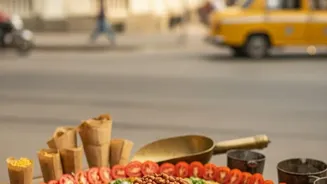
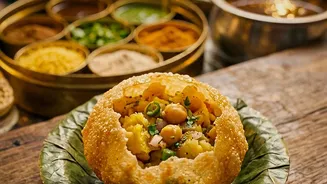
The celebration often begins not with the main feast, but with 'jolkhabar', a pre-meal snack that sets the stage. This is where Nimki and Ghugni make their grand entrance. Nimki, a crispy, diamond-shaped, savoury fried cracker, offers a delightful crunch. It is the perfect foil for Ghugni, a warm, hearty curry made from dried yellow peas, gently spiced and sometimes garnished with chopped onions and a squeeze of lime. This combination is more than just an appetiser; it is the first act of welcome. It gives guests something delicious to enjoy as conversations begin, bridging the time between arrival and the main meal. Their presence signals that this is a special occasion, a deliberate and warm gesture to kickstart the festivities.
The Foundation: Luchi and Alur Dom
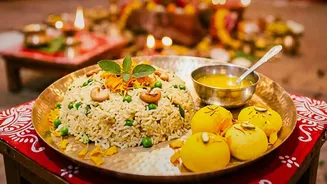
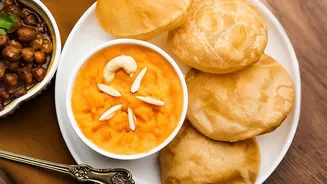
Following the introductory snacks, the first substantial course often arrives in the form of Luchi and Alur Dom, a pairing deeply embedded in Bengali celebratory culture. Luchi are pristine white, puffy, deep-fried breads made from refined flour that are light and airy. They are the perfect vehicle for scooping up Alur Dom, a slow-cooked potato curry where the potatoes are simmered until tender in a rich, spiced gravy. This combination is pure comfort and nostalgia, often reserved for special Sundays, festivals, and, of course, for honoured guests. Its appearance on the table is a definitive sign that this is a meal of significance, moving from the light snacks to something more soulful and grounded.
The Balanced Thali: From Bitter to Savoury
The main course, served with rice, is a masterclass in balance, traditionally starting with a bitter preparation. Shukto, a medley of vegetables in a subtly bitter and creamy gravy, is served first to cleanse the palate and prepare the digestive system. This is followed by dal, perhaps with a fish head for added flavour, and a selection of 'bhaja' or fries, such as crispy fried eggplant or potatoes. A 'torkari' or mixed vegetable dish often follows, showcasing seasonal produce. This progression is not random; it is based on ancient dietary wisdom, ensuring that each flavour profile is appreciated separately before moving to the richer dishes, building complexity with each bite.
The Main Event: Fish and Meat
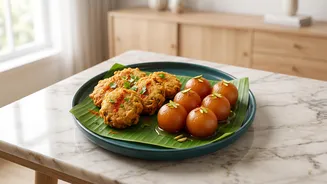
For many Bengalis, a celebratory feast is incomplete without the crowning jewels of the menu: fish and meat. After the vegetarian courses, the meal progresses to the non-vegetarian centerpieces. This could be a 'Maacher Kalia', a rich and spicy fish curry made with carp, or the iconic 'Shorshe Ilish', hilsa fish in a pungent mustard sauce. Following the fish, a 'Kosha Mangsho', or slow-cooked mutton curry, might be served, its deep, robust flavours offering a powerful and satisfying experience. These dishes represent opulence and are the heart of the savoury part of the meal, embodying the spirit of a grand feast.
The Sweet Conclusion
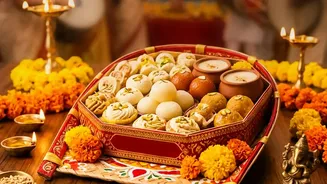
The journey from savoury to sweet is carefully managed by a sweet and tangy chutney, often made from tomatoes, mangoes, or dates, which is served with a crispy papad. This course acts as a palate cleanser, signalling the end of the main meal and heralding the arrival of dessert. And in Bengal, desserts, or 'mishti', are an art form. The meal concludes with iconic sweets like the creamy, rich 'Mishti Doi' (sweet yogurt) and delicate 'Sandesh' or 'Rosogolla'. This sweet finale provides a gentle, satisfying end to the elaborate meal, completing the circle of flavours from savoury and spicy to cool and sweet.