







A Boom in Direct Connectivity
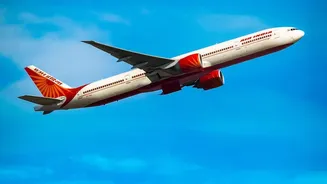
Indian aviation is in a phase of ambitious expansion. The strategic consolidation of carriers like Air India and Vistara, along with significant fleet growth at IndiGo, is paving the way for more non-stop international routes. Airlines are inducting new-generation,
long-range aircraft like the Airbus A350, A321XLR, and Boeing 787 Dreamliner, which are capable of flying to distant continents without a layover. This expansion is driven by rising demand from both leisure and business travellers who show a strong preference for direct connections. The result is a growing list of destinations now just a single flight away.
New Routes to Watch in 2026
Several exciting routes have already launched or are scheduled for 2026. For travellers heading to Europe, SWISS is slated to begin a five-times-weekly non-stop service from Bengaluru to Zurich in late October 2026. Greece has also become much more accessible, with IndiGo launching direct flights from both Mumbai and Delhi to Athens. Looking east, Air India launched a direct flight from Mumbai to Tokyo's convenient Haneda airport in June 2026. The airline also added a new service from Delhi to Hanoi. For those travelling from Northeast India, a significant development is Guwahati gaining direct connectivity to Dubai and Abu Dhabi, removing the need to transit through Delhi or Kolkata.
Why Schedules Can Be Unreliable
The headline's advice to double-check schedules is critical. The launch of new routes is a complex process that can be prone to delays and changes. Airlines need to secure regulatory approvals from multiple countries, which can sometimes take longer than anticipated. Furthermore, global aircraft manufacturing pipelines are stretched, and delays in aircraft delivery can force airlines to postpone or alter new route launches. Airlines sometimes announce routes and then adjust them based on initial demand or operational constraints. For instance, IndiGo made changes to its summer 2026 schedule, suspending some routes and reducing frequency on others to adapt to market conditions. Even established routes can be affected by external factors, as seen when airspace restrictions forced Air India to add a technical stop in Rome on its US flights, which was only recently removed.
Your Smart Holiday Booking Checklist
Given the potential for changes, a smart booking strategy is essential. First and foremost, book directly with the airline whenever possible. If a flight is delayed or cancelled, dealing directly with the carrier is far easier than navigating through a third-party booking agent. For new routes, constantly check the airline's official website for the most current schedule before and after you book. Don't rely solely on the initial announcement. For peace of mind, consider purchasing a more flexible fare that allows for changes, even if it costs a little extra. Avoid the most basic economy tickets, which typically do not allow for any adjustments. Finally, for any holiday travel, booking well in advance is recommended. For international trips, experts often suggest booking three to five months ahead to secure a good price and availability. Using tools like Google Flights to set up fare alerts can also help you track prices and book when a deal appears.