

Undredal, Norway: A Fjord Village Frozen in Time
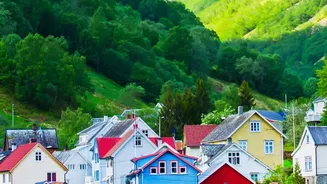
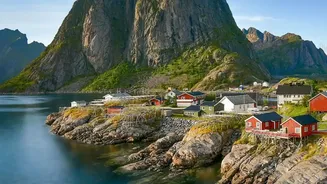
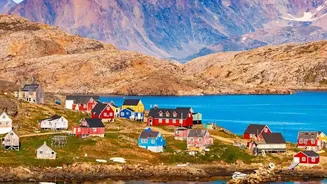
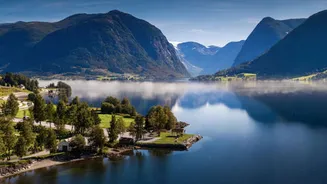
Tucked beside the deep blue waters of the Aurlandsfjord, a stone's throw from the busier village of Flåm, is Undredal. With a population famously outnumbered by goats, this tiny hamlet feels like a secret whispered between mountains. Until the late 1980s,
Undredal was only accessible by boat, preserving its tranquil, isolated character. The village is renowned for its traditional brown goat cheese ('geitost'), a culinary legacy you can taste at local dairies. At its heart stands the Undredal Stave Church, the smallest of its kind in Scandinavia, built in the 12th century. With its cluster of charming houses against a backdrop of towering cliffs, this village, which inspired the kingdom of Arendelle in Disney's 'Frozen', offers a true fjord experience without the crowds.
Ærøskøbing, Denmark: A Real-Life Fairy Tale
Often called 'The Fairytale Town', Ærøskøbing on the island of Ærø is arguably Denmark's best-preserved 18th-century town. Here, time seems to slow down as you wander cobblestone streets lined with crooked, colourful half-timbered houses and climbing hollyhocks. The town celebrated its 750-year jubilee and strict preservation rules ensure its historic charm remains intact. Tiny details abound, from intricate door carvings to the old water pumps that supplied the town until 1952. A short walk from the harbour leads to Vesterstrand beach, famous for its quirky and colourful little bathing huts. For a truly magical experience, follow the night watchman on his evening rounds through the lamplit streets, a tradition that brings the town's history to life.
Porvoo, Finland: A Medieval Storybook by the River
Just a 50-kilometer journey from Helsinki, Porvoo feels a world away. It is one of Finland’s six medieval towns, celebrated for its iconic red-ochre riverside warehouses. The Old Town is a delightful maze of winding, cobbled streets and colourful wooden houses that evoke the feeling of stepping into a children's storybook. High on the hill, the 15th-century Porvoo Cathedral overlooks the settlement. The area is a hub for artisans, with quirky boutiques, galleries, and charming cafes tucked into historic buildings. Porvoo is also a food lover's destination, known for its high-quality restaurants and as the birthplace of the Runeberg torte, a delicious almond and rum pastry named after Finland's national poet, J.L. Runeberg, who once lived here.
Smögen, Sweden: The Soul of the West Coast
While popular with Swedes, the fishing village of Smögen on the Bohuslän coast remains a relative secret to international travellers. Its main attraction is the Smögenbryggan, a long wooden boardwalk that snakes along the harbour, lined with colourful former boathouses that now serve as shops, cafes, and seafood restaurants. The island is famous for its fresh seafood, especially shrimp and crayfish, which you can buy directly from the bustling fish market. Beyond the lively harbour, you can explore the smooth, granite cliffs—perfect for a scenic hike or a refreshing dip in the sea. Despite its summer buzz, Smögen retains the authentic charm of a working fishing village, offering a true taste of the Swedish west coast lifestyle.
Seyðisfjörður, Iceland: Art and Scenery in the East Fjords
Tucked into the end of a deep fjord in East Iceland, the journey to Seyðisfjörður is as breathtaking as the town itself. This small village of around 700 people is known for its well-preserved wooden buildings and a vibrant, creative spirit. A thriving community of artists and musicians gives the town a unique, bohemian atmosphere. Its most photographed feature is the Blue Church, from which a rainbow-painted street leads down through the town centre. Despite its remote location, Seyðisfjörður is a hub of activity, hosting the LungA art festival in the summer and offering fantastic outdoor adventures, including hiking to nearby waterfalls and kayaking in the fjord. It’s a place where natural beauty and artistic energy meet.