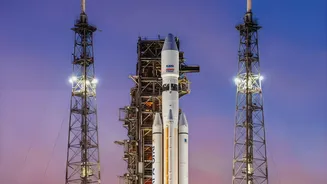

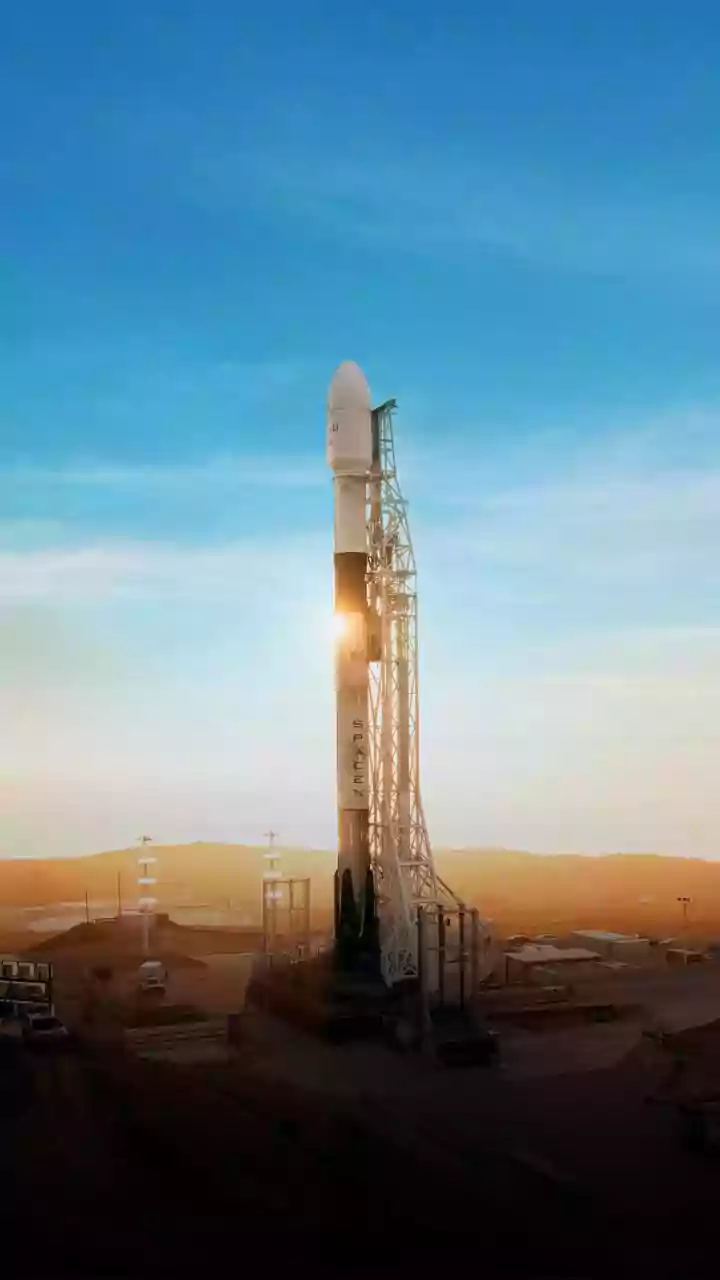





The Countdown Before the Countdown
Before a multi-ton rocket defies gravity, its crew and ground teams must prove they can flawlessly execute one of the most complex sequences in modern engineering. This is the purpose of the launch-day dress rehearsal, a full-scale, end-to-end simulation
of every action the astronauts and mission controllers will take on launch day. For the Crew-13 mission, this meant astronauts Jessica Watkins, Luke Delaney, Joshua Kutryk, and Sergey Teteryatnikov went through every motion except the final engine ignition. Known as a 'dry' rehearsal, this process involves no rocket fuel, but it is drenched in importance. Every communication check, every switch flip, and every procedural step is timed to the second, ensuring that when the countdown is real, every team member operates from memory and instinct honed by practice. It’s the final exam before the fiery test.
Suiting Up with Meticulous Care
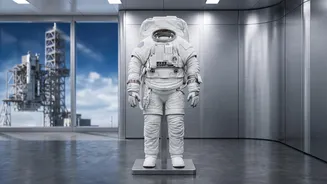
Launch day begins long before the astronauts see their rocket. Hours before heading to the pad, the crew sequesters in the Neil A. Armstrong Operations and Checkout Building. Here, they begin the lengthy process of donning their custom-fitted SpaceX launch-and-entry suits. These are not the bulky suits of spacewalks, but sleeker, partial-pressure garments designed as the last line of defense against depressurization. Technicians assist each astronaut, ensuring a perfect seal before conducting extensive leak checks on the suits and helmets. Communications systems are tested to guarantee a clear line to mission control and to each other. Even the airflow that keeps the astronauts cool is carefully managed. This process alone can take over an hour, a testament to the fact that in spaceflight, there are no minor details. Each step is a deliberate link in a chain of survival.
The Walkout and the Ride to the Pad
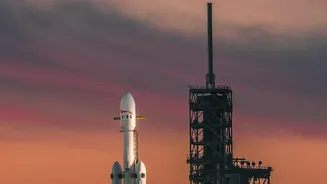
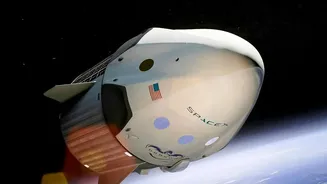
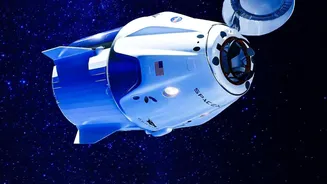
Once suited, the crew undertakes the iconic 'walkout,' a tradition that blends modern spectacle with procedural necessity. Emerging from the building, they are greeted by family and space center personnel before boarding specially modified Tesla vehicles for the drive to the launch complex. This short journey to Space Launch Complex 40 is a modern update to the 'Astrovan' of the Space Shuttle era, but its purpose remains the same: to transport the crew to their ride to orbit. Upon arrival at the base of the launch tower, the astronauts ascend in an elevator, taking them up to the crew access arm. This walkway connects the tower directly to the hatch of the Dragon spacecraft, perched atop the Falcon 9 rocket. It's the final few steps on Earth before they commit to their journey.
Securing the Crew inside the Dragon
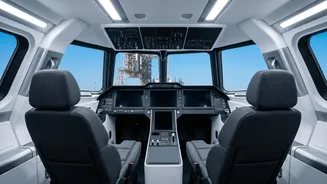
Entering the Dragon capsule, the astronauts are met by the closeout crew, a specialized team responsible for securing them in their seats. This is a tight-squeeze operation performed with practiced efficiency. The closeout crew helps each astronaut into their form-fitting seat, fastens the multi-point harnesses, and connects their suit's umbilical lines for communications and life support. Once the crew is secure and all connections are verified, the closeout team exits the capsule. The hatch is then sealed, and a series of pressurization and leak checks are performed to ensure the capsule is airtight. With the hatch officially closed, the astronauts are now fully reliant on the spacecraft and the ground teams who monitor their every vital sign and system status. The crew access arm retracts, leaving the Falcon 9 and its precious cargo standing alone, ready for the final simulated countdown.
Simulating the Final Minutes
With the crew secured, the rehearsal enters its most intense phase: a full run-through of the terminal countdown. This is where the precision of hundreds of individuals is synchronized. The launch director initiates a sequence of 'go/no-go' polls, querying every flight controller—from propulsion to avionics to weather—to confirm their system is ready for launch. During this rehearsal, the team simulates the 'load-and-go' propellant loading sequence, a rapid fueling process that normally begins just 35 minutes before liftoff. The countdown proceeds through milestones like the arming of the launch escape system and the final status checks from the crew. The rehearsal continues right down to the final seconds before a simulated main engine start. Completing this sequence without any holds or issues confirms that both the human and technical elements are truly ready for space.