

The Science of Feeling Full
That feeling of post-meal satisfaction, known as satiety, isn't just about having a full stomach. It’s a complex signal to your brain that you've consumed enough energy and nutrients. The main players in sending this signal are three macronutrients: protein,
fibre, and healthy fats. Many vegetarian meals, especially those new to the diet, are heavy on simple carbohydrates and vegetables but light on these three crucial elements. While nutritious, a simple salad or a bowl of vegetable sabzi without a substantial anchor will digest quickly, leading to a rapid return of hunger. The goal isn't just to eat, but to build a meal that has staying power.
Power Up with Protein
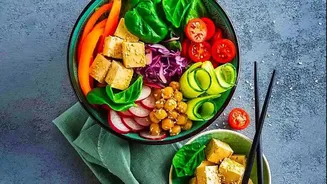
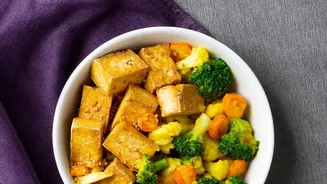
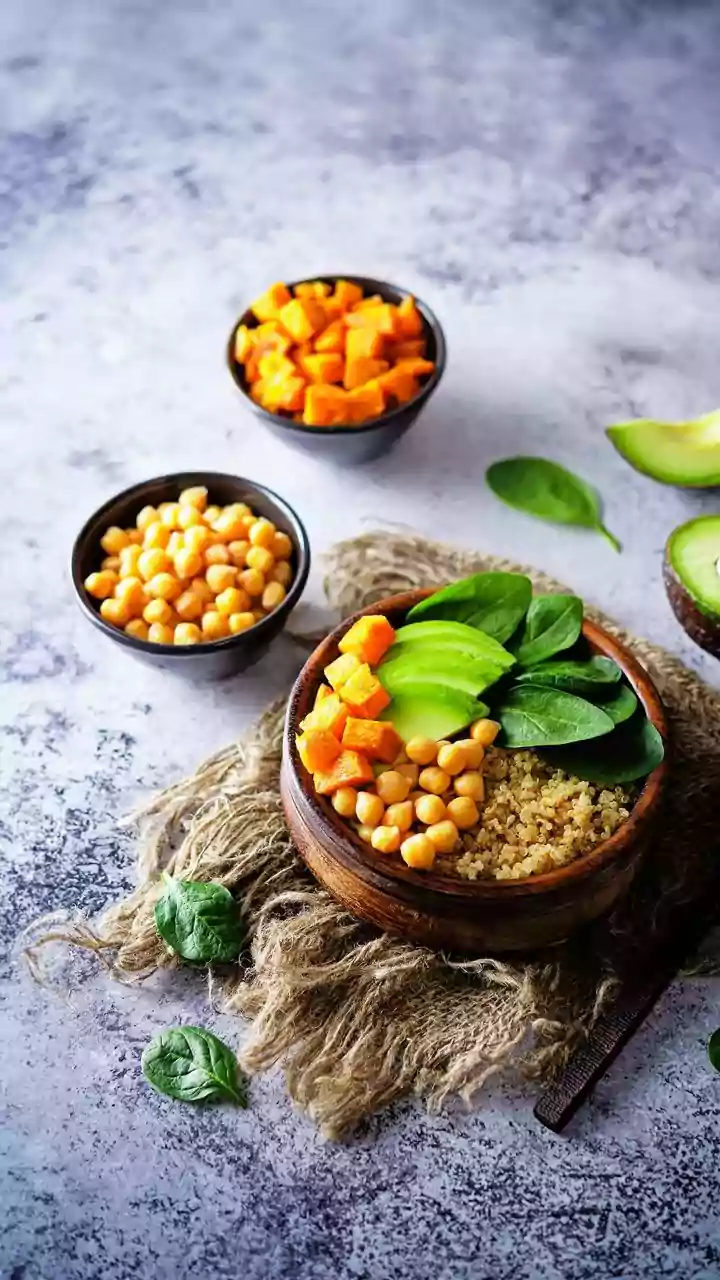
Protein is arguably the most important component for satiety. It slows down digestion and helps stabilise blood sugar levels, preventing the energy crashes that can trigger cravings. Many people transitioning to vegetarianism struggle to replace the protein once provided by meat. Luckily, the options are plentiful and delicious. Incorporate protein-rich foods like paneer, lentils (dal), chickpeas (chana), tofu, Greek yogurt (hung curd), and quinoa into every meal. For example, a simple dal with rice provides a complete protein profile. A serving of paneer bhurji or a chana masala can transform a light meal into one that keeps you full for hours.
Fill Up on Fibre
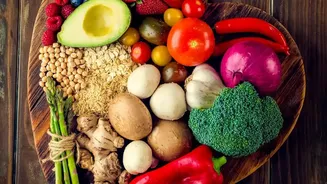
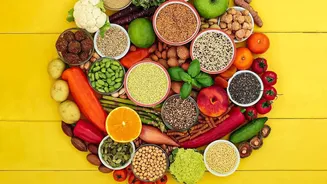
Fibre is the secret weapon for adding bulk to your meals without adding significant calories. It comes in two forms, and both are important. Soluble fibre, found in oats, beans, and some vegetables, dissolves into a gel-like substance in your digestive tract, slowing everything down. Insoluble fibre, found in whole grains and vegetables, adds bulk. Together, they ensure you feel physically full and that the feeling lasts. Instead of refined white rice or bread, opt for whole grains like brown rice, millets (jowar, bajra, ragi), and whole wheat roti. A meal built around pulses and whole grains, like rajma with brown rice, is a classic combination that delivers on both protein and fibre.
Don't Fear Healthy Fats
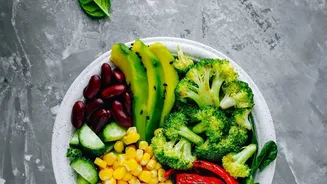
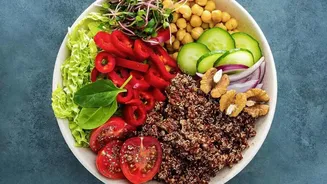
For years, fat was unfairly villainised, but healthy fats are essential for a satisfying meal. Fats take the longest to digest, contributing significantly to long-term fullness. They also help your body absorb fat-soluble vitamins and make food taste better, which enhances sensory satisfaction. Don’t be afraid to add sources of healthy fat to your plate. This can be as simple as a drizzle of olive oil or ghee on your vegetables, a handful of almonds or walnuts as a snack, or adding avocado or seeds to your salad. These additions not only boost satiety but also provide crucial nutrients for your body and brain.
Rethink Meal Volume and Composition
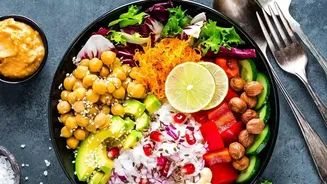
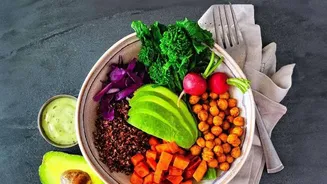
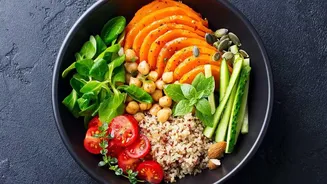
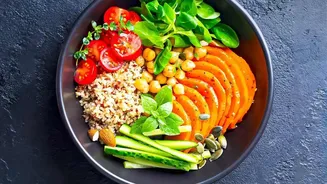
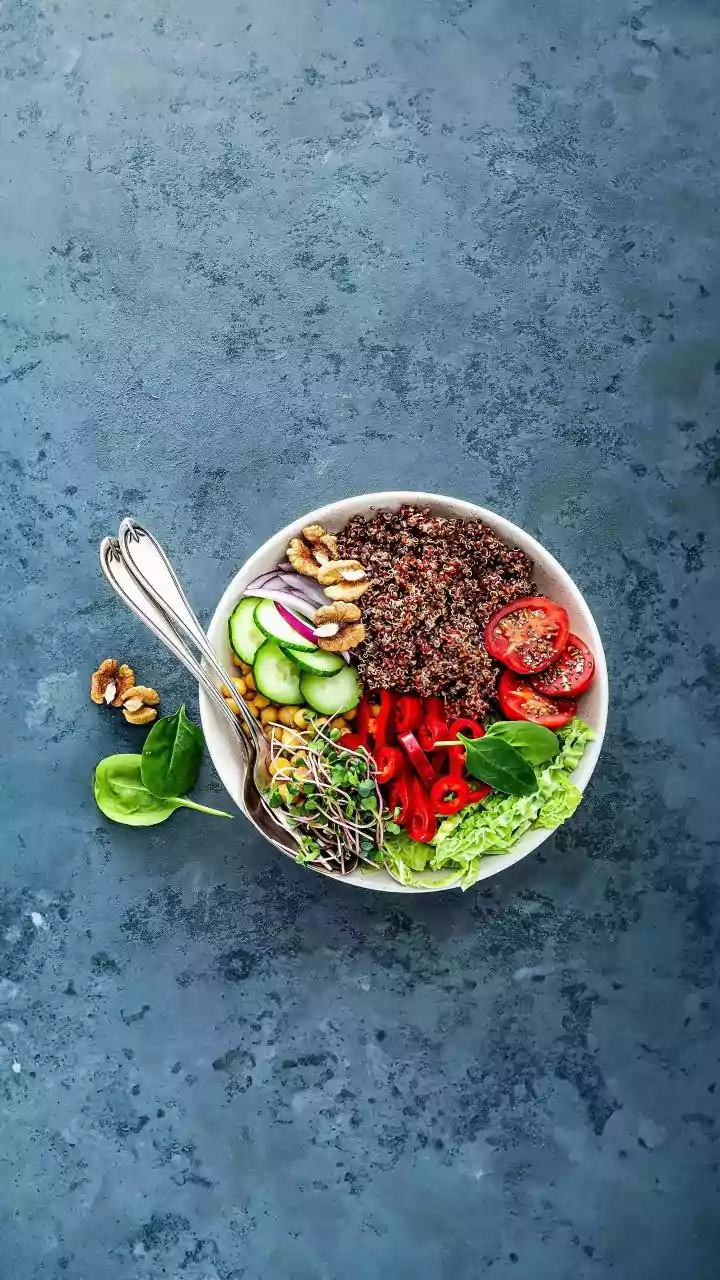
A common mistake is simply removing meat from a plate without adequately replacing it. A small green salad is not a complete meal. Plant-based foods are often less calorie-dense than animal products, which means you might need to eat a larger volume of food to get the same amount of energy. Think about building your plate differently. A good formula is to have about half your plate filled with non-starchy vegetables, a quarter with a quality protein source, and a quarter with complex carbohydrates. Then, add a source of healthy fat. For example, a large bowl of dal, a serving of sabzi, a millet roti, and a side of curd creates a balanced, filling, and nutritionally complete Indian vegetarian meal.