





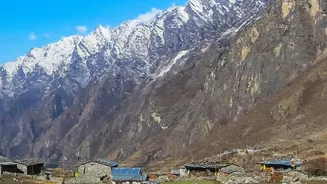
More Than Just Mountains
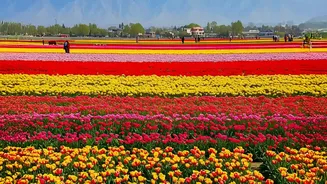
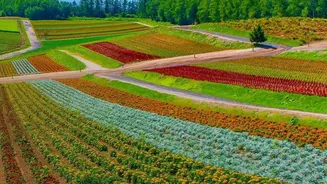
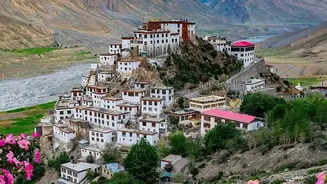
Beyond the dramatic mountains and serene monasteries, visitors to Leh now have a vibrant new sight to behold: India's largest and highest-altitude twin flower fields. Inaugurated in September 2026 by Ladakh's Lieutenant Governor, these fields at Choglamsar
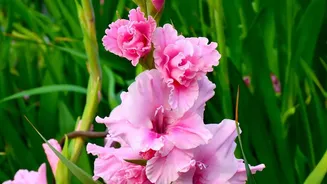
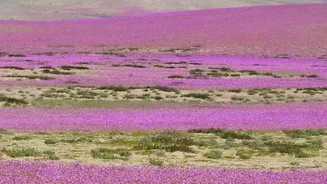
and Stakna, located at an elevation of 10,600 feet, are a spectacle of colour and life. Spread across 40 acres, the fields contain over 2.5 million high-value flowers, primarily 2.4 million Liliums and 100,000 Gladioli. Open to the public for a nominal fee, these parks offer a new recreational and educational space, transforming the cold desert into a valley of flowers.
The Science Behind the Blooms
This colourful transformation is no accident but a carefully planned scientific endeavour. The project is a high-altitude floriculture initiative, leveraging Ladakh's unique agro-climatic conditions which are surprisingly ideal for certain flower species. The cold climate, which might seem like a challenge, is actually a great strength for cultivating premium bulbs like Lilium, which perform exceptionally well in cooler temperatures. The initiative has received crucial scientific and technical support from the CSIR-Institute of Himalayan Bioresource Technology (CSIR-IHBT) in Palampur. This collaboration ensures that the right varieties are chosen and cultivated using modern farming techniques to produce premium-quality flowers fit for national and international markets.
Empowering Local Farmers
At its heart, this project is about more than just pretty flowers; it's a powerful tool for economic diversification and community empowerment. The initiative is designed to provide Ladakh's farmers with an alternative, high-value source of income, moving beyond traditional agriculture. The Agriculture Department is providing local farmers with structured training in scientific cultivation, modern farming techniques, and post-harvest management. These fields serve as demonstration and training centres, equipping farmers, youth, and especially women with the skills needed to thrive in the floriculture sector. Initially, 15 local women were engaged in the first phase of cutting, sorting, and packaging the blooms.
A Sustainable Model for the Future
The project follows a sustainable, community-focused model. In the first year, the Agriculture Department oversees the cultivation before handing over the fields to selected Self-Help Groups (SHGs) and farmer cooperatives for commercial operation. This ensures a smooth transition and empowers the local community to take ownership. The goal is to establish Ladakh as a floriculture hub, capable of producing high-quality bulbs and cut flowers, reducing India's reliance on imports. The first commercial air consignment of 15,000 A-grade Lilium stems was dispatched in late September 2026 to major markets, marking a significant milestone and proving the project's commercial viability.