


The Gruelling Journey to Paradise
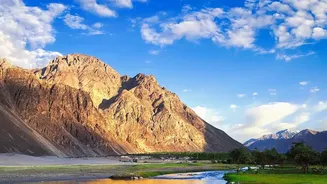
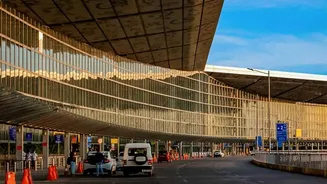
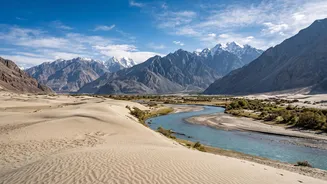
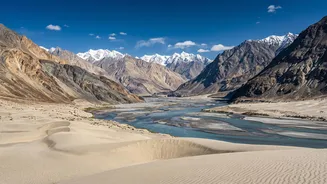
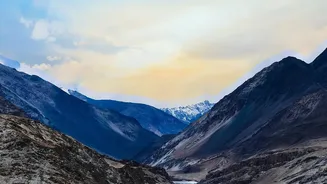
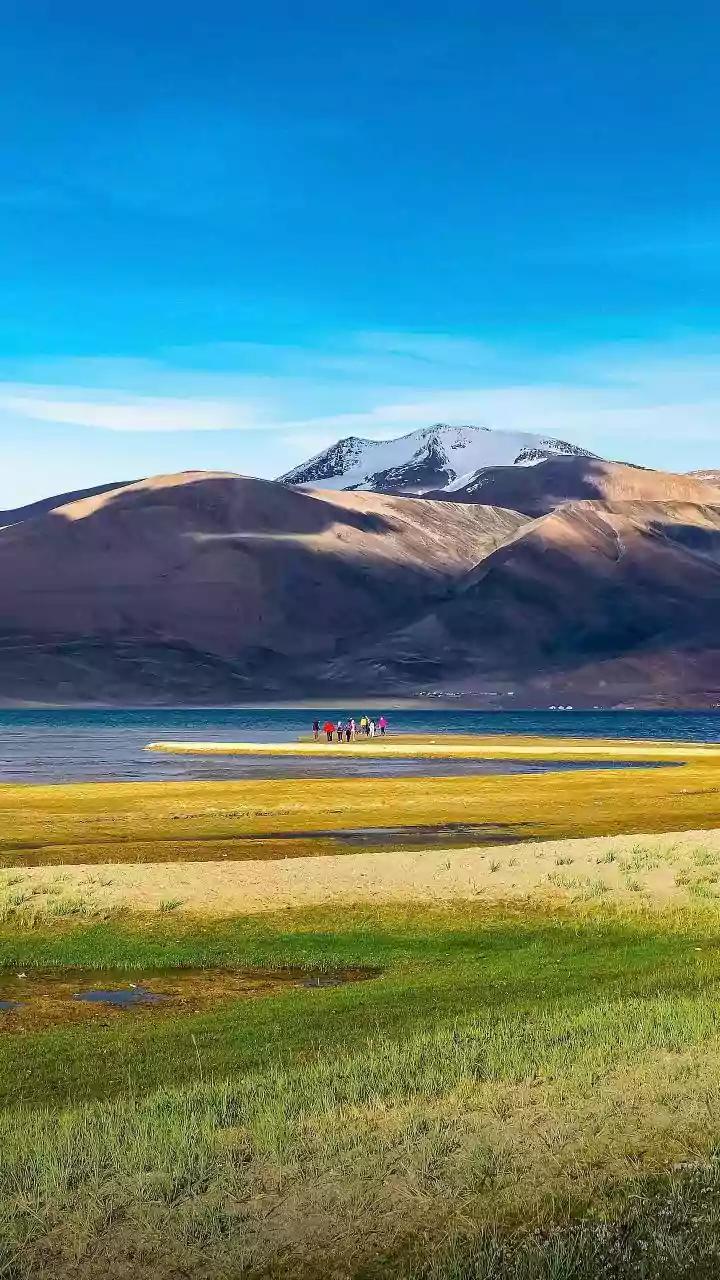
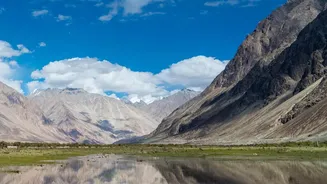
Reaching the Nubra Valley, often called the “Orchard of Ladakh,” is currently an adventure in itself. Travellers fly into Leh’s Kushok Bakula Rimpochee Airport, the region's only commercial airport, and then embark on a punishing road trip. The journey
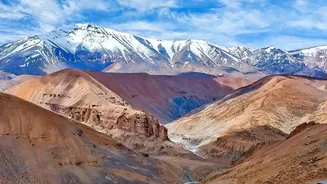
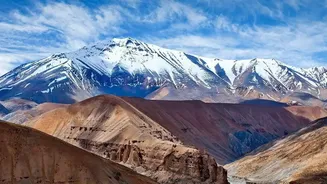
covers roughly 120 to 160 kilometres and takes five to six hours, navigating the treacherous Khardung La, one of the world's highest motorable passes. This high-altitude drive is subject to weather whims, with heavy snowfall often rendering the valley inaccessible during winter months. The challenging terrain and potential for road blockages due to landslides or melting glaciers can make the trip unpredictable and daunting for tourists and locals alike.
Thoise: A Strategic Outpost Opens Up
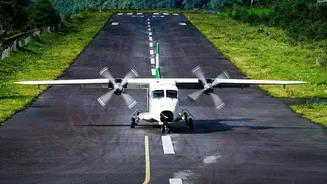
At the heart of this new proposal is the Thoise airbase. The name is an acronym for 'Transit Halt of Indian Soldiers Enroute,' highlighting its critical military role. Located within the Nubra Valley itself, this Indian Air Force (IAF) base serves as a vital lifeline for troops stationed near the Line of Actual Control (LAC) with China and the Siachen Glacier. For years, its runway has been exclusively for military use. Now, under a new push for regional connectivity, authorities are working to open this strategic asset for civilian passenger flights. This move would create Ladakh’s second commercial airport, a significant development for the remote border region.
From Hours to Minutes
The impact on travel would be immediate and dramatic. The five-to-six-hour drive from Leh would be replaced by a flight lasting less than 30 minutes. The Union Territory administration is targeting December 2026 to begin initial operations. To meet this deadline, the plan is to refurbish the existing charter-flight terminal for temporary use while a new, permanent civilian terminal is constructed. The IAF has already sanctioned five acres of land for this new terminal, and runway recarpeting work is expected to be completed by November 2026. While no airlines have officially announced routes yet, the move is part of the government's broader UDAN scheme to enhance regional air connectivity.
Beyond Tourism: A Lifeline for Locals
While the boost to tourism is a major driver, the benefits of air connectivity to Thoise extend far beyond holidaymakers. For the residents of Nubra Valley, it promises a reliable, all-weather link to the rest of the country. This is especially crucial during the harsh winters when road access is cut off. The flights would provide a much faster and more reliable option for medical emergencies, access to education and essential supplies. Furthermore, by making the region more accessible, it is expected to stimulate the local economy, create jobs, and support businesses that have traditionally been hampered by seasonal isolation and long supply chains. The new connectivity is hoped to unlock the economic potential of areas like Turtuk and the Siachen Base Camp area, which are currently difficult to reach.
Challenges on the Horizon
Despite the optimism, significant hurdles remain. Opening a sensitive military airbase to commercial traffic requires careful coordination and robust security protocols. Infrastructure at Thoise needs substantial upgrades, from passenger waiting areas and baggage handling systems in the interim terminal to the construction of the new civil enclave. There are also environmental concerns. Tourism already contributes to over 50% of Ladakh's GDP, but it also strains fragile ecosystems, leading to challenges like waste management and unregulated construction. Authorities will need to balance the economic boom from increased accessibility with sustainable practices to protect the very landscapes that draw visitors to Nubra Valley in the first place.