






What is E20 and Why is it Being Promoted?
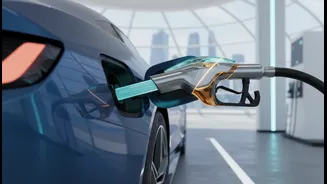
E20 fuel is a cornerstone of India's strategy to reduce its massive oil import bill, lower carbon emissions, and boost income for farmers who grow the crops used to produce ethanol, like sugarcane and maize. The government has aggressively pursued this
goal, advancing its target for a nationwide E20 rollout from 2030 to 2025. Supporters champion the move as a crucial step towards energy security and a cleaner environment, noting that ethanol blending reduces harmful emissions like carbon monoxide. By making E20 the standard fuel, India joins a global trend of blending biofuels with petrol. However, this rapid transition has not been without controversy, raising urgent questions about the readiness of millions of vehicles currently on Indian roads.
The Core of the Dispute: Automakers' Concerns
The primary opposition to the mandatory E20 rollout has come from vehicle owners and the automotive industry, represented by bodies like the Society of Indian Automobile Manufacturers (SIAM). Their main concern centres on the 'legacy fleet'—vehicles manufactured before 2023 that were designed to run on E10 (10% ethanol) or lower blends. Automakers have warned that using E20 in these non-compliant vehicles could lead to significant issues. Key concerns include the degradation of rubber and plastic components in the fuel system, such as hoses, seals, and gaskets, because ethanol can be more corrosive than petrol. There are also worries about reduced fuel efficiency, as ethanol contains less energy than petrol, and potential drivability problems. Back in 2021, SIAM had urged the government to ensure the continued availability of E10 fuel as a 'protection grade' for older vehicles, a recommendation that was not implemented.
Enter the Labs: The Quest for Evidence
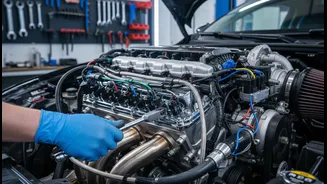
To settle the debate, the government has leaned heavily on scientific studies from recognised institutions like the Automotive Research Association of India (ARAI) and the Indian Institute of Petroleum (IIP). These labs have conducted extensive tests to evaluate the real-world impact of E20 fuel on various vehicles. The testing protocols are rigorous, involving durability runs covering tens of thousands of kilometres, material compatibility tests, and controlled performance assessments. For material testing, components like metals, plastics, and rubber are immersed in both E10 and E20 fuels to compare rates of corrosion and degradation. Engine durability tests involve running engines for hundreds of hours to check for abnormal wear, while performance is measured under controlled conditions to assess power, drivability, and fuel efficiency.
What the Lab Evidence Actually Shows
The findings from these labs present a complex picture. On one hand, ARAI and government officials state that extensive studies show E20 has no significant adverse impact on critical vehicle components and does not cause widespread engine damage, even in older vehicles. The tests found that metallic components were largely unaffected. However, the same studies have also revealed some of the very issues automakers warned about. An unpublished ARAI study, which has since resurfaced, noted that E20 fuel could accelerate the deterioration of certain rubber and plastic components in vehicles designed for E10. The tests also confirmed a drop in fuel efficiency, with ARAI's controlled studies showing a mileage reduction of 2% to 6% when using E20 compared to E10. Durability tests on engines have produced mixed results; while many vehicles showed no major issues, one test on a BS-VI turbocharged engine reported a valve failure after extended use.
What This Means for Indian Vehicle Owners
For owners of vehicles manufactured since April 2023, there is little cause for concern, as these are designed to be fully E20-compliant. The dispute primarily affects owners of older cars and two-wheelers. While government and industry bodies have publicly stated that E20 is safe, the lab evidence suggests a nuanced reality: while catastrophic failures are unlikely, prolonged use may lead to increased maintenance costs related to fuel system components. The confirmed drop in mileage also means that drivers are spending more on fuel to cover the same distance, offsetting any potential cost benefit from cheaper ethanol. The situation has led to public protests and at least one consumer court ruling in favour of a vehicle owner who claimed engine damage from E20 fuel. Experts advise owners of older vehicles to perform regular maintenance and watch for signs of trouble, like rough idling or fuel leaks.