






The Golden Rule: Soften Your Skin First
The most important step in any effective foot exfoliation routine happens before you even pick up a scrub or file. Soaking your feet in warm water for 10 to 15 minutes is essential. This process softens the outer layers of dead, hardened skin, making
them significantly easier and safer to remove. Trying to exfoliate dry, rigid skin is not only less effective but also increases the risk of creating micro-tears and irritation because you're working against inflexible tissue. Think of it like trying to clean a hardened, dried-out sponge versus a soft, wet one. The latter is pliable and easier to handle. For an enhanced soak, you can add Epsom salts or a few drops of a gentle soap to the water, which can help relax the feet and further soften calluses.
Gentle and Effective Exfoliation Techniques
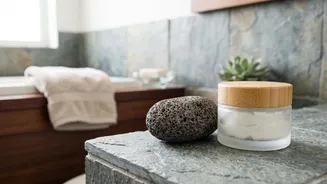
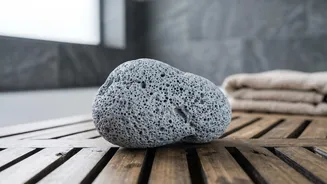
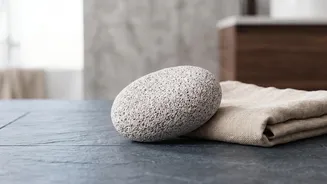
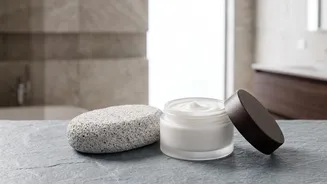
Once your skin is properly softened and patted dry, you can begin to exfoliate. The key here is to be gentle. Aggressive scrubbing can trigger a defensive reaction in your skin, causing it to produce even more thick, protective skin, ultimately making calluses worse. Tools like a natural pumice stone are ideal for this task. Always wet the stone before use to allow it to glide more easily over the skin. Using light, circular motions, focus on the areas with the most buildup, such as the heels, balls of the feet, and the sides of your toes. The goal is not to remove everything in one session, but to gradually buff away the topmost layers of dead skin. Spend about two to three minutes on this step and stop immediately if you feel any soreness or sensitivity.
The Non-Negotiable Final Step: Moisturise Immediately
This is where the entire process comes together. Exfoliation, by its nature, removes the outermost protective layer of dead cells, leaving the fresh skin underneath exposed and vulnerable. This new skin can lose moisture rapidly, leading to the very dryness you were trying to fix. Applying a moisturiser immediately after patting your feet dry is a non-negotiable step to lock in hydration and protect the newly revealed skin. A thick, heavy-duty cream or ointment works best. Look for ingredients like urea, which helps break down dead skin, or other hydrating agents that restore the skin's barrier. This final act of moisturising prevents the cycle of dryness from starting all over again and ensures the benefits of your exfoliation last.
Common Mistakes and How to Avoid Them
Many common foot care mistakes can sabotage your efforts. The most significant is over-exfoliation. Scrubbing too hard or too frequently can damage the skin's protective barrier, leading to redness, increased sensitivity, dryness, and even a higher risk of infection. Another error is using harsh tools like metal graters or razor-blade-style callus shavers, which can easily cut into healthy tissue and cause injury. It’s also a mistake to skip the initial soak, as this forces you to apply more pressure for less effective results. Finally, neglecting to moisturise afterward is a crucial misstep that allows moisture to escape, undermining the entire process and potentially leaving your feet drier than when you started.
Building a Sustainable Foot Care Routine
For lasting results, consistency is more important than intensity. Aim to exfoliate your feet about once or twice a week, not daily. Listen to your skin; if you notice any redness, soreness, or excessive peeling, give your feet a break from all exfoliation and focus solely on moisturising until they recover. Applying moisturiser should be a daily habit, especially before bed. For an intensive treatment, you can apply a thick layer of cream and wear cotton socks overnight to help it absorb more deeply. By following the correct sequence—soften, gently exfoliate, and always moisturise—you create a sustainable routine that promotes genuinely healthy, smooth feet over the long term, rather than a cycle of temporary fixes and recurring dryness.