
Delhi: A Mughlai and Chaat Paradise
Delhi is often hailed as India's street food capital, and for good reason. For young people, it’s a living museum of flavour. The crowded lanes of Old Delhi's Chandni Chowk are a major draw, offering legendary dishes that have been perfected over generations.
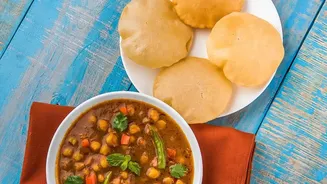
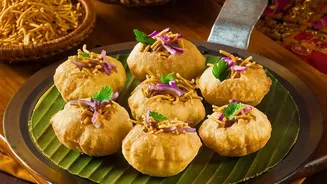
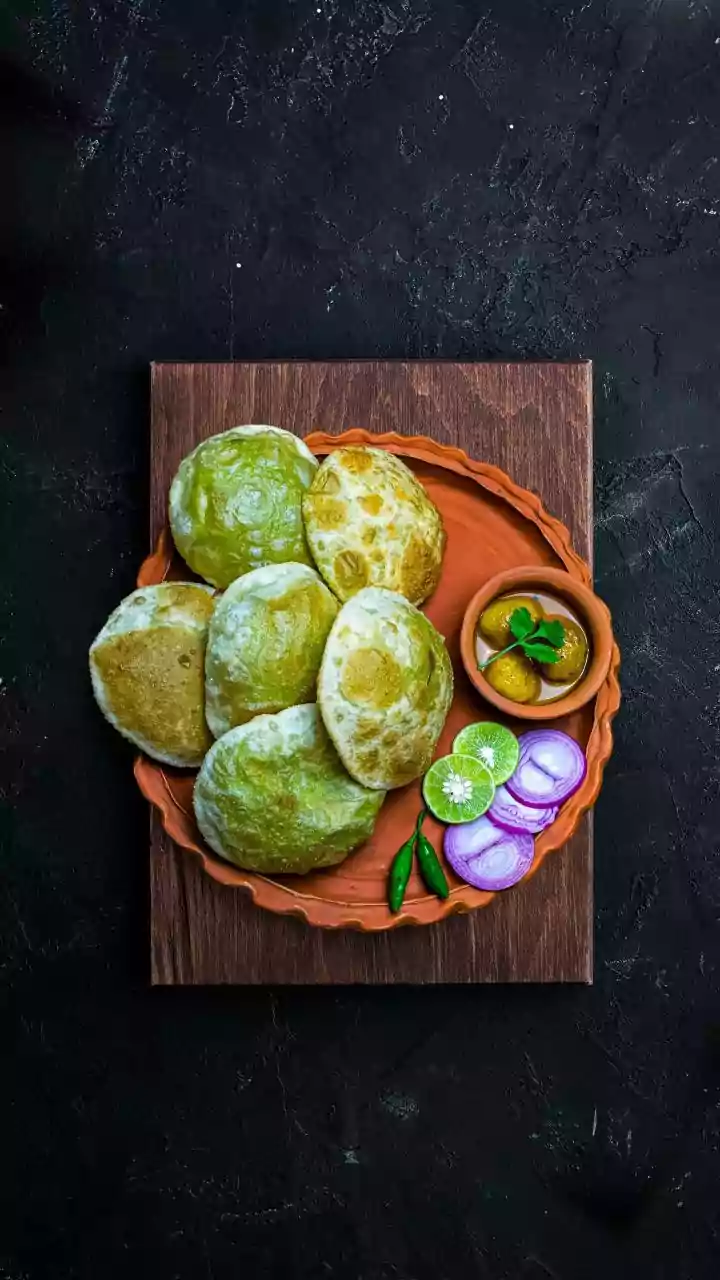
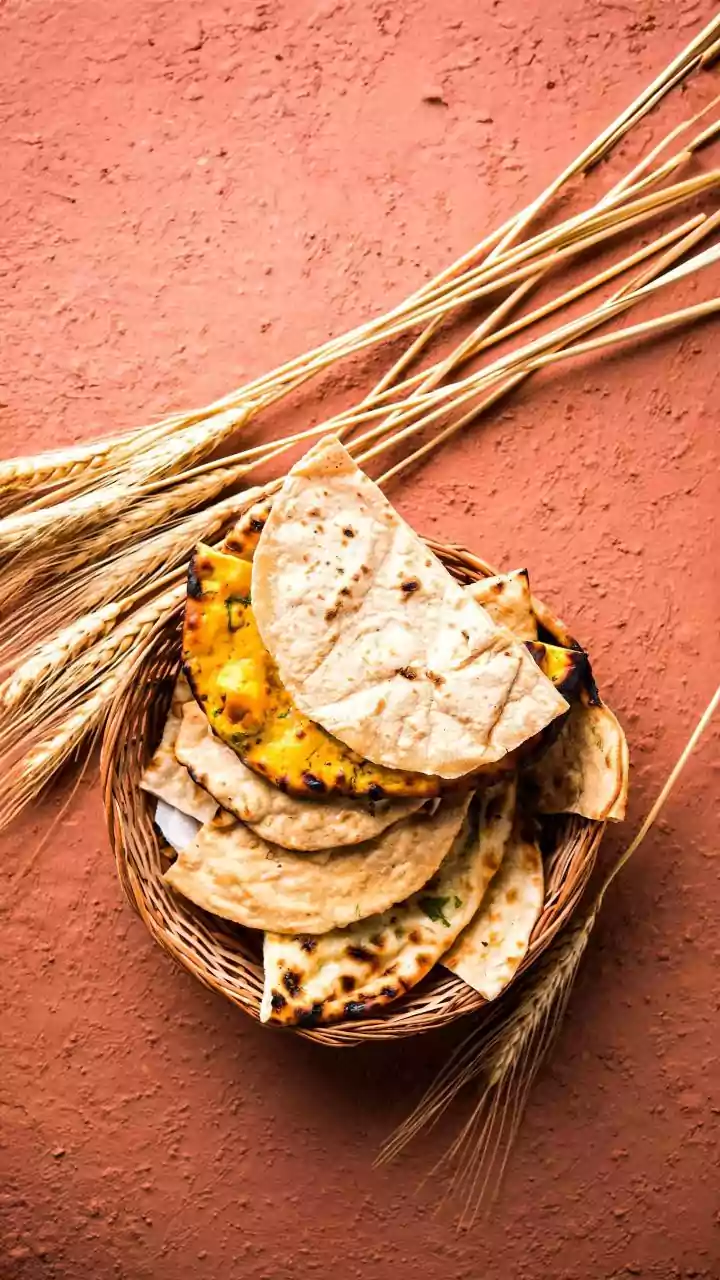
Here, it's not just about eating; it's about experiencing history. Think of the iconic Paranthe Wali Gali, where flatbreads have been served since the 1870s, or the melt-in-your-mouth kebabs that echo the city's rich Mughlai past. Young foodies and influencers flock here for the tangy joy of golgappas, the creamy goodness of dahi bhalla, and the hearty satisfaction of chole bhature. This attraction to authenticity provides a direct connection to heritage, offering a culinary experience that is both deeply traditional and highly shareable on social media.
Mumbai: The Pulse of Fast, Flavourful Eats
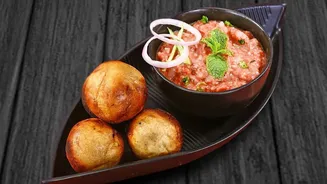
Mumbai’s street food scene is as fast-paced and energetic as the city itself. For the youth, it’s the taste of daily life, both convenient and iconic. The undisputed king is the vada pav, a humble yet delicious potato fritter sandwich that's considered a cultural symbol. Born in the 1960s as a quick meal for mill workers, it now unites everyone from students to executives. Beyond vada pav, the city's beaches and gullies offer a symphony of tastes. Pav bhaji, a spicy mash of vegetables served with buttery buns, is a crowd favourite, often enjoyed by groups of friends at places like Juhu Beach. There's also bhel puri, a crunchy, tangy puffed rice salad that perfectly captures the city's vibrant spirit. This food is accessible, affordable, and woven into the fabric of Mumbai's social life, making it a constant go-to for young locals and visitors.
Kolkata: A Story of Sweet and Savoury
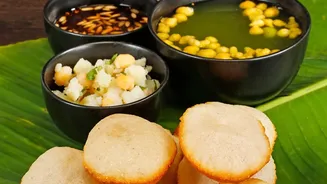
Kolkata’s street food is a unique blend of artistry, tradition, and flavour that captivates the younger generation. The city is famous for its phuchka, Kolkata’s version of pani puri, which offers a delicate balance of spicy and tangy water that many swear by. Another iconic item is the Kathi Roll, a flaky paratha wrapped around a filling of kebabs, egg, or paneer, which originated in the city and has gained global recognition. Young people are drawn to the intellectual and bohemian vibe of areas like College Street, where food stalls have been feeding students for generations. The appeal lies in the authenticity and the story behind each dish, from jhalmuri (a spiced puffed rice snack) to the array of Bengali sweets. It's food that feels both classic and cool, providing a taste of the city's soul.
Indore: The Surprise Street Food Champion
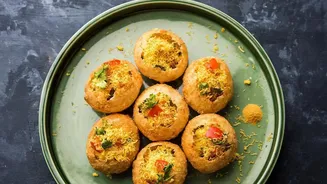
While less known globally, Indore has earned a reputation within India as a street food paradise, especially among food-obsessed youth. The city's clean streets and organised food hubs like Chappan Dukan (56 Shops) and the Sarafa Bazaar night market make it an accessible and exciting destination. Sarafa Bazaar, a jewellery market by day, transforms into a bustling food street at night, offering a unique experience. The youth are attracted to Indore's distinctive snacks, which have roots in Rajasthani, Gujarati, and Maharashtrian cuisines. Favourites include poha-jalebi, a breakfast combination of savoury flattened rice and sweet fried swirls, and khopra patties, potato balls stuffed with coconut. The city’s dedication to its food culture makes it a must-visit for young explorers looking for something off the beaten path.
Lucknow: The Royal Taste of Awadh
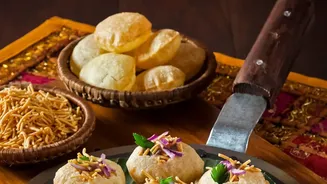
Lucknow, the city of Nawabs, offers a regal street food experience steeped in Awadhi culinary traditions. It’s a prime destination for young people eager to taste some of India’s most refined non-vegetarian and vegetarian delicacies. The city is legendary for its kebabs, particularly the Tunday kebab, so soft it dissolves in your mouth. Young food lovers travel to the old city's Chowk area to savour authentic mutton biryani and nihari, a slow-cooked meat stew. For vegetarians, the Tokri Chaat (basket chaat) at Hazratganj is a textural and flavourful marvel. This connection to a royal, slow-cooked culinary past offers a stark contrast to modern fast food, providing an experience that feels both luxurious and deeply authentic.