





1. Carrots: The Sweet & Versatile Staple
Carrots are a classic for a reason. Their natural sweetness intensifies when cooked, making them a perfect gateway vegetable for picky eaters and a reliable staple for seasoned cooks. Beyond their sweet, mild flavor, carrots are incredibly easy to prepare.
Simply scrubbed, chopped, and tossed with a bit of olive oil and salt, they can be roasted until tender and caramelized. They can also be grated raw into salads, steamed for a quick side, or blended into soups. Nutritionally, carrots are powerhouses, most famous for their high concentration of beta-carotene, which the body converts into vitamin A. This vitamin is crucial for good vision, a healthy immune system, and skin health. They also provide a good amount of fiber, which aids digestion and helps you feel full longer.
2. Sweet Potatoes: The Creamy Comfort Food
With a name that says it all, sweet potatoes offer a naturally sweet and creamy texture that feels indulgent. They are one of the easiest vegetables to cook; a whole sweet potato can be baked until its flesh is soft and fluffy, requiring minimal effort. For a quicker method, they can be cubed and roasted, often caramelizing at the edges for a delightful contrast in texture. There's no need to even peel them, as the skin is full of nutrients. Sweet potatoes are an excellent source of dietary fiber, complex carbohydrates for sustained energy, and an abundance of vitamin A. Their high fiber content helps in managing blood sugar levels and promoting gut health. Whether mashed, baked, or turned into fries, they provide a rich and satisfying component to any balanced meal.
3. Beetroot: The Earthy & Vibrant Jewel
Don't let the vibrant colour intimidate you; beetroot is surprisingly simple to handle and adds an earthy sweetness to meals. Roasting is one of the best ways to prepare it, as the heat concentrates its sugars and mellows its earthy notes into something rich and complex. Simply wrap them in foil and bake until tender. Once cooked, the skin slips off easily. Beetroots are nutritional giants. They are packed with essential nutrients like folate (vitamin B9), manganese, potassium, and iron. They are also a unique source of betalains, powerful antioxidants that give beets their colour and have anti-inflammatory properties. The natural nitrates in beetroot can also help improve blood flow and lower blood pressure.
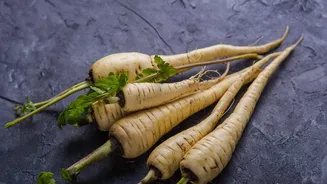
4. Parsnips: The Nutty & Sweet Cousin
Often mistaken for a pale carrot, the parsnip boasts its own unique flavour profile that is nutty, earthy, and distinctly sweet, especially after a frost. This sweetness makes them a fantastic addition for adding richness. Parsnips are incredibly versatile and easy to cook. Roasting is a popular method that brings out their candy-like sweetness and creates a beautifully caramelized exterior. They can also be boiled and mashed, often combined with potatoes, or added to stews and soups to lend a creamy texture and deep flavour. Nutritionally, parsnips are a great source of potassium, fiber, and vitamin C. Their high fiber content supports digestive health, making them a hearty and healthy choice.
5. Turnips: The Peppery & Underrated Root
Turnips are an often-overlooked root vegetable that deserve a place on your plate. While they can have a sharp, peppery bite when raw, cooking transforms them, mellowing their flavour into something mild, sweet, and slightly nutty. Smaller turnips are generally more tender and sweeter. They are very easy to prepare; they can be roasted, boiled and mashed, or diced and added to stews and soups where they absorb the surrounding flavours while adding their own subtle depth. Turnips are a low-calorie vegetable yet a good source of vitamin C and fiber. They are a fantastic low-carbohydrate alternative to potatoes, providing a satisfying texture and flavour without the heaviness.