




Putting the Numbers into Perspective
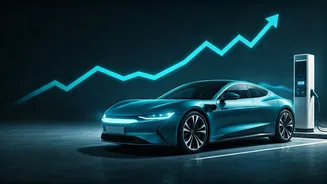
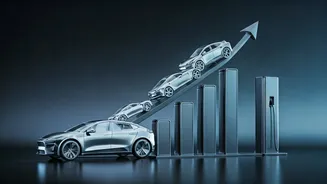
The headline figure is impressive: electric passenger vehicle registrations in India soared by 89.3% to 82,737 units in the April-to-June 2026 quarter, compared to 43,710 in the same period last year. This data, sourced from the official Vahan portal,
confirms that the shift to electric is not just a trend but a rapidly accelerating reality. The momentum was consistent, with monthly registrations growing steadily from nearly 25,000 in April to over 30,000 by the end of June. Total EV registrations across all segments, including two- and three-wheelers, reached a record 8.1 lakh units for the quarter, showcasing a broad-based adoption of electric mobility across the nation.
Two-Wheelers Pave the Way
The backbone of India's EV boom remains the two-wheeler segment, which accounts for the lion's share of sales. For the first time, electric two-wheeler sales crossed the half-million mark in a single quarter, hitting 5.1 lakh units in Q1 FY27. In June alone, registrations climbed to 1.93 lakh units. This segment's growth is powered by a mix of factors including lower running costs, rising petrol prices, and a wider array of product choices. The competitive landscape is fierce, with established players like TVS Motor and Bajaj Auto leading the monthly sales charts. TVS held the top spot in June with nearly 47,000 registrations, while Bajaj Auto followed closely. Ather Energy also maintained a strong position, while legacy brands like Hero MotoCorp are rapidly gaining market share. The segment's penetration has now crossed the crucial 10% mark of the total two-wheeler market, indicating a fundamental shift in consumer preference.
The Passenger Car Market Heats Up
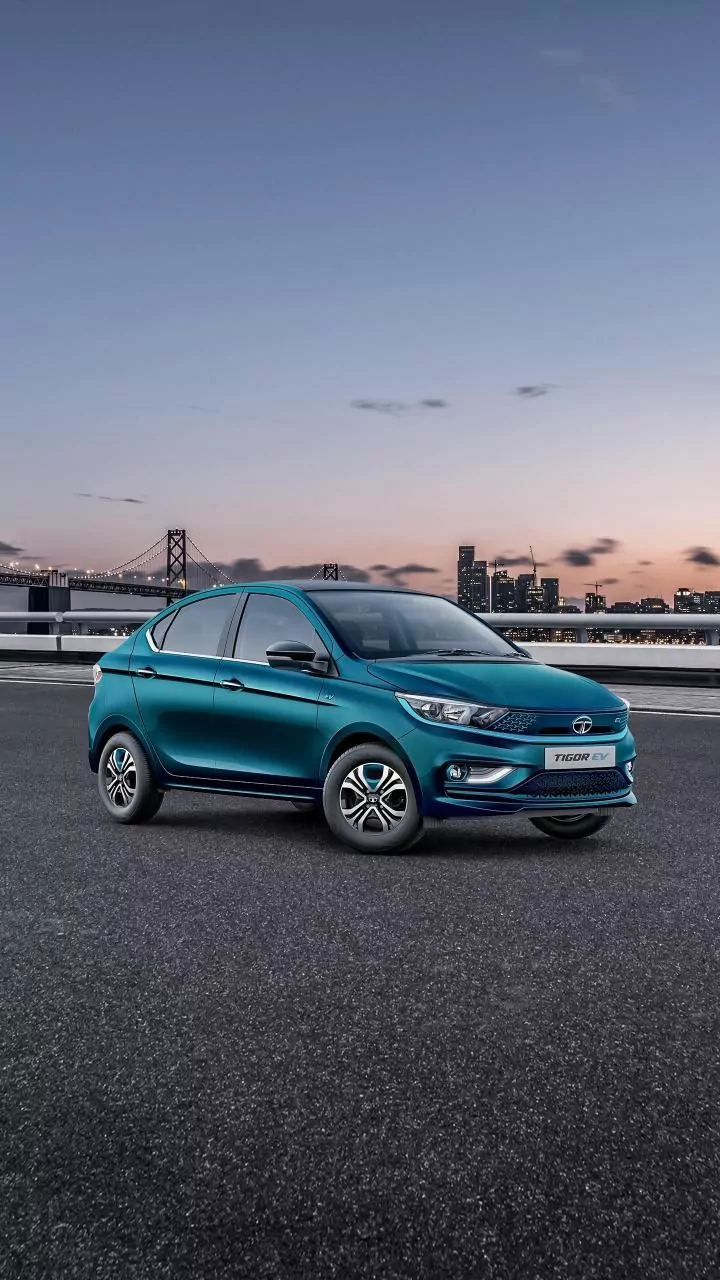
While two-wheelers provide the volume, the electric passenger vehicle (PV) market is where brand battles are intensifying. Tata Motors continues to dominate, more than doubling its registrations in Q1 to 32,283 units. This gives it a commanding market share of around 39%. However, the competition is catching up. Mahindra & Mahindra has firmly established itself in the number two spot, with registrations nearly doubling to over 20,000 units for the quarter. The top three, which also includes JSW MG Motor, accounted for over 83% of all electric cars sold. New players are also making their presence felt. Maruti Suzuki, a recent entrant into the EV space with its e-Vitara, is showing strong month-on-month growth, while Vietnamese automaker VinFast is also making inroads.
What's Fuelling the Surge?
This impressive growth isn't happening in a vacuum. A key driver is the improving total cost of ownership. With fuel prices remaining elevated, the lower running costs of EVs have become a compelling proposition for buyers. Industry executives note that this has helped move the market from a "push" model, reliant on incentives, to a "pull" model driven by genuine consumer demand. Furthermore, the variety of available models has expanded significantly. Automakers are expected to launch over a dozen new models by the next financial year, many in the more accessible sub-₹15 lakh segment. This, combined with advancements in battery technology that offer better range and reliability, is boosting buyer confidence and making the switch from internal combustion engines to electric an increasingly practical choice for the mainstream Indian consumer.